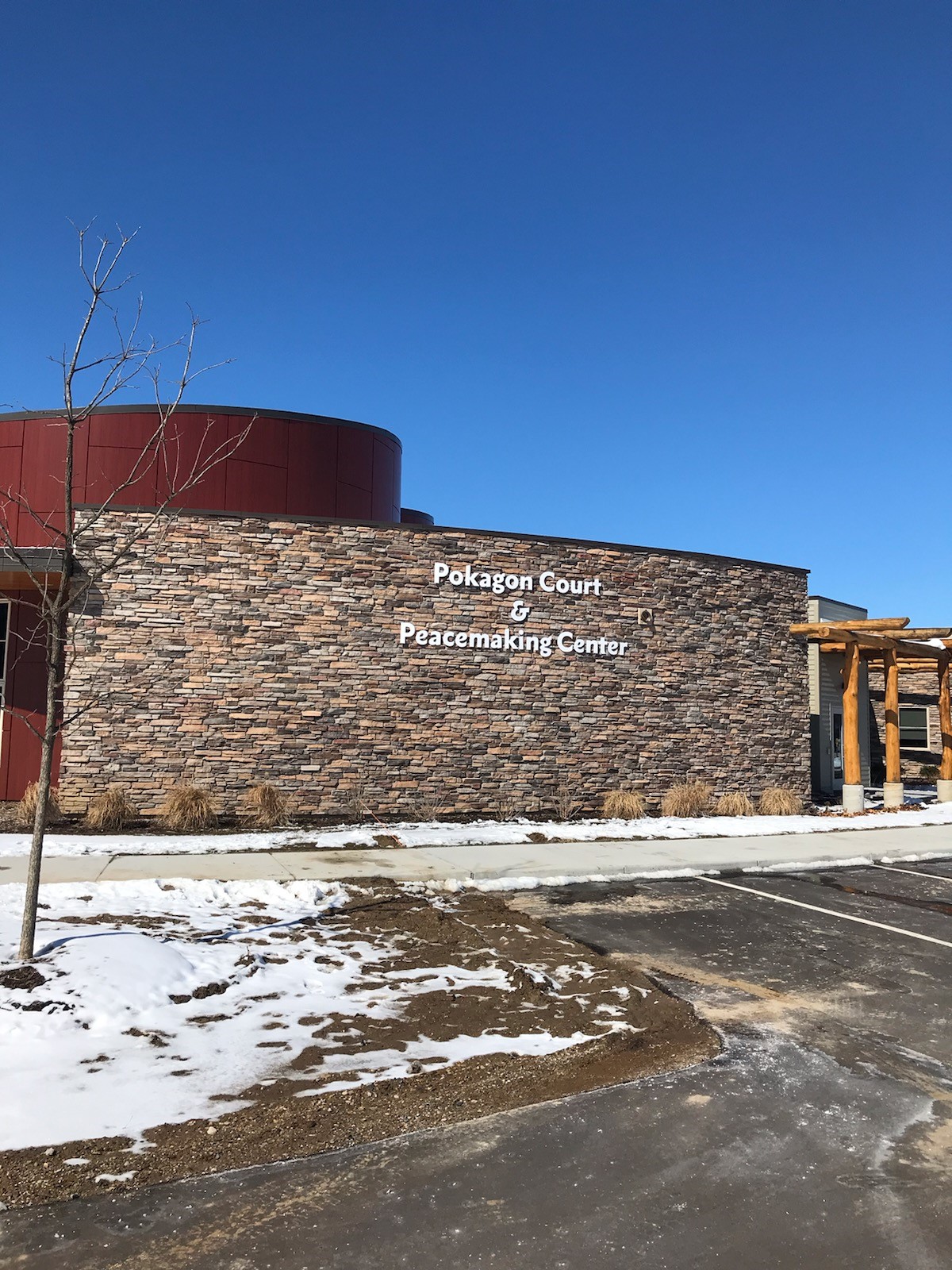
The Pokagon Band of Potawatomi is a federally recognized Native American tribe with a profound and enduring legacy in the Great Lakes region. Their story is one of resilience, cultural preservation, and remarkable economic self-sufficiency, deeply intertwined with the lands now known as southwestern Michigan and northern Indiana. Understanding the Pokagon Band offers a vital perspective on indigenous history, sovereignty, and the vibrant contributions of Native American communities today.
This comprehensive article aims to explore various facets of the Pokagon Band of Potawatomi Reservation, from its historical roots and the challenges overcome to its thriving modern-day enterprises and commitment to community well-being. We will delve into their rich cultural traditions, the structure of their tribal government, and the significant economic impact they have on the surrounding regions.
A Deep-Rooted History: From Ancient Lands to Modern Sovereignty
The Potawatomi people, whose name translates to ‘Keepers of the Fire,’ have inhabited the Great Lakes area for centuries, long before European contact. Their ancestral lands spanned vast territories across what is now Michigan, Indiana, Illinois, Wisconsin, and Ohio. The Pokagon Band represents a significant lineage within the larger Potawatomi Nation, distinguishing itself through a unique history of adaptation and strategic diplomacy.
Unlike many other tribes forcibly removed to the west during the 19th century, the Pokagon Band maintained a continuous presence in their traditional homelands. This remarkable feat was largely due to the leadership of Chief Leopold Pokagon, who, through astute negotiation and a commitment to Catholicism, secured land rights for his people within Michigan, allowing them to remain on their ancestral grounds.
The 1833 Treaty of Chicago, while leading to the removal of many Potawatomi bands, included specific provisions that allowed the Pokagon Band to retain lands in Michigan. This pivotal moment cemented their unique status and laid the groundwork for their eventual federal reaffirmation. Their ability to adapt and negotiate, rather than relocate, is a testament to their strength and determination.
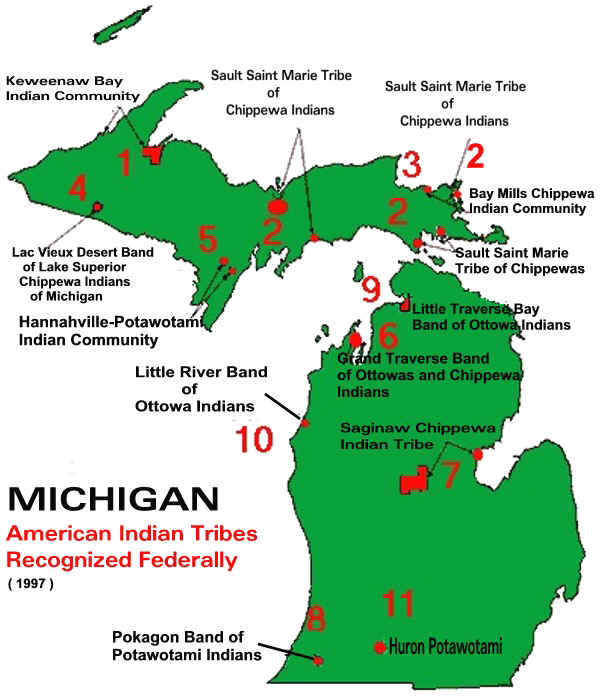
For generations, the Pokagon people endured periods of hardship, navigating state and federal policies that often undermined their sovereignty and cultural practices. Despite these challenges, they held steadfast to their identity, language, and traditions, passing them down through oral histories and community gatherings.
Reaffirmation of Federal Recognition: A Milestone Achieved
After decades of advocating for their rights and demonstrating their continuous existence as a distinct political community, the Pokagon Band of Potawatomi received federal reaffirmation in 1994. This monumental achievement restored their inherent sovereign status, empowering them to govern themselves, manage their lands, and pursue economic development for the benefit of their members.
Federal recognition brought with it access to federal programs and, crucially, the ability to establish a land base held in trust by the U.S. government, forming their modern reservation lands. This was not merely a symbolic act; it provided the legal and political framework necessary for the tribe’s resurgence.
Vibrant Culture and Language Revitalization
At the heart of the Pokagon Band is a vibrant culture, deeply rooted in Potawatomi traditions. The tribe is actively engaged in preserving and promoting its language, Neshnabemwen (Potawatomi language), through various programs. Language classes, cultural immersion initiatives, and educational resources are vital in ensuring this critical aspect of their heritage continues for future generations.
Traditional arts, such as basket weaving, beadwork, storytelling, and drumming, are celebrated and taught within the community. Annual powwows and cultural events serve as crucial gatherings, bringing members together to share traditions, celebrate their heritage, and educate the wider public about Potawatomi culture.
The Pokagon Band places a strong emphasis on community and intergenerational learning. Elders play a crucial role in transmitting knowledge, values, and customs, ensuring that the unique identity of the Pokagon people remains strong and resilient.
Economic Sovereignty: The Four Winds Casinos and Beyond

A cornerstone of the Pokagon Band’s economic self-sufficiency is the highly successful Four Winds Casinos enterprise. Launched in 2007 with its flagship location in New Buffalo, Michigan, Four Winds has grown to include multiple properties across Michigan and Indiana, becoming a major economic engine for the region.
The revenue generated from Four Winds Casinos is strategically reinvested into tribal programs and services, fulfilling the tribe’s mission to enhance the quality of life for its citizens. This includes funding for education, healthcare, housing, elder care, and cultural preservation efforts.
Beyond gaming, the Pokagon Band has diversified its economic portfolio, investing in various ventures to create sustainable growth and employment opportunities. These enterprises not only benefit tribal members but also contribute significantly to the local and state economies through job creation, partnerships, and tax revenues.
The economic success of the Pokagon Band exemplifies the power of tribal sovereignty in fostering self-determination and building strong, resilient communities. It demonstrates how indigenous nations, when empowered, can create substantial positive impacts far beyond their immediate borders.
Tribal Government and Community Services
The Pokagon Band operates a sophisticated and effective tribal government, dedicated to serving its citizens and managing its resources. The government is structured with a Tribal Council, which is responsible for legislative and policy decisions, guided by a constitution and a commitment to democratic principles.
The tribe provides a comprehensive array of services to its members, addressing critical needs in areas such as healthcare, education, housing, and social welfare. These services are designed to promote holistic well-being and ensure that every tribal citizen has the opportunity to thrive.
Healthcare: The Pokagon Band offers health clinics and wellness programs, focusing on culturally sensitive care that addresses the unique needs of its community members. Access to quality healthcare is a top priority.
Education: From early childhood development programs to scholarships for higher education, the tribe invests heavily in the educational advancement of its youth and adult learners. This commitment fosters future leaders and professionals within the community.
Housing: Initiatives are in place to provide safe, affordable, and culturally appropriate housing options for tribal members, strengthening community stability and quality of life.
Environmental Stewardship: The Pokagon Band is a diligent steward of its traditional lands and natural resources. They actively engage in conservation efforts, protecting water quality, restoring native habitats, and promoting sustainable practices, reflecting their deep respect for Mother Earth.
The Pokagon Band’s Impact on the Wider Community
The influence of the Pokagon Band extends beyond its reservation borders. As a significant employer and economic contributor, the tribe fosters strong relationships with surrounding municipalities, businesses, and organizations. They are active partners in regional development and community initiatives.
Through philanthropic endeavors and collaborative projects, the Pokagon Band contributes to the betterment of the broader communities in southwestern Michigan and northern Indiana. This commitment to partnership underscores their role as responsible and engaged neighbors.
Visiting the Pokagon Band’s Territory and Attractions
While the reservation lands themselves are not generally open for public tourism in the same way a national park might be, visitors can experience aspects of the Pokagon Band’s economic ventures, particularly the Four Winds Casinos. Locations in New Buffalo, Hartford, Dowagiac, and South Bend offer entertainment, dining, and hospitality.
When visiting areas near tribal lands or engaging with tribal enterprises, it is important to do so with respect for the Pokagon Band’s sovereignty, culture, and traditions. Learning about their history and contributions enhances any experience in the region.
Conclusion: A Future Built on Strength and Heritage
The Pokagon Band of Potawatomi Reservation stands as a powerful testament to the enduring spirit of indigenous peoples. Their journey, marked by perseverance, strategic leadership, and a deep commitment to cultural identity, has culminated in a thriving, self-sufficient nation.
From ancient traditions to modern economic success, the Pokagon Band continues to build a future that honors its past, empowers its present, and secures prosperity for generations to come. Their story is an inspiring example of sovereignty in action, contributing significantly to the cultural and economic tapestry of the Great Lakes region.
Understanding and appreciating the Pokagon Band of Potawatomi is essential for anyone seeking to grasp the full complexity and richness of American history and the vibrant presence of Native American nations today. Their legacy is not just about survival; it is about thriving, leading, and continuing to be the ‘Keepers of the Fire’ for their people and their lands.


