Nestled high in the Sangre de Cristo Mountains of northern New Mexico, the Picuris Pueblo Reservation stands as a testament to enduring culture and profound history. Often overshadowed by its larger Pueblo neighbors, Picuris offers a unique and deeply enriching experience for those seeking to understand the ancestral roots and living traditions of the Tiwa people.
The Picuris Pueblo, pronounced Pee-koo-REES, is one of the smallest and most isolated of New Mexico’s nineteen Pueblos. Its remote location has played a crucial role in preserving its distinct cultural identity and language over centuries, allowing its people to maintain a deep connection to their ancestral lands and way of life.
A Glimpse into Ancient History and Resilient Culture
The history of Picuris Pueblo stretches back over a thousand years, with archaeological evidence suggesting continuous habitation since at least 1250 AD. The ancestors of the Picuris people, part of the larger Ancestral Puebloan tradition, established sophisticated communities, developing advanced agricultural techniques and intricate social structures long before European contact.
Originally known as ‘Pikuria’ or ‘Pikuris’ by early Spanish explorers, the Pueblo was a thriving center of trade and culture. Its strategic location in the mountains facilitated connections with Plains tribes to the east and other Pueblo communities to the west and south, influencing its unique cultural blend.
The arrival of the Spanish in the 16th century brought profound changes and challenges. Like many Pueblos, Picuris endured periods of Spanish colonial rule, missionary efforts, and forced assimilation. However, the Picuris people demonstrated remarkable resilience, often participating in revolts, most notably the Pueblo Revolt of 1680, to reclaim their sovereignty and cultural practices.
Today, the Picuris people continue to speak a dialect of the Tiwa language, a Tanoan language family. While English is widely spoken, the preservation of the Tiwa language remains a vital component of their cultural identity, passed down through generations.
The Land and Its People: Geography and Community
The Picuris Pueblo Reservation is situated approximately 20 miles southeast of Taos, New Mexico, amid breathtaking mountain scenery. The mountainous terrain, rich in natural resources, has historically provided sustenance and protection, shaping the community’s intimate relationship with the land.
The Pueblo operates as a sovereign nation, governed by a tribal council and governor. This self-governance allows the community to make decisions that best serve its people, protecting their customs, resources, and future while navigating the complexities of modern society.
Community life at Picuris is deeply rooted in tradition, family, and shared responsibility. Ceremonies and social gatherings reinforce communal bonds, ensuring the continuity of their unique heritage. Visitors often sense the strong spirit of community that permeates daily life.
Cultural Heritage: Traditions That Endure
Picuris Pueblo is renowned for its distinctive micaceous pottery. This unique art form utilizes local clay infused with mica, giving the finished pottery a beautiful, shimmering quality and making it highly durable for cooking. These traditional pots, ollas, and bowls are not just decorative but are still used for everyday cooking and ceremonial purposes.
Beyond pottery, the Picuris people maintain a rich tradition of other arts and crafts, including weaving, jewelry making, and drum making. These crafts are not merely artistic expressions but serve as vital links to their ancestors and cultural stories, often incorporating symbols and designs passed down through generations.
Traditional dances and ceremonies are integral to Picuris culture, often performed during feast days and other significant occasions. These vibrant expressions, accompanied by drumming and chanting, tell stories of their history, spiritual beliefs, and connection to the natural world. They are sacred events, and visitors are reminded to observe with respect and follow all guidelines.

Visiting Picuris Pueblo: An Enriching Experience
Picuris Pueblo warmly welcomes visitors who come with an open mind and a respectful attitude. It’s an opportunity to learn directly from a living culture. Before visiting, it is always advisable to check their official website or call ahead for current hours of operation and any specific visitor guidelines or restrictions.
Upon arrival, visitors should proceed to the Picuris Pueblo Museum and Cultural Center. This is an excellent starting point, offering exhibits that delve into the Pueblo’s history, archaeological findings, traditional tools, and the evolution of their unique micaceous pottery. The museum also features a gift shop where authentic Picuris arts and crafts can be purchased directly from the artists.
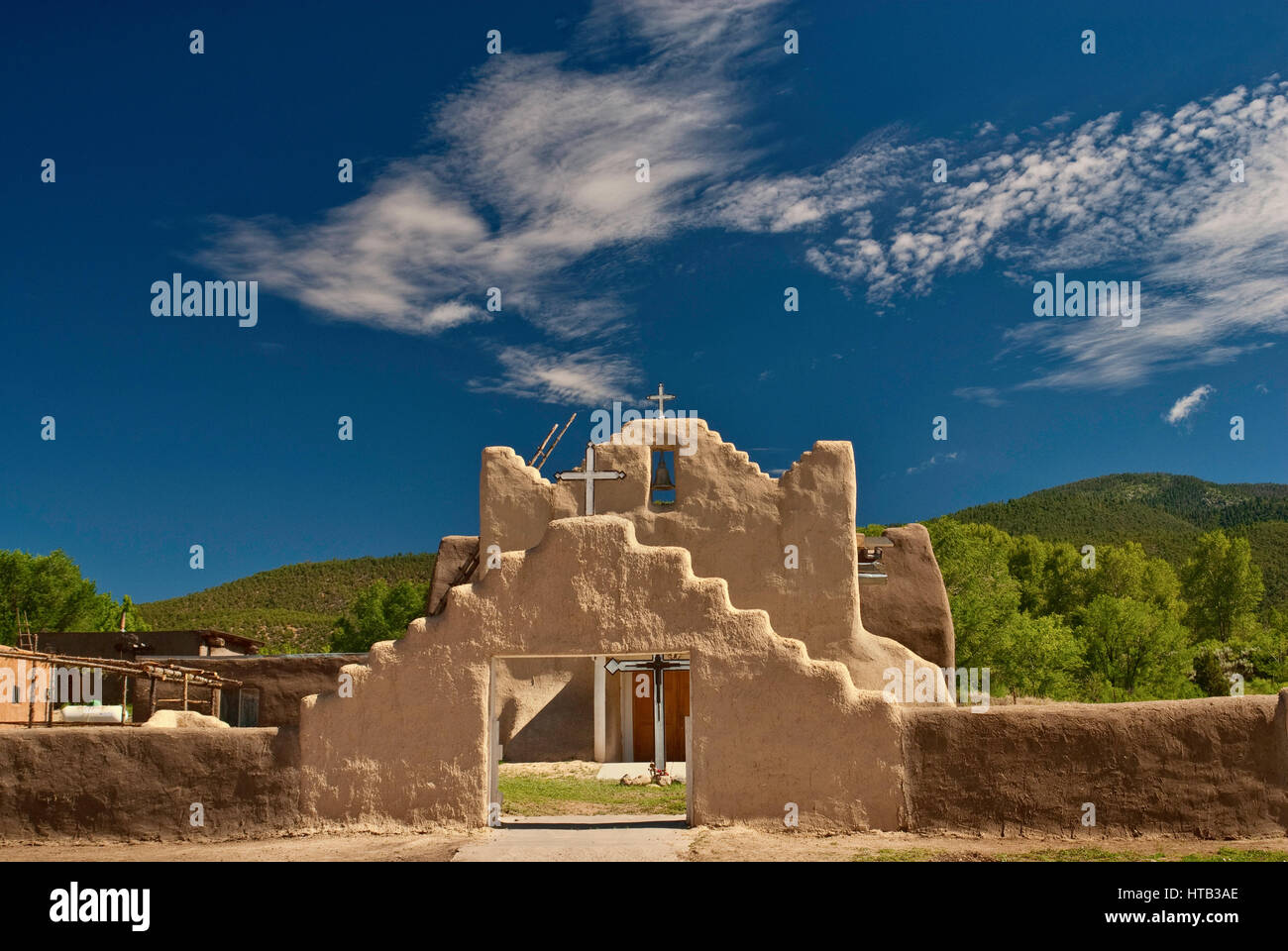
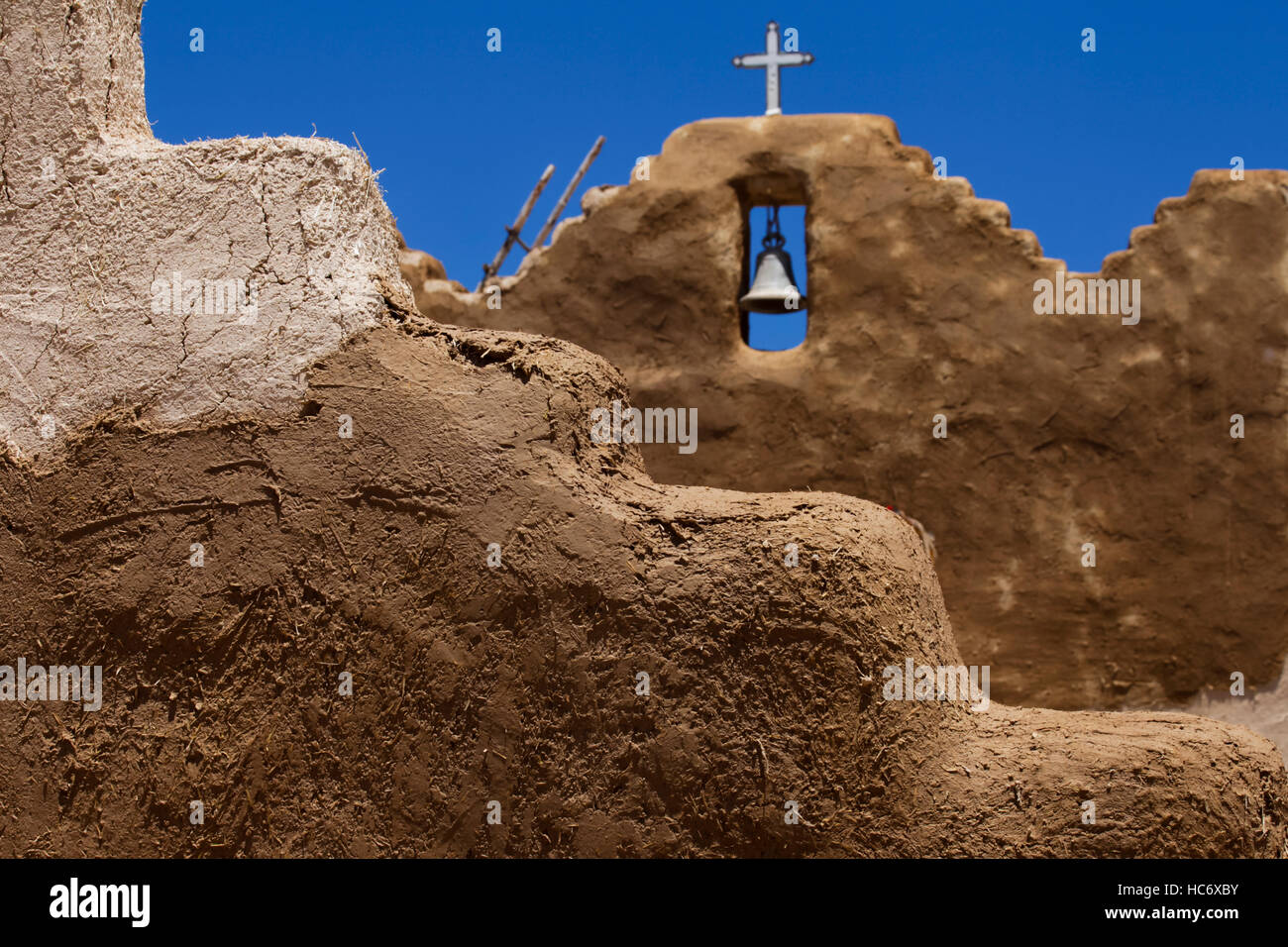
A significant historical landmark within the Pueblo is the San Lorenzo de Picuris Church. While the current structure dates to the 18th century, it stands on the site of earlier mission churches and represents centuries of both spiritual devotion and the complex interactions between the Pueblo people and Spanish colonialists.
Exploring the Pueblo, visitors can also see ancient village ruins and historical trails, which offer a tangible connection to the past. Always be mindful of posted signs, respect private residences, and never trespass on restricted areas. Photography is often restricted in certain areas and during ceremonies; always ask for permission.
Economic Development and Sustainability
In recent years, Picuris Pueblo has actively pursued economic development initiatives aimed at creating self-sufficiency and preserving their way of life. Tourism plays a crucial role, with the museum, gift shop, and guided tours contributing to the local economy.
The Pueblo also manages resources like the Picuris Pueblo Fish Hatchery, which supports local ecology and provides sustainable food sources. Efforts are ongoing to balance economic growth with cultural preservation and environmental stewardship, ensuring a sustainable future for the community.
Annual Events and Celebrations
The most significant annual event at Picuris Pueblo is the San Lorenzo Feast Day, celebrated annually on August 10th. This vibrant day honors the Pueblo’s patron saint and is marked by traditional dances, ceremonial activities, and a communal feast. It’s a powerful display of cultural pride and spiritual devotion, drawing visitors from across the globe.
Other seasonal events and gatherings may occur throughout the year, often tied to agricultural cycles or traditional observances. These events provide further opportunities to witness the living culture of Picuris, but visitors are always encouraged to inquire about public access and appropriate etiquette beforehand.
Preserving the Future: Challenges and Triumphs
Like many indigenous communities, Picuris Pueblo faces modern challenges, including economic development, youth engagement, and the ongoing effort to preserve their language and traditions in an increasingly globalized world. However, the resilience and determination of the Picuris people continue to triumph.
Through educational programs, cultural initiatives, and strong community leadership, Picuris Pueblo is actively working to ensure that its rich heritage is passed down to future generations. Their commitment to sovereignty, cultural integrity, and sustainable living serves as an inspiration.
Conclusion: A Legacy of Resilience and Culture
The Picuris Pueblo Reservation is more than just a historical site; it is a vibrant, living community with a profound story to tell. Its ancient traditions, unique micaceous pottery, and the unwavering spirit of its people offer a powerful glimpse into the heart of New Mexico’s indigenous heritage.
Visiting Picuris Pueblo is an opportunity to step back in time, learn about a resilient culture, and witness the ongoing legacy of one of North America’s oldest continuously inhabited communities. It’s an experience that leaves a lasting impression, fostering a deeper understanding and appreciation for the rich tapestry of human history and cultural diversity.


