The Peoria Tribe of Indians of Oklahoma, a federally recognized tribe, boasts a history marked by resilience, adaptation, and a deep commitment to preserving their cultural heritage. From their ancestral homelands in the Great Lakes region to their present-day headquarters in Oklahoma, the Peoria people have navigated significant historical changes while maintaining their unique identity.
This comprehensive exploration delves into the rich tapestry of the Peoria Tribe, examining their historical origins, forced removal, cultural traditions, contemporary governance, and economic development initiatives. We will also address frequently asked questions to provide a well-rounded understanding of this vibrant and significant Native American tribe.
Historical Origins and Early Encounters
The Peoria Tribe originally belonged to the Illinois Confederation, a group of Algonquian-speaking tribes inhabiting the Great Lakes region. Their ancestral lands encompassed areas of present-day Illinois, Michigan, Missouri, and Iowa. The name ‘Peoria’ is derived from their own word, ‘Pee-oo-are-ah,’ meaning ‘he comes carrying a pack on his back.’
Life in the Great Lakes Region
Prior to European contact, the Peoria people thrived on a combination of agriculture, hunting, and fishing. They cultivated crops such as corn, beans, and squash, and hunted deer, buffalo, and other game. Their social structure was based on clans, with each clan having its own distinct responsibilities and traditions. The Peoria were also skilled artisans, crafting intricate pottery, baskets, and clothing.

Encounters with Europeans
The arrival of European explorers and traders in the 17th century marked a significant turning point in Peoria history. Initial interactions were characterized by trade, but increasing European settlement led to conflict over land and resources. The Peoria, along with other tribes of the Illinois Confederation, faced pressure from French, British, and later, American expansion.
Forced Removal and Displacement
The 18th and 19th centuries were a period of immense hardship for the Peoria Tribe. Driven by westward expansion and government policies aimed at removing Native Americans from their ancestral lands, the Peoria endured a series of forced removals.
Treaties and Land Cessions
The Peoria Tribe entered into several treaties with the U.S. government, ceding vast tracts of land in exchange for promises of protection and compensation. However, these treaties were often violated, and the Peoria were continually pushed further west. The Treaty of Greenville in 1795 and subsequent treaties in the early 19th century resulted in significant land loss for the tribe.
The Journey to Oklahoma
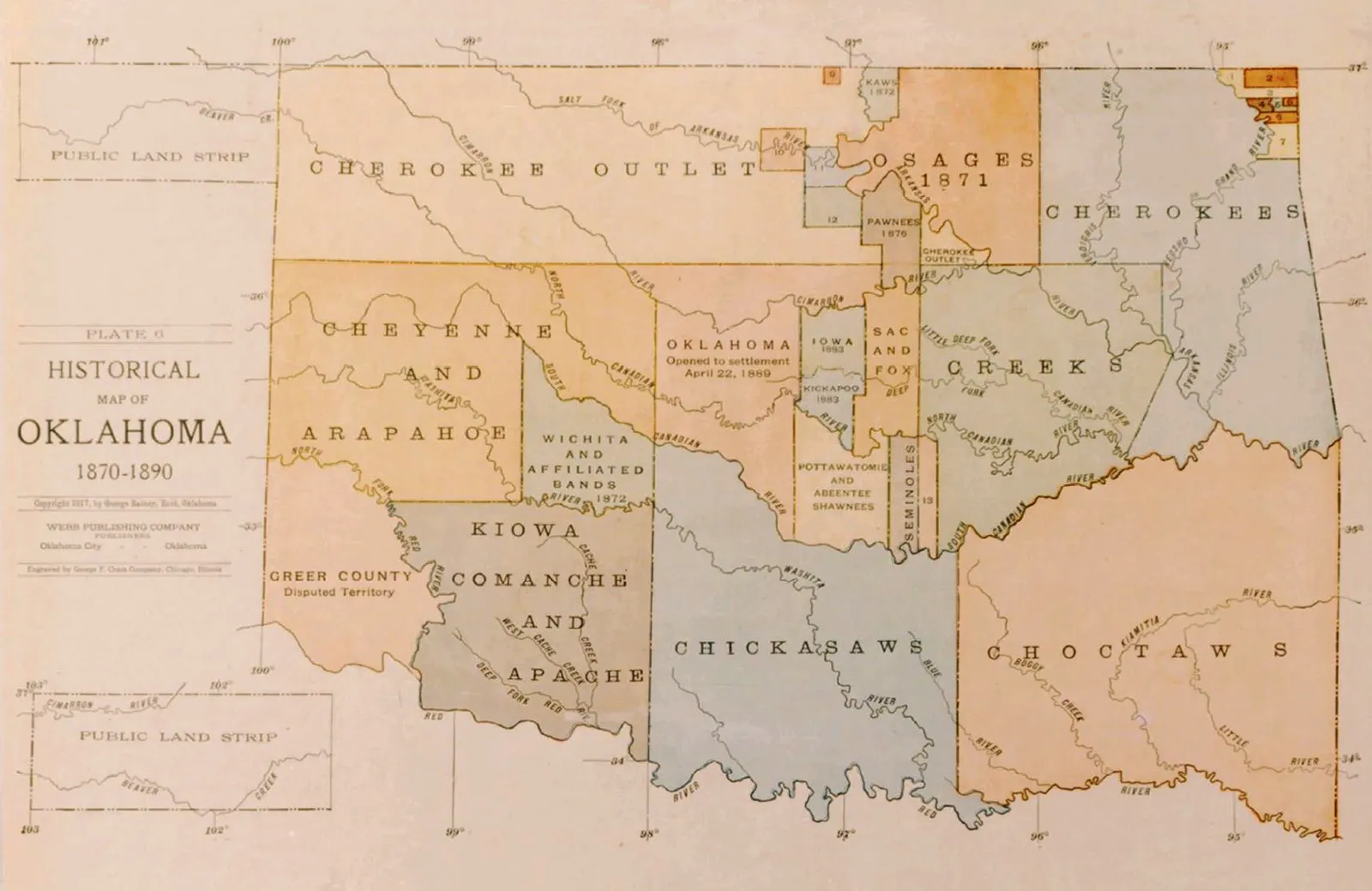
The final forced removal of the Peoria occurred in the 1830s, when they were relocated to Indian Territory, present-day Oklahoma. This journey, known as the Trail of Tears, was fraught with hardship and suffering. Many Peoria people died from disease, starvation, and exposure during the arduous trek.
Cultural Preservation and Revival
Despite the immense challenges they faced, the Peoria people have remained steadfast in their commitment to preserving their cultural heritage. Today, the Peoria Tribe of Indians of Oklahoma actively promotes cultural revitalization through language programs, traditional arts, and cultural events.
Language Revitalization Efforts
The Peoria language, an Algonquian language, was nearly lost due to assimilation policies and the disruption of traditional ways of life. However, the tribe has launched ambitious language revitalization programs aimed at teaching the language to younger generations. These programs include language classes, immersion camps, and the development of language learning resources.
Traditional Arts and Crafts
The Peoria Tribe is also dedicated to preserving and promoting traditional arts and crafts. Tribal members continue to practice traditional skills such as pottery making, basket weaving, beadwork, and the creation of traditional clothing. These art forms are not only a source of cultural pride but also provide economic opportunities for tribal members.
Cultural Events and Gatherings
The Peoria Tribe hosts a variety of cultural events and gatherings throughout the year, providing opportunities for tribal members to connect with their heritage and share their culture with others. These events include powwows, traditional ceremonies, and cultural festivals.
Contemporary Governance and Economic Development
Today, the Peoria Tribe of Indians of Oklahoma is a self-governing nation with a constitution and elected officials. The tribe is actively involved in economic development initiatives aimed at improving the quality of life for its members.
Tribal Government Structure
The Peoria Tribe’s government consists of a Chief, Second Chief, and Tribal Council. These elected officials are responsible for overseeing the tribe’s affairs, managing tribal resources, and representing the tribe in dealings with the federal government and other entities.
Economic Enterprises
The Peoria Tribe operates a variety of economic enterprises, including casinos, hotels, and other businesses. These enterprises generate revenue that supports tribal programs and services, such as education, healthcare, and housing. The tribe is committed to diversifying its economy and creating sustainable economic opportunities for its members.
Community Development Initiatives
The Peoria Tribe is actively involved in community development initiatives aimed at improving the health, education, and well-being of its members. These initiatives include programs to promote healthy lifestyles, provide educational opportunities, and improve access to healthcare.
Frequently Asked Questions (People Also Ask)
The Peoria Tribe of Indians of Oklahoma is headquartered in Miami, Oklahoma. Their tribal jurisdictional area encompasses parts of Ottawa County in northeastern Oklahoma.
How many members are enrolled in the Peoria Tribe?
As of 2023, the Peoria Tribe of Indians of Oklahoma has approximately 4,500 enrolled members.
What is the Peoria Tribe’s relationship with the federal government?
The Peoria Tribe is a federally recognized tribe, which means that the U.S. government recognizes the tribe’s sovereignty and has a government-to-government relationship with it. This relationship is based on treaties, laws, and court decisions.
What are some of the challenges facing the Peoria Tribe today?
Like many Native American tribes, the Peoria Tribe faces challenges such as poverty, unemployment, and limited access to healthcare and education. The tribe is working to address these challenges through economic development initiatives, community development programs, and advocacy efforts.
How can I learn more about the Peoria Tribe?
You can learn more about the Peoria Tribe by visiting their website, attending tribal events, and reading books and articles about the tribe’s history and culture. You can also contact the tribe directly for more information.
The Peoria Tribe’s Enduring Legacy
The Peoria Tribe of Indians of Oklahoma stands as a testament to the resilience and adaptability of Native American people. Despite facing immense challenges throughout their history, the Peoria have persevered and maintained their cultural identity. Their story is one of courage, determination, and a deep commitment to preserving their heritage for future generations.
The tribe’s ongoing efforts in language revitalization, cultural preservation, and economic development demonstrate their commitment to building a strong and vibrant future for their members. The Peoria Tribe serves as an inspiration to other Native American tribes and to all who value cultural diversity and resilience.
In conclusion, the Peoria Tribe of Indians of Oklahoma is more than just a historical entity; it is a living, breathing community that continues to shape the cultural landscape of Oklahoma and beyond. Their story is a vital part of the American narrative, and their contributions deserve recognition and respect.
The Peoria Tribe’s journey reflects broader themes of Native American history, including displacement, cultural loss, and the ongoing struggle for self-determination. Understanding their story provides valuable insights into the complexities of Native American-U.S. relations and the importance of cultural preservation.
By remembering the past, embracing the present, and looking forward to the future, the Peoria Tribe of Indians of Oklahoma exemplifies the strength and resilience of the human spirit. Their story is a powerful reminder of the importance of honoring cultural heritage and working towards a more just and equitable future for all.
- The Peoria Tribe’s history spans centuries, from their origins in the Great Lakes region to their present-day home in Oklahoma.
- Forced removal and displacement had a profound impact on the Peoria people, but they never lost their cultural identity.
- The Peoria Tribe is actively involved in cultural preservation efforts, including language revitalization and the promotion of traditional arts.
- The tribe’s government and economic enterprises are working to improve the quality of life for its members.
- The Peoria Tribe’s story is a testament to the resilience and adaptability of Native American people.
The Peoria Tribe’s commitment to self-governance and economic development serves as a model for other Native American tribes. Their story highlights the importance of tribal sovereignty and the right of Native American nations to determine their own futures.
The Peoria Tribe’s cultural preservation efforts ensure that their traditions and language will continue to thrive for generations to come. Their story underscores the importance of cultural diversity and the need to protect and preserve the heritage of all peoples.
The Peoria Tribe’s journey serves as a reminder of the injustices faced by Native Americans throughout history. Their story calls for continued efforts to promote reconciliation, justice, and healing.
By learning about the Peoria Tribe, we can gain a deeper understanding of Native American history and culture. This knowledge can help us to build stronger relationships with Native American communities and to create a more inclusive and equitable society.
The Peoria Tribe’s story is a powerful testament to the strength and resilience of the human spirit. Their journey inspires us to overcome adversity, to embrace our cultural heritage, and to work towards a better future for all.


