The Pawnee Nation of Oklahoma, a federally recognized tribe, boasts a rich and complex history deeply intertwined with the Great Plains. This article explores the historical background, cultural significance, contemporary governance, and current status of the Pawnee Nation and their reservation lands. Understanding the Pawnee Nation requires acknowledging their resilience and enduring spirit in the face of numerous historical challenges.
Originally residing in the area that is now Nebraska and Kansas, the Pawnee people were semi-nomadic, skillfully balancing agriculture with buffalo hunting. Their traditional lifestyle revolved around earth lodge villages and seasonal migrations, demonstrating a profound connection to the land and its resources. This connection shaped their spiritual beliefs, social structures, and cultural practices.
Historical Background: From the Great Plains to Oklahoma
The Pawnee Nation’s history is marked by significant events that led to their relocation to Oklahoma. Treaties with the U.S. government in the 19th century, coupled with increasing pressure from westward expansion, resulted in the cession of their ancestral lands. These treaties, often made under duress, forced the Pawnee people to move south to what is now Oklahoma.
The forced removal was a traumatic experience, causing immense suffering and disruption to their traditional way of life. Disease, starvation, and conflict further decimated the Pawnee population. Despite these hardships, the Pawnee people persevered, maintaining their cultural identity and adapting to their new environment.
The Pawnee Reservation in Oklahoma: A New Homeland

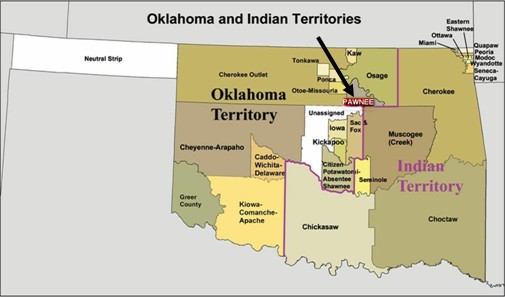
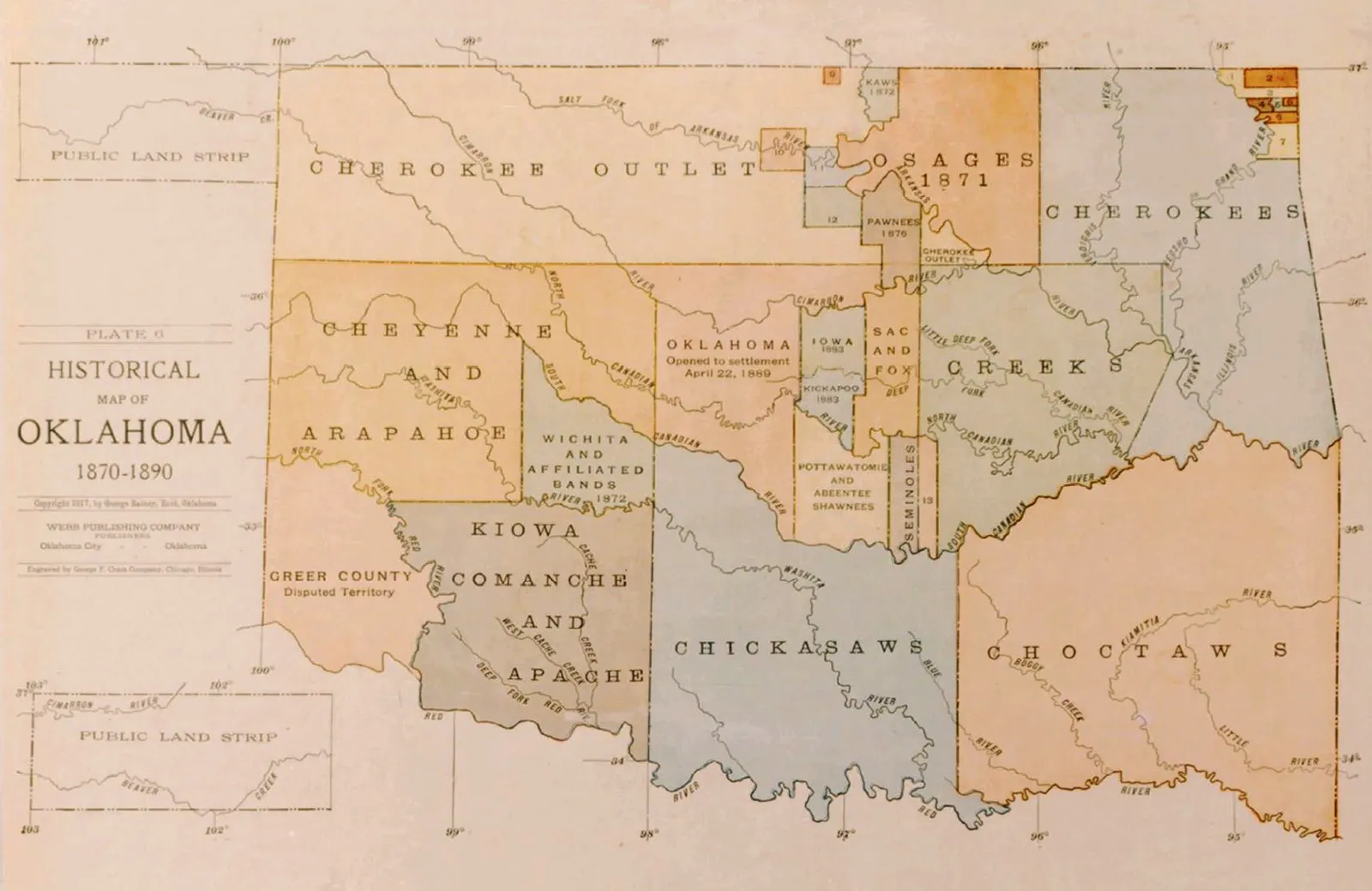
The Pawnee Reservation in Oklahoma, established in the late 19th century, became the new center of Pawnee life. Located in north-central Oklahoma, the reservation provided a land base for the tribe to rebuild their community and preserve their culture. The establishment of the reservation marked a new chapter in the Pawnee Nation’s history, one characterized by adaptation and resilience.
The initial years on the reservation were challenging, with limited resources and ongoing pressure from the U.S. government to assimilate. However, the Pawnee people worked tirelessly to establish farms, schools, and other institutions to support their community. They also maintained their traditional ceremonies and social structures, ensuring the survival of their cultural heritage.
Governance and Tribal Structure
Today, the Pawnee Nation of Oklahoma is governed by an elected tribal council, which is responsible for overseeing tribal affairs, managing resources, and representing the interests of the Pawnee people. The tribal council works to promote economic development, education, healthcare, and cultural preservation within the Pawnee Nation.
The Pawnee Nation operates various tribal programs and enterprises, including a tribal college, a health clinic, and several businesses. These initiatives are designed to improve the quality of life for tribal members and promote self-sufficiency. The tribe also works to protect its natural resources and preserve its cultural heritage for future generations.
Cultural Significance and Traditions
The Pawnee culture is rich in traditions, ceremonies, and artistic expressions. Storytelling, music, and dance play a vital role in Pawnee life, transmitting knowledge, values, and beliefs from one generation to the next. Traditional arts and crafts, such as beadwork, pottery, and weaving, are also important expressions of Pawnee culture.
The Pawnee language, a Caddoan language, is an integral part of their cultural identity. Language revitalization efforts are underway to ensure that the Pawnee language continues to be spoken and passed on to future generations. These efforts include language classes, immersion programs, and the creation of language resources.
Ceremonies such as the Hako ceremony and the Corn Dance are central to Pawnee spiritual life. These ceremonies are opportunities for the community to come together, express gratitude, and renew their connection to the Creator and the natural world. They also serve to reinforce social bonds and promote healing.
Economic Development and Opportunities
The Pawnee Nation is actively engaged in economic development initiatives to create jobs and opportunities for tribal members. These initiatives include gaming, tourism, agriculture, and renewable energy projects. The tribe is committed to sustainable development that benefits both the community and the environment.
The Pawnee Nation operates the Pawnee Nation Casino, which provides employment and revenue for the tribe. The tribe also owns and operates several other businesses, including a convenience store, a gas station, and a farm. These businesses contribute to the economic self-sufficiency of the Pawnee Nation.
Education and Community Programs
Education is a high priority for the Pawnee Nation. The tribe operates a tribal college, the Pawnee Nation College, which offers associate degrees and vocational training programs. The tribe also provides scholarships and other educational support to tribal members pursuing higher education.
The Pawnee Nation offers a wide range of community programs to support the well-being of tribal members. These programs include healthcare services, social services, housing assistance, and cultural programs. The tribe is committed to providing comprehensive services that meet the diverse needs of its members.
Challenges and Future Directions
Like many Native American tribes, the Pawnee Nation faces ongoing challenges, including poverty, unemployment, and health disparities. The tribe is working to address these challenges through targeted programs and initiatives. The Pawnee Nation is also committed to protecting its sovereignty, preserving its culture, and promoting self-determination.
Looking to the future, the Pawnee Nation is focused on strengthening its economy, improving the health and well-being of its members, and preserving its cultural heritage. The tribe is also working to build stronger relationships with other tribes, government agencies, and private organizations.
Visiting the Pawnee Nation
For those interested in learning more about the Pawnee Nation, a visit to their tribal headquarters and museum in Pawnee, Oklahoma, is highly recommended. The Pawnee Nation Museum offers exhibits on the history, culture, and traditions of the Pawnee people. Visitors can also attend tribal events and powwows to experience Pawnee culture firsthand.
When visiting the Pawnee Nation, it is important to be respectful of their culture and traditions. Visitors should dress modestly, avoid taking photographs without permission, and refrain from engaging in disrespectful behavior. By showing respect, visitors can help to foster positive relationships between the Pawnee Nation and the wider community.
The Pawnee Nation Today: A Thriving Community
The Pawnee Nation of Oklahoma is a thriving community that is proud of its rich history and culture. Despite the many challenges they have faced, the Pawnee people have persevered and continue to make significant contributions to Oklahoma and the nation. Their story is one of resilience, adaptation, and cultural survival.
The Pawnee Nation is an active participant in Oklahoma’s Native American community. They collaborate with other tribes on various issues, including economic development, education, and cultural preservation. The tribe is also involved in efforts to promote Native American rights and sovereignty.
The Pawnee Nation of Oklahoma serves as a powerful example of cultural endurance and self-determination. Their journey from the Great Plains to their present-day reservation reflects a deep connection to their heritage and a commitment to shaping a vibrant future for generations to come. Understanding their history and contemporary life offers valuable insights into the broader narrative of Native American experiences in the United States.
Frequently Asked Questions (FAQs)
What is the population of the Pawnee Nation of Oklahoma?
The Pawnee Nation has approximately 3,200 enrolled members.
The Pawnee Nation is located in Pawnee, Oklahoma.
What is the Pawnee language?
The Pawnee language is a Caddoan language.
What are some traditional Pawnee ceremonies?
Some traditional Pawnee ceremonies include the Hako ceremony and the Corn Dance.
How can I learn more about the Pawnee Nation?
You can learn more about the Pawnee Nation by visiting their tribal headquarters and museum in Pawnee, Oklahoma, or by visiting their website.
Conclusion
The Pawnee Nation of Oklahoma stands as a testament to the enduring strength and cultural richness of Native American tribes. Their history, marked by both hardship and resilience, offers valuable lessons about adaptation, perseverance, and the importance of preserving cultural heritage. From their ancestral lands on the Great Plains to their present-day reservation in Oklahoma, the Pawnee people have maintained their unique identity and continue to contribute significantly to their community and the wider world. By understanding and appreciating their story, we gain a deeper understanding of the complex tapestry of American history and the vital role of Native American nations in shaping our collective future.
The Pawnee Nation’s commitment to education, economic development, and cultural preservation ensures a bright future for generations to come. Their story is one of hope, resilience, and the enduring power of cultural identity.


