The Paiute Indian Tribe of Utah stands as a testament to enduring resilience, deep cultural roots, and a profound connection to their ancestral lands. Located primarily in the southwestern and central parts of Utah, the Tribe represents a vibrant community with a rich history that predates European contact by thousands of years. Understanding the Paiute Indian Tribe of Utah Reservation is to understand a story of survival, adaptation, and an unwavering commitment to self-determination.
This comprehensive article aims to shed light on various facets of the Paiute Indian Tribe of Utah, from their ancient origins and the significant impact of colonization to their modern governance, cultural preservation efforts, and economic development initiatives. We will explore the unique structure of their reservation lands and address common questions about this remarkable indigenous nation.
A Glimpse into Ancient Origins and Traditional Life
Before the arrival of European settlers, the Southern Paiute people, from whom the Paiute Indian Tribe of Utah descends, thrived across a vast territory encompassing parts of present-day Utah, Nevada, Arizona, and California. They were semi-nomadic, adapting their lives to the rhythm of the seasons and the availability of resources. Their traditional practices revolved around hunting deer, rabbits, and other game, gathering pinyon nuts, seeds, berries, and cultivating corn, beans, and squash in fertile areas.
Their deep understanding of the delicate desert ecosystem allowed them to sustain themselves for millennia. Life was organized around extended family groups, with strong communal ties and a spiritual connection to the land that informed every aspect of their existence. This intricate balance was irrevocably altered with the advent of foreign incursions.
The Impact of European Contact and Colonization

The 19th century brought significant challenges for the Paiute people. Spanish explorers, Mormon pioneers, and other settlers encroached upon their ancestral lands, disrupting traditional hunting and gathering grounds. Diseases introduced by Europeans, against which the Paiute had no immunity, decimated populations. The demand for resources and land led to conflicts, often referred to as the Paiute Wars, further displacing and weakening the tribes.
Despite these immense pressures, the Paiute demonstrated remarkable adaptability and a fierce determination to maintain their identity. They learned new ways, often working with or alongside settlers, while striving to preserve their cultural practices and language amidst a rapidly changing world.
The Formation of the Paiute Indian Tribe of Utah
The modern Paiute Indian Tribe of Utah is a federally recognized tribe, a status that came after a long and arduous journey. Originally, there were several distinct Paiute bands in Utah. The federal government’s policies of the late 19th and early 20th centuries often led to the fragmentation and dispossession of indigenous peoples.
It wasn’t until the Indian Reorganization Act of 1934 that many tribes began to re-establish their governmental structures. However, the Paiute bands faced further challenges, including a period of termination in the 1950s, which stripped them of their federal recognition and trust lands. This era was devastating, leading to significant economic and social hardships.
Through persistent advocacy and a strong desire for self-determination, the Paiute Indian Tribe of Utah successfully achieved restoration of federal recognition in 1980 with the passage of the Paiute Indian Tribe of Utah Restoration Act. This act reunited five distinct bands under one tribal government:
- Cedar Band of Paiutes (near Cedar City)
- Shivwits Band of Paiutes (near St. George)
- Koosharem Band of Paiutes (near Koosharem)
- Kanosh Band of Paiutes (near Kanosh)
- Indian Peaks Band of Paiutes (near Milford)
This restoration was a monumental achievement, allowing the Tribe to rebuild its governmental infrastructure, reclaim lands, and pursue economic and social development initiatives for its members.
Understanding the Paiute Reservation Lands
Unlike many reservations that consist of a single contiguous landmass, the Paiute Indian Tribe of Utah’s reservation lands are unique. They are comprised of separate parcels scattered across various counties in southwestern and central Utah, corresponding to the traditional territories of the five constituent bands. This fragmented nature presents both challenges and opportunities for land management and tribal services.
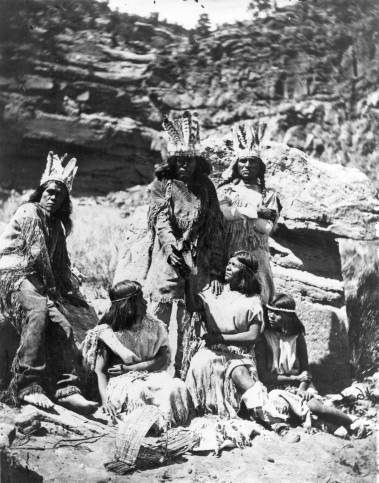
These lands, held in trust by the federal government for the benefit of the Tribe, are not merely real estate; they are the heart of Paiute identity, culture, and spirituality. They include sacred sites, traditional gathering areas, and provide the foundation for tribal housing, administration, and economic ventures. The collective land base, though geographically dispersed, unites the bands under a common vision.
Tribal Government and Sovereignty
The Paiute Indian Tribe of Utah operates under a constitutionally established tribal government, exercising its inherent sovereignty. This self-governance allows the Tribe to make decisions about its internal affairs, manage its resources, and provide services to its members. The Tribal Council, elected by the tribal members, serves as the governing body, overseeing various departments and initiatives.
Tribal sovereignty is a fundamental principle, recognizing the Tribe’s right to govern itself. This means the Tribe has its own laws, judicial system, and the authority to enter into agreements with federal, state, and local governments. This self-determination is crucial for preserving their culture and advancing the well-being of their people.
Cultural Preservation and Language Revitalization
Cultural preservation is a cornerstone of the Paiute Indian Tribe of Utah’s mission. Efforts are continuously made to pass down traditional knowledge, stories, songs, and practices to younger generations. The Southern Paiute language, part of the Numic branch of the Uto-Aztecan language family, is a vital component of their heritage.
Language revitalization programs are active, aiming to increase fluency among tribal members. These initiatives often involve elders teaching youth, creating educational materials, and integrating the language into daily tribal life. Traditional arts and crafts, such as basket weaving, pottery, and beadwork, are also celebrated and taught, connecting contemporary Paiutes to their ancestral skills and aesthetic traditions.
Economic Development and Sustainability
The Paiute Indian Tribe of Utah is actively pursuing economic development to create opportunities and foster self-sufficiency for its members. Tribal enterprises encompass a range of industries, including tourism, gaming, retail, and natural resource management. These ventures not only generate revenue but also provide employment and contribute to the local economies of the surrounding communities.
Sustainable development is a key focus, ensuring that economic growth aligns with environmental stewardship and the long-term well-being of the Tribe and its lands. Partnerships with external organizations and businesses are also explored to diversify their economic base and strengthen their capacity for future growth.
Social Programs and Community Well-being
A comprehensive suite of social programs and services is essential for the health and welfare of tribal members. The Paiute Indian Tribe of Utah provides services in areas such as healthcare, education, housing, elder care, and youth development. These programs are designed to address the specific needs of the community, often integrating traditional values and practices.
The Tribe also plays a critical role in upholding the Indian Child Welfare Act (ICWA), which protects the best interests of Native American children and families by keeping Native children connected to their culture and communities. This commitment reflects the Tribe’s dedication to nurturing its future generations.
Addressing Common Questions about the Paiute Tribe
What language do the Paiute speak? The Paiute Indian Tribe of Utah primarily speaks English, but their ancestral language is Southern Paiute, a Numic language. Significant efforts are underway to revitalize and teach the Southern Paiute language to tribal members.
What are some challenges facing the Paiute Tribe today? Like many indigenous communities, the Paiute Tribe faces challenges including economic disparities, limited access to resources, the ongoing impact of historical trauma, and the need to balance traditional practices with modern life. However, they continue to address these issues through strong leadership and community programs.
What is the population of the Paiute Tribe of Utah? The population of the Paiute Indian Tribe of Utah fluctuates, but the Tribe has several hundred enrolled members across its five bands. This number includes members residing both on and off the reservation lands.
Challenges and a Vision for the Future
The Paiute Indian Tribe of Utah continues to navigate a complex landscape of challenges. These include protecting their water rights, managing their scattered land base effectively, ensuring environmental stewardship, and preserving their cultural identity in an ever-evolving world. The legacy of historical injustices still impacts the community, necessitating ongoing advocacy and healing.
Despite these hurdles, the Tribe looks to the future with optimism and determination. Their vision centers on strengthening tribal sovereignty, fostering economic self-sufficiency, ensuring the health and education of their youth, and maintaining a vibrant cultural heritage for generations to come. Through continued self-governance and community engagement, the Paiute Indian Tribe of Utah remains a beacon of strength and cultural continuity.
Conclusion: A Legacy of Resilience and Self-Determination
The Paiute Indian Tribe of Utah represents a compelling narrative of resilience, cultural richness, and unwavering dedication to their ancestral lands and traditions. From their ancient past to their modern-day endeavors, the Tribe has consistently demonstrated an ability to adapt, persevere, and thrive against immense odds. Their journey from historical displacement to federal restoration and ongoing self-governance is an inspiring testament to the power of indigenous sovereignty.
Exploring the Paiute Indian Tribe of Utah Reservation reveals not just a geographical location, but a dynamic, living culture, a strong governmental body, and a community deeply committed to preserving its heritage while building a prosperous future. They are indeed the guardians of their land, their history, and their unique place in the tapestry of American society.


