
The Oglala Lakota Nation Reservation, widely known as Pine Ridge Reservation, is a place of profound historical significance, enduring cultural heritage, and remarkable resilience. Situated primarily in southwestern South Dakota, it is one of the largest Native American reservations in the United States, both by area and population. This comprehensive guide aims to shed light on the multifaceted aspects of this sovereign nation, from its storied past to its vibrant present and aspirations for the future.
Understanding the Oglala Lakota Nation begins with its identity. The Oglala are one of the seven bands of the Lakota people, a subgroup of the Great Sioux Nation. Their name, ‘Oglala,’ means ‘scattered’ or ‘to scatter one’s own.’ For centuries, they have maintained a deep spiritual and cultural connection to the Black Hills, a sacred land central to their worldview and traditions.
A Glimpse into History: Treaties, Conflicts, and Resilience
The history of the Oglala Lakota is inextricably linked with the expansion of the United States. Prior to European contact, the Lakota people were nomadic hunters, following the buffalo herds across the Great Plains. Their way of life was abruptly altered by westward expansion, leading to a series of treaties and conflicts.
The Treaty of Fort Laramie of 1868 was a pivotal agreement, establishing the Great Sioux Reservation, which encompassed the entire western half of what is now South Dakota, including the sacred Black Hills, and parts of Nebraska and Wyoming. This treaty explicitly guaranteed the Lakota exclusive use of this vast territory.
However, the discovery of gold in the Black Hills in 1874, spearheaded by General George Custer’s expedition, led to a massive influx of prospectors, violating the treaty. This transgression ignited the Black Hills War, culminating in tragic events that forever altered the landscape for the Lakota people.
Perhaps one of the most somber chapters in American history, the Wounded Knee Massacre occurred on December 29, 1890, on the Pine Ridge Reservation. Over 300 unarmed Lakota men, women, and children were killed by the U.S. Army. This event marked the symbolic end of the American Indian Wars and remains a painful reminder of the injustices faced by Native peoples.
The current boundaries of the Pine Ridge Reservation were established by an act of Congress in 1889, significantly reducing the land promised by the 1868 treaty. Despite these historical traumas, the Oglala Lakota people have demonstrated incredible strength and an unwavering commitment to their cultural identity.
Geography and Landscape: The Heart of the Badlands
The Oglala Lakota Nation Reservation spans approximately 2.8 million acres, an area roughly the size of the state of Connecticut. It is situated in the high plains of South Dakota, bordering Nebraska to the south and the dramatic landscapes of the Badlands National Park to the north.
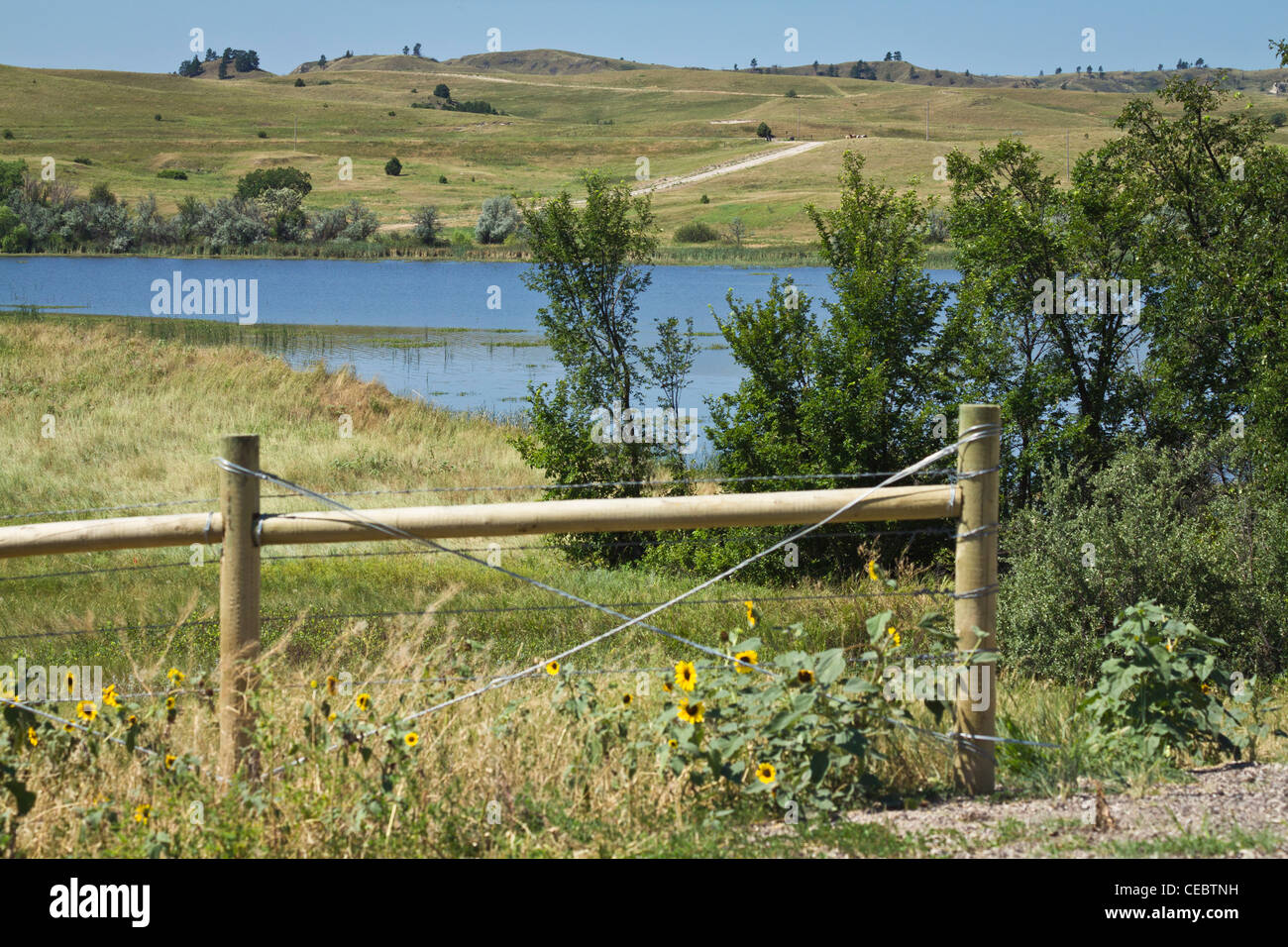
The reservation’s topography is diverse, featuring rolling grasslands, pine-covered buttes, and the unique, eroded formations characteristic of the Badlands. This rugged beauty is not merely scenery; it’s a living landscape interwoven with Lakota spirituality and traditional practices.
Culture and Traditions: Preserving a Sacred Way of Life
The heart of the Oglala Lakota Nation beats with a vibrant culture, rich in spiritual practices, oral traditions, and communal bonds. The Lakota language (Lakȟótiyapi) is actively taught and spoken, serving as a vital link to ancestral knowledge and identity.
Spirituality is central to Lakota life. The concept of Wakan Tanka (Great Mystery) permeates all aspects of existence. Ceremonies such as the Sun Dance (Wiwáŋyaŋg Wačhí), sweat lodge (Inípi), vision quest (Hanbléčheya), and sacred pipe ceremonies (Čhaŋnúŋpa) are powerful expressions of their faith and connection to the spiritual world.
Traditional arts and crafts, including beadwork, quillwork, star quilts, and drumming, are not just aesthetic expressions but also carry deep cultural meaning, often depicting stories, symbols, and connections to the natural world. These practices are crucial for cultural preservation and economic development.
Governance and Self-Determination: A Sovereign Nation
The Oglala Lakota Nation is a sovereign nation with its own government, the Oglala Sioux Tribal Council. This elected body consists of a President, Vice President, and numerous council representatives from various districts across the reservation. They are responsible for governing the reservation, managing resources, and advocating for the welfare of their people.
Tribal sovereignty is a fundamental principle, asserting the inherent right of the Oglala Lakota to self-govern and make decisions for their community, independent of state intervention, while maintaining a nation-to-nation relationship with the federal government.
Addressing Challenges: A Path Towards Healing and Progress
Despite their resilience, the Oglala Lakota Nation faces significant socioeconomic challenges. The reservation consistently ranks among the poorest areas in the United States, grappling with high rates of unemployment, poverty, and inadequate infrastructure. These issues are direct consequences of historical injustices and systemic neglect.
Access to quality healthcare remains a critical concern. The Indian Health Service (IHS), responsible for providing healthcare to Native Americans, is often underfunded and understaffed, leading to disparities in health outcomes. Diabetes, heart disease, and substance abuse are prevalent health issues.
Education also presents hurdles. While schools like the Red Cloud Indian School offer excellent programs, many public schools on the reservation struggle with funding, resources, and attracting qualified educators, impacting educational attainment levels.
Economic Development and Community Initiatives: Building a Brighter Future
The Oglala Lakota Nation is actively pursuing various avenues for economic development to create jobs and improve living standards. Efforts include promoting tourism, supporting small businesses, developing renewable energy projects, and leveraging their unique cultural assets.
Tourism, particularly focused on cultural experiences and the natural beauty of the Badlands, offers significant potential. The Wounded Knee Memorial and various cultural centers attract visitors interested in learning about Lakota history and contemporary life. However, careful management is needed to ensure tourism benefits the community directly.
Community-led initiatives are at the forefront of addressing social issues. Programs focus on youth development, cultural revitalization, language immersion, mental health support, and sustainable agriculture. These grassroots efforts are vital for fostering self-sufficiency and well-being.
Visiting the Oglala Lakota Nation Reservation: Respectful Engagement
The Oglala Lakota Nation welcomes visitors who approach with respect and a genuine desire to learn. If you plan to visit, it’s crucial to understand that you are entering a sovereign nation. Always ask for permission before taking photos, especially of individuals or ceremonies. Support local businesses and artisans directly.
Key sites to consider visiting include the Wounded Knee Memorial, a sacred and somber place of remembrance. The Red Cloud Indian School, founded in 1888, is a beacon of education and cultural preservation, housing a museum and art center. Pine Ridge Village serves as the administrative and commercial hub.
Life on Pine Ridge: A Tapestry of Modernity and Tradition
Life on the Pine Ridge Reservation is a complex blend of modern challenges and deep-rooted traditions. While residents navigate issues like limited economic opportunities and rural isolation, they also participate in vibrant community events, maintain strong family ties, and celebrate their rich cultural heritage daily. The population is predominantly young, reflecting a strong future generation.
The spirit of Mitákuye Oyásʼiŋ (‘All My Relations’) — the interconnectedness of all living things — guides many aspects of community life, fostering a sense of collective responsibility and mutual support. This philosophy underpins their efforts to overcome adversity and build a thriving future.
Conclusion: The Enduring Legacy of the Oglala Lakota
The Oglala Lakota Nation Reservation stands as a powerful testament to the enduring spirit and resilience of its people. From the profound historical wounds of Wounded Knee to the ongoing struggles for economic justice and cultural preservation, the Oglala Lakota continue to fight for their sovereignty, their land, and their way of life.
Their journey is one of strength, adaptation, and an unwavering commitment to their ancestors’ legacy. By understanding and respecting their history, culture, and ongoing challenges, we can better appreciate the vital role the Oglala Lakota Nation plays in the tapestry of America, offering lessons in perseverance, community, and the profound value of cultural identity.


