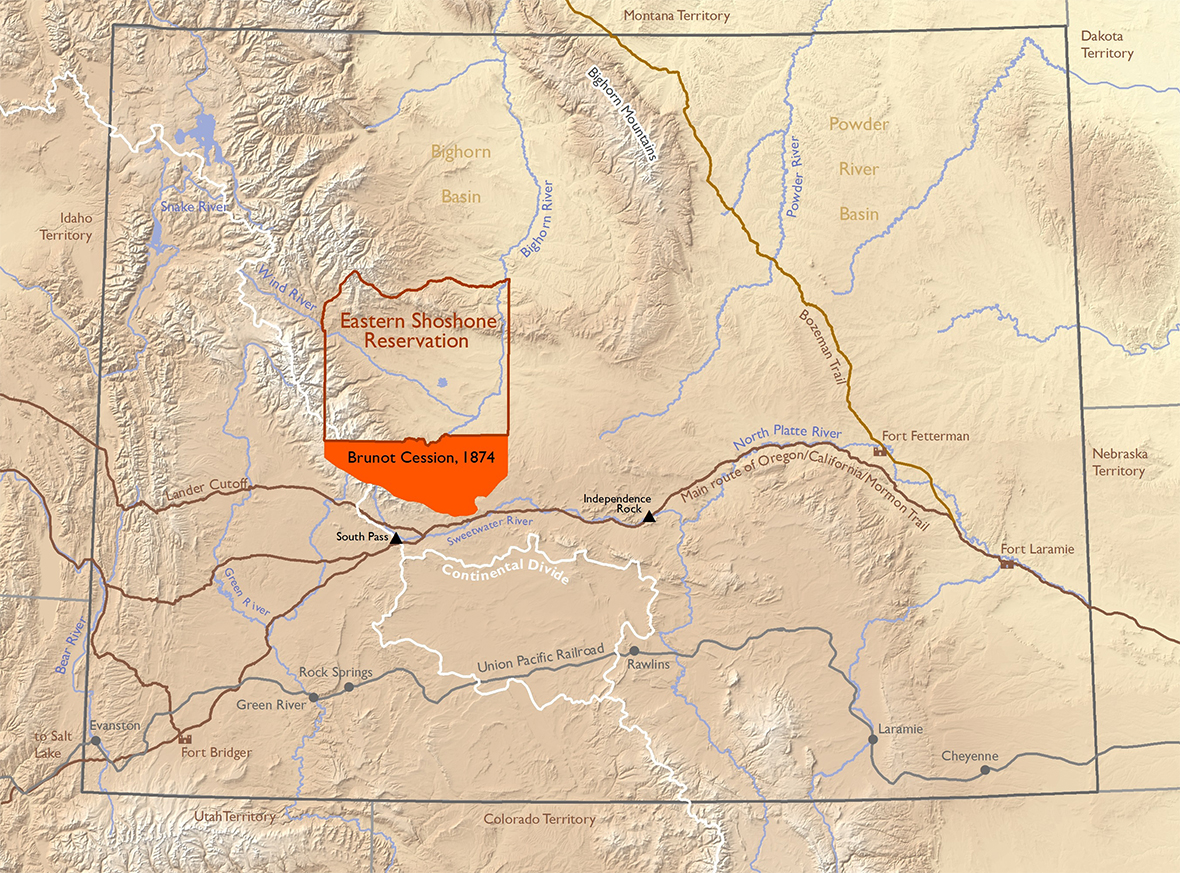
The Northern Arapaho Reservation, located in west-central Wyoming, is the home of the Northern Arapaho Tribe, a federally recognized tribe with a vibrant history and culture. This comprehensive guide delves into the heart of the reservation, exploring its history, geography, governance, community, and the challenges and opportunities it faces today. Understanding the Northern Arapaho Reservation requires acknowledging its deep roots and the ongoing efforts to preserve its unique identity.
Historical Background: A Legacy of Resilience
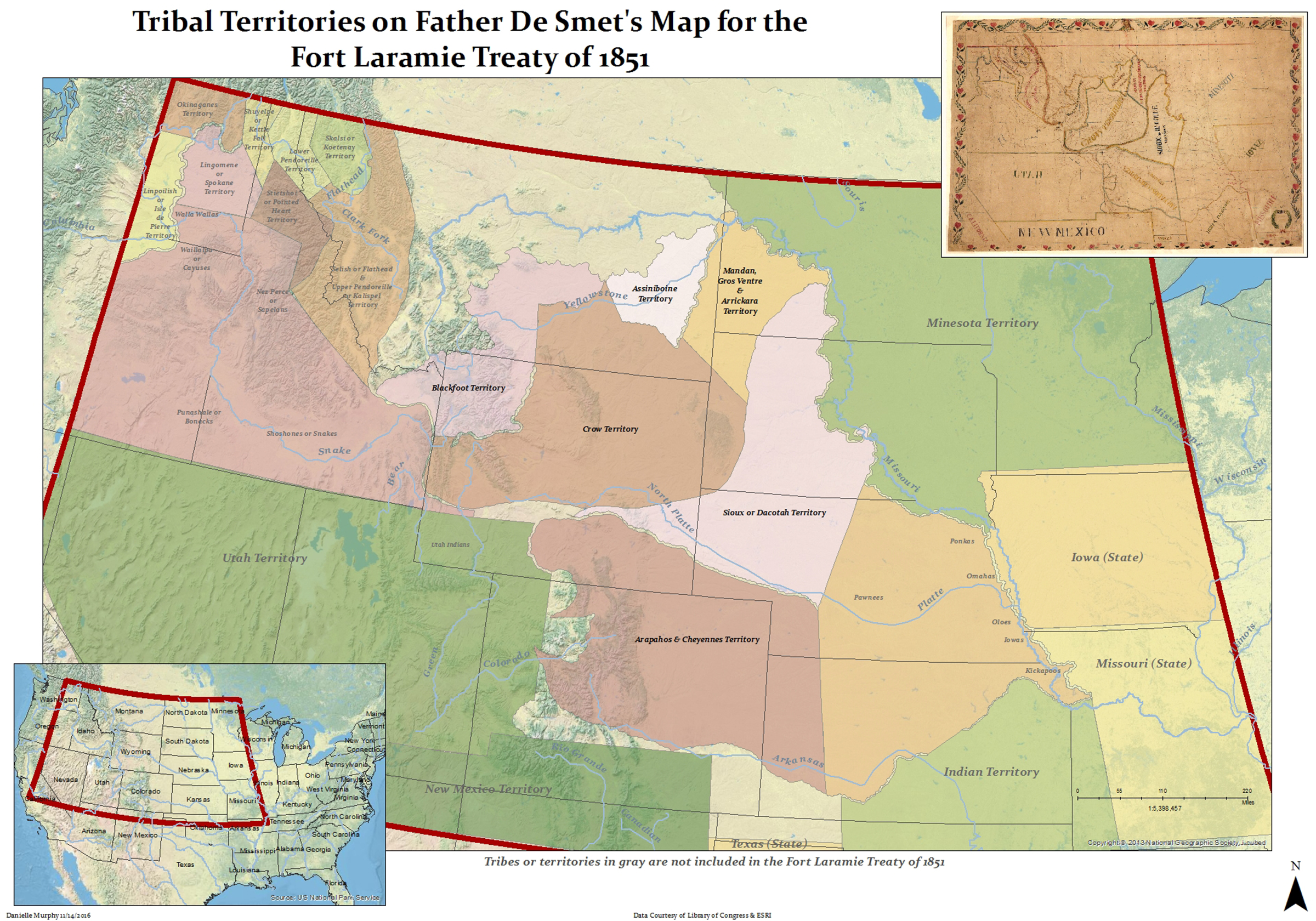
The Arapaho people, originally residing in the Great Lakes region, migrated westward over centuries, eventually settling on the Great Plains. The Northern Arapaho, distinct from their Southern Arapaho relatives, maintained a close relationship with the Cheyenne. The 19th century brought significant changes, marked by treaties with the U.S. government that drastically reduced their ancestral lands. The Fort Laramie Treaty of 1851 and subsequent agreements confined the Northern Arapaho to a portion of the Wind River Reservation in Wyoming, shared with the Eastern Shoshone Tribe. This forced relocation and the ensuing struggle for resources profoundly shaped the tribe’s history and identity.
The history of the Northern Arapaho is intertwined with the broader narrative of Native American displacement and assimilation policies. Despite these challenges, the tribe demonstrated remarkable resilience, preserving its cultural traditions and advocating for its rights. Understanding this historical context is crucial for appreciating the present-day realities of the Northern Arapaho Reservation.
Geography and Environment: A Land of Contrasts
The Wind River Reservation, encompassing over 2.2 million acres, presents a diverse landscape ranging from arid plains to mountainous terrain. The reservation’s geography plays a significant role in shaping the lives of its residents. The Wind River, a vital water source, sustains agriculture and supports the local ecosystem. The climate is characterized by harsh winters and warm summers, influencing traditional practices and economic activities.
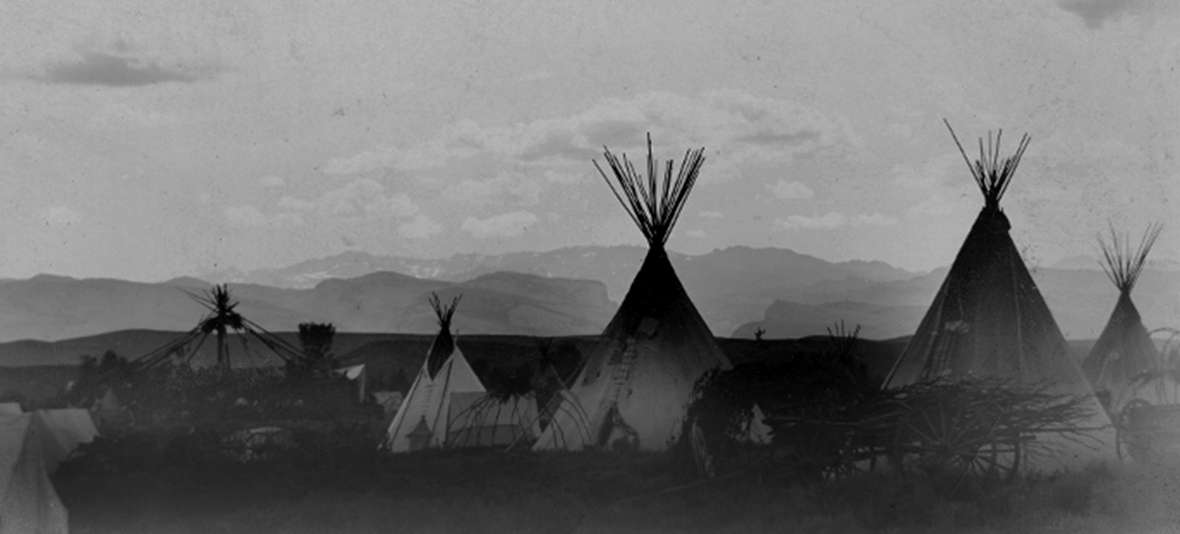
The reservation’s environment is not without its challenges. Resource management, water rights, and the impact of climate change are critical concerns. Balancing economic development with environmental sustainability is a key priority for the Northern Arapaho Tribe. The tribe actively engages in conservation efforts to protect its natural resources for future generations.
Governance and Politics: Self-Determination in Action
The Northern Arapaho Tribe operates under a constitutionally established government. The General Council, comprised of all enrolled adult members, serves as the governing body. A Business Council, elected by the General Council, manages the tribe’s day-to-day affairs. This structure reflects the tribe’s commitment to self-determination and its inherent sovereign rights.
Tribal governance extends to various areas, including law enforcement, education, healthcare, and economic development. The tribe actively engages in intergovernmental relations with the state of Wyoming and the federal government. Navigating the complexities of federal Indian law and asserting tribal sovereignty are ongoing priorities.
Culture and Traditions: Preserving a Rich Heritage
The Northern Arapaho culture is rich in traditions, ceremonies, and artistic expressions. Storytelling, oral history, and traditional songs play a vital role in transmitting cultural knowledge across generations. The Arapaho language, an Algonquian language, is actively being revitalized through language immersion programs and educational initiatives.
Powwows are significant cultural events, bringing together members of the tribe and visitors to celebrate Arapaho heritage through dance, music, and regalia. Traditional arts and crafts, such as beadwork, quillwork, and hide painting, are expressions of cultural identity and artistic skill. The Northern Arapaho Tribe is dedicated to preserving and promoting its cultural heritage for future generations.
Community and Demographics: A Portrait of the People
The Northern Arapaho Reservation is home to a diverse community of tribal members and non-Native residents. The population is concentrated in several towns and communities within the reservation boundaries. Understanding the demographic trends and social dynamics is essential for addressing the needs of the community.
Challenges such as unemployment, poverty, and access to healthcare persist within the reservation. The tribe and various organizations are working to address these issues through economic development initiatives, educational programs, and healthcare services. Strengthening community bonds and fostering a sense of belonging are vital for the well-being of the Northern Arapaho people.
Economic Development: Building a Sustainable Future
Economic development is a key priority for the Northern Arapaho Tribe. The tribe operates several businesses, including gaming enterprises, tourism ventures, and natural resource development projects. Diversifying the economy and creating employment opportunities are essential for reducing poverty and improving the quality of life for tribal members.
Renewable energy development, agriculture, and tourism offer potential avenues for sustainable economic growth. The tribe is actively seeking partnerships with private sector companies and government agencies to promote economic development while protecting the environment and preserving cultural values.
Education: Investing in the Next Generation
Education is a cornerstone of the Northern Arapaho Tribe’s efforts to build a brighter future for its youth. The tribe operates its own schools and supports tribal members attending colleges and universities. Cultural education and language immersion programs are integrated into the curriculum to preserve and promote Arapaho heritage.
Improving educational outcomes and addressing the achievement gap are ongoing challenges. The tribe is committed to providing quality education and creating opportunities for tribal members to succeed in school and beyond. Investing in education is seen as an investment in the future of the Northern Arapaho Nation.
Healthcare: Addressing Health Disparities
Access to quality healthcare is a critical concern on the Northern Arapaho Reservation. The tribe operates healthcare facilities and works in partnership with the Indian Health Service to provide medical services to tribal members. Addressing health disparities and improving health outcomes are top priorities.
Chronic diseases, mental health issues, and substance abuse are significant challenges. The tribe is implementing programs to promote healthy lifestyles, prevent disease, and provide culturally sensitive healthcare services. Improving access to healthcare and addressing the social determinants of health are essential for the well-being of the Northern Arapaho people.
Challenges and Opportunities: Navigating the Future
The Northern Arapaho Reservation faces a complex set of challenges, including poverty, unemployment, substance abuse, and historical trauma. Addressing these challenges requires a multifaceted approach that combines tribal initiatives, government support, and community involvement.
Despite these challenges, the Northern Arapaho Tribe possesses significant opportunities. The tribe’s natural resources, cultural heritage, and strong sense of community offer a foundation for sustainable development and a brighter future. By embracing innovation, fostering partnerships, and preserving its cultural values, the Northern Arapaho Tribe can overcome the challenges and create a thriving community for generations to come.
People Also Ask: Common Questions About the Northern Arapaho Reservation
What is the population of the Northern Arapaho Reservation?
The population of the Northern Arapaho Reservation fluctuates, but it is estimated to be around several thousand enrolled tribal members residing within the reservation boundaries. The total population of the Wind River Reservation, including both Northern Arapaho and Eastern Shoshone tribal members, is higher.
The Northern Arapaho Reservation is located in west-central Wyoming, primarily within Fremont County. It shares the Wind River Reservation with the Eastern Shoshone Tribe.
What is the main source of income for the Northern Arapaho Tribe?
The Northern Arapaho Tribe derives income from various sources, including gaming enterprises, tourism, natural resource development, and federal grants. Diversifying the economy is an ongoing effort to create more sustainable sources of revenue.
How does the Northern Arapaho Tribe govern itself?
The Northern Arapaho Tribe operates under a constitutionally established government. The General Council, comprised of all enrolled adult members, is the governing body. The Business Council, elected by the General Council, manages the tribe’s day-to-day affairs.
What are some of the cultural traditions of the Northern Arapaho Tribe?
The Northern Arapaho culture is rich in traditions, ceremonies, and artistic expressions. Storytelling, oral history, traditional songs, and powwows are important cultural events. Traditional arts and crafts, such as beadwork and quillwork, are also significant aspects of Arapaho culture.
Conclusion: A Journey of Resilience and Self-Determination
The Northern Arapaho Reservation is a testament to the resilience and self-determination of the Northern Arapaho people. Despite facing historical injustices and ongoing challenges, the tribe has persevered in preserving its cultural heritage, asserting its sovereignty, and building a sustainable future for its members. Understanding the history, culture, and contemporary issues facing the Northern Arapaho Reservation is essential for fostering respect, promoting collaboration, and supporting the tribe’s efforts to create a thriving community. The journey of the Northern Arapaho Nation is a story of strength, perseverance, and a commitment to a brighter tomorrow.
The Northern Arapaho Tribe’s unwavering commitment to preserving its cultural heritage and promoting the well-being of its members serves as an inspiration. As they navigate the complexities of the 21st century, their story offers valuable lessons about resilience, self-determination, and the importance of honoring cultural traditions.


