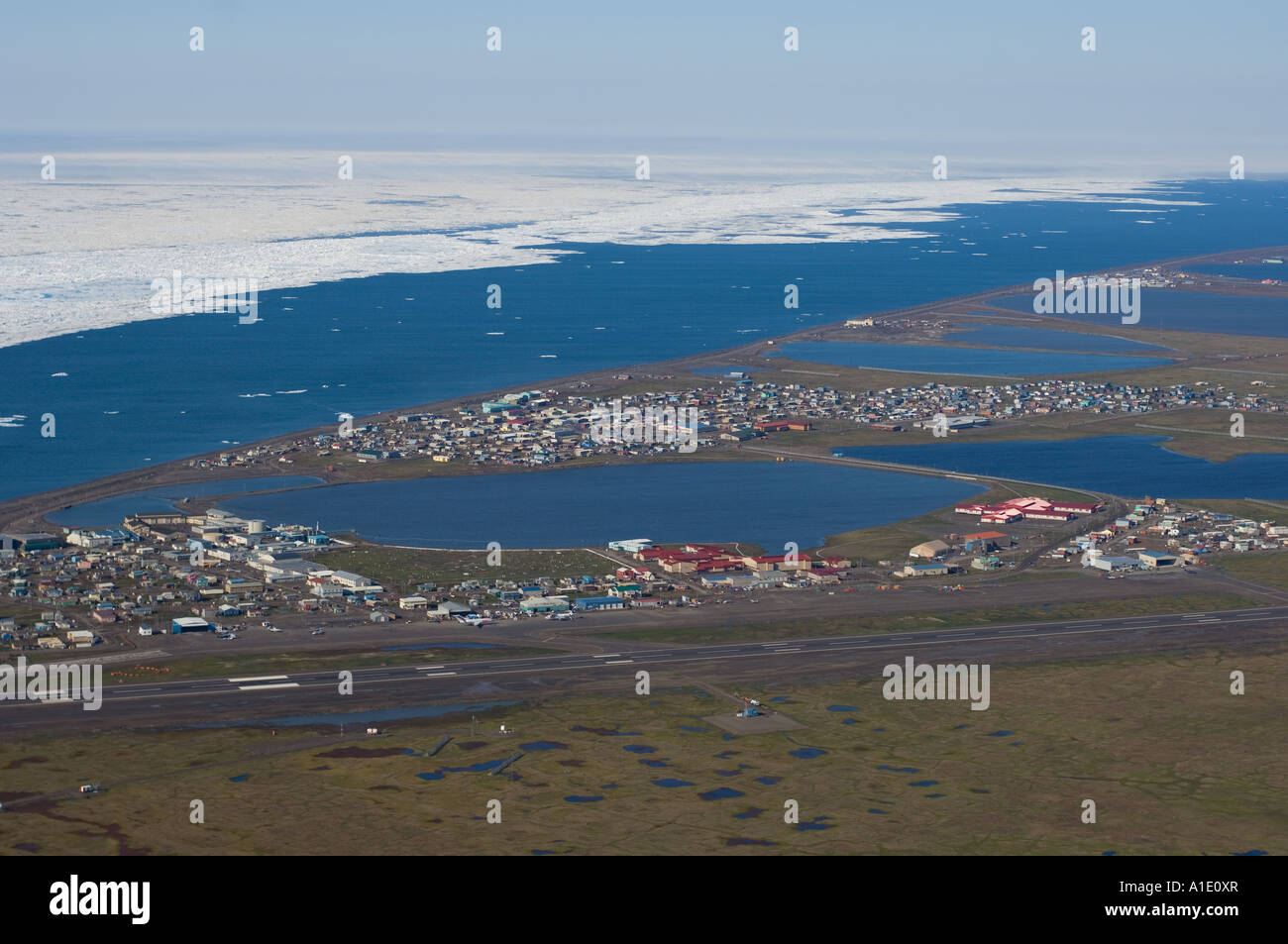

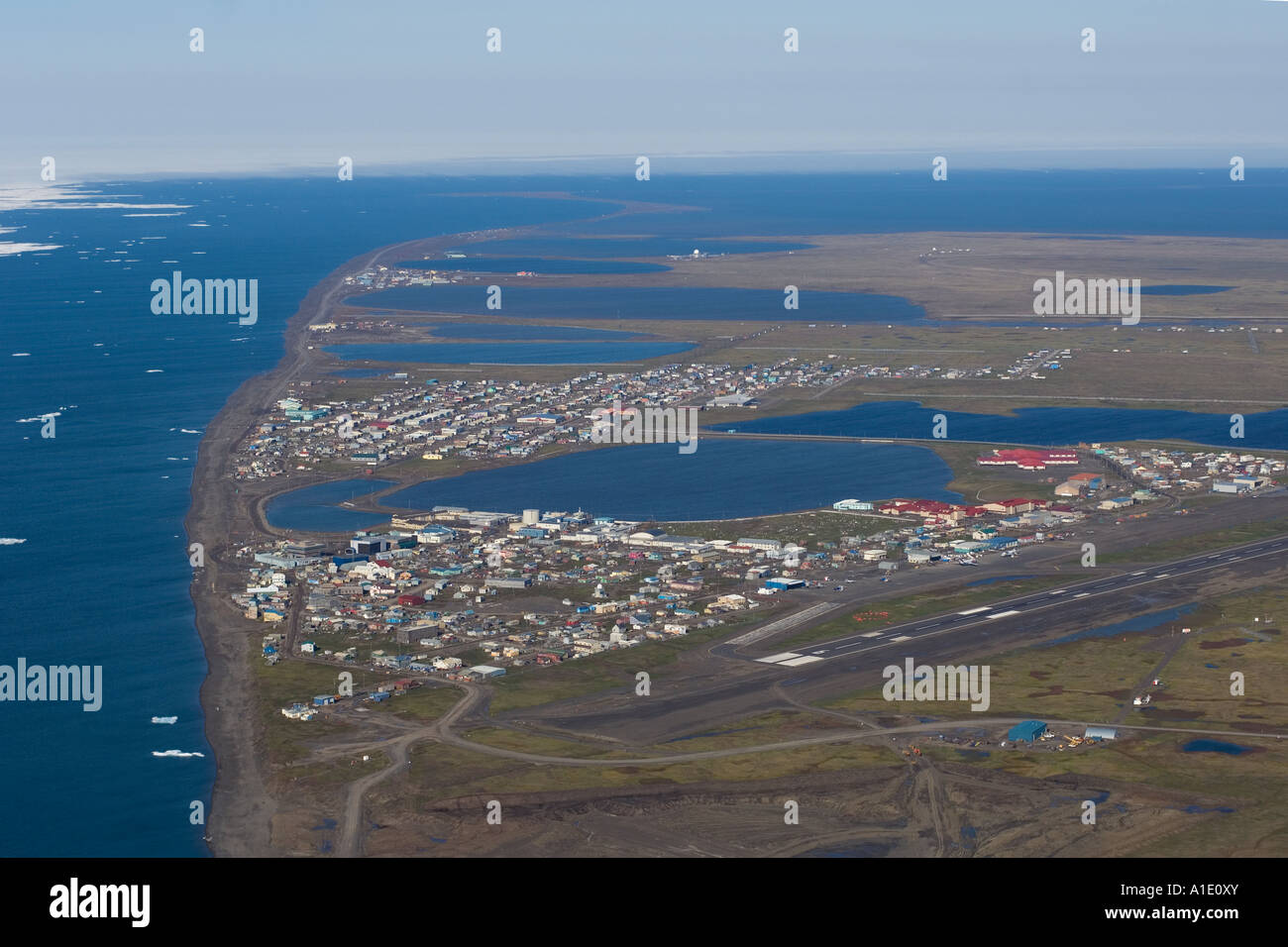
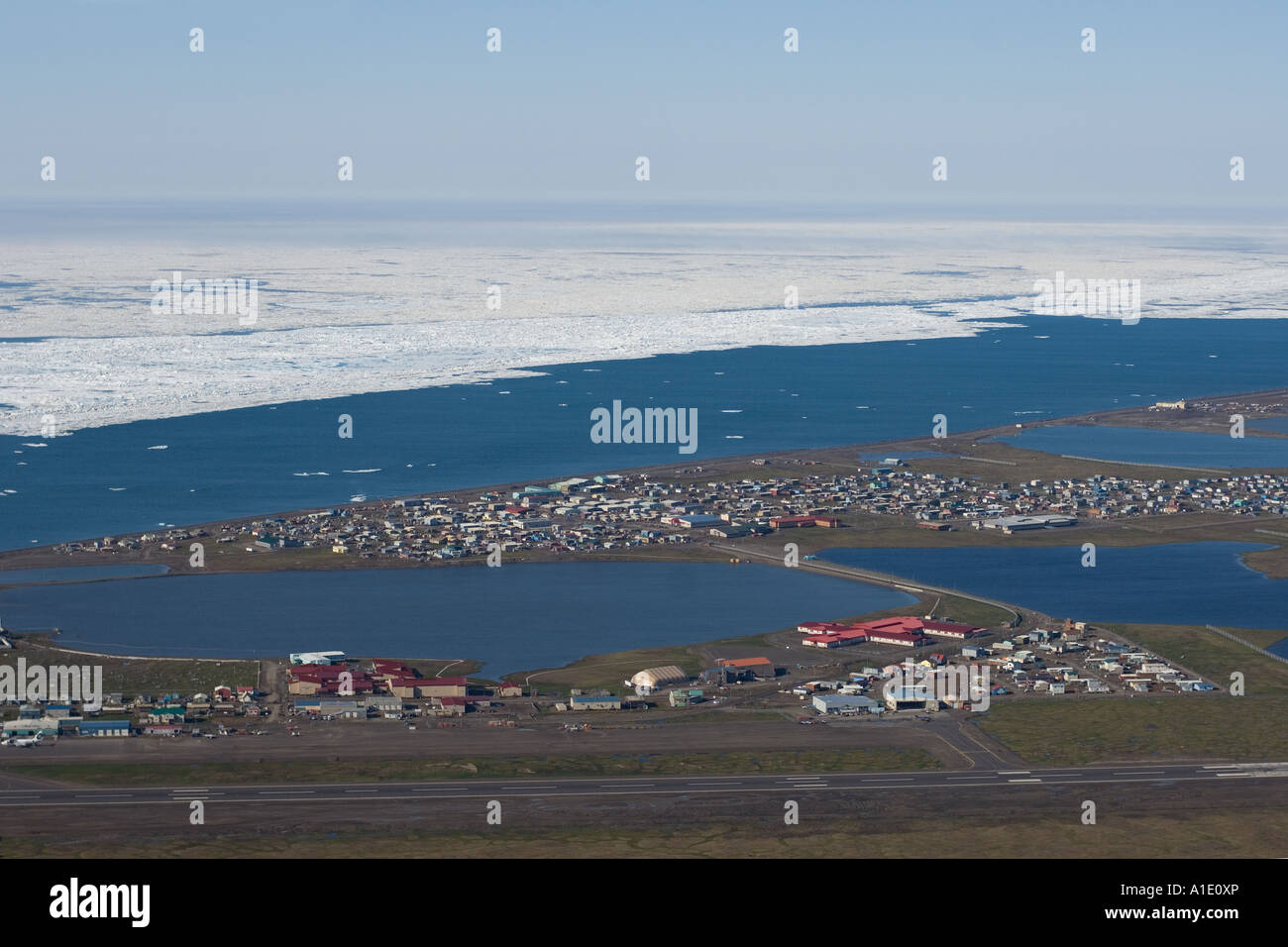
The North Slope Borough of Alaska is home to the Inupiat, an indigenous people with a profound connection to the Arctic landscape. Their history, culture, and way of life are intricately woven with the land and sea, shaped by generations of resilience and adaptation. This article delves into the world of the North Slope Borough Inupiat, exploring their traditions, the challenges they face, and their ongoing efforts to preserve their heritage in a rapidly changing world.
Who are the Inupiat? The Inupiat are an Inuit people inhabiting the Arctic regions of Alaska, specifically the North Slope Borough. Their name, Inupiat, means ‘real people’ or ‘genuine people.’ They are closely related to other Inuit groups across the Arctic, sharing similar languages, customs, and ancestral origins. For millennia, the Inupiat have thrived in this harsh environment, developing sophisticated hunting techniques, intricate social structures, and a deep understanding of the natural world.
A History Forged in Ice and Snow The history of the North Slope Borough Inupiat stretches back thousands of years. Archaeological evidence suggests that their ancestors migrated to the Arctic regions of Alaska from Siberia across the Bering Land Bridge. Over time, they adapted to the unique challenges of the Arctic environment, developing specialized skills for hunting marine mammals, caribou, and other animals. Their survival depended on their ability to utilize every part of the animal, from food and clothing to tools and shelter.
Traditional Inupiat society was based on a subsistence lifestyle, with hunting, fishing, and gathering as the primary means of survival. They lived in small, nomadic groups, following the seasonal migrations of animals. Their social structure was egalitarian, with decisions made collectively by community elders. Storytelling, dancing, and other forms of artistic expression played a vital role in preserving their history, transmitting knowledge, and strengthening community bonds.
The Arrival of Outsiders The arrival of European and American traders and whalers in the 19th century brought significant changes to the Inupiat way of life. While trade provided access to new goods and technologies, it also led to the introduction of diseases, the exploitation of resources, and the disruption of traditional social structures. The whaling industry, in particular, had a devastating impact on whale populations, which were a crucial source of food and materials for the Inupiat.
In the 20th century, the discovery of oil in Prudhoe Bay brought further transformations to the North Slope Borough. The construction of the Trans-Alaska Pipeline System and the influx of oil workers led to economic development and increased contact with the outside world. While oil revenues provided funding for infrastructure and social programs, they also raised concerns about environmental impacts and the preservation of Inupiat culture.

Culture and Traditions: A Living Heritage Despite the challenges they have faced, the North Slope Borough Inupiat have maintained a strong sense of cultural identity. Their traditions, values, and beliefs continue to shape their lives and guide their interactions with the world around them.
Subsistence Lifestyle Subsistence hunting and fishing remain central to the Inupiat way of life. They continue to harvest marine mammals, caribou, fish, and birds, using traditional methods passed down through generations. These activities are not only essential for food security but also for maintaining cultural identity and community cohesion. The Inupiat believe in using all parts of the animal respectfully, honoring the spirit of the animal and ensuring its continued abundance.
Language and Storytelling The Inupiaq language is an integral part of their cultural heritage. Efforts are underway to revitalize the language, which has been threatened by the dominance of English. Storytelling plays a crucial role in preserving history, transmitting knowledge, and entertaining audiences. Traditional stories often feature moral lessons, historical accounts, and humorous anecdotes.
Art and Music Inupiat art reflects their deep connection to the natural world. Carvings made from ivory, bone, and stone depict animals, spirits, and scenes from daily life. Traditional music includes drumming, singing, and dancing. These art forms serve as a means of expressing cultural identity, celebrating traditions, and honoring the spirits of the land and sea.
Social Structure and Governance Traditional Inupiat society was based on a communal decision-making process, with elders playing a prominent role in guiding the community. Today, the North Slope Borough is governed by a mayor and assembly, with representation from each of the eight villages. The borough government works to balance economic development with the preservation of Inupiat culture and the protection of the environment.
Challenges and Opportunities in the 21st Century The North Slope Borough Inupiat face a number of challenges in the 21st century, including climate change, economic development, and cultural preservation.
Climate Change The Arctic is warming at a rate twice as fast as the global average, leading to significant changes in the environment. Melting sea ice, thawing permafrost, and rising sea levels are impacting traditional hunting practices, threatening coastal communities, and disrupting ecosystems. The Inupiat are at the forefront of observing and adapting to these changes, drawing on their traditional knowledge and working with scientists to understand and mitigate the impacts of climate change.
Economic Development The oil industry has brought economic opportunities to the North Slope Borough, but it has also raised concerns about environmental impacts and the sustainability of the region’s resources. The Inupiat are working to diversify their economy, promoting tourism, renewable energy, and other industries that are compatible with their cultural values and environmental concerns.
Cultural Preservation The preservation of Inupiat culture is an ongoing challenge. The influence of Western culture, the decline of the Inupiaq language, and the loss of traditional skills are all threats to their cultural heritage. The Inupiat are actively working to revitalize their language, promote traditional arts and crafts, and educate younger generations about their history and culture.
Language Revitalization Programs Schools and community organizations are offering Inupiaq language classes and immersion programs to help revitalize the language and ensure its survival for future generations.
Cultural Centers and Museums Cultural centers and museums showcase Inupiat art, artifacts, and history, providing opportunities for education and cultural exchange.
Traditional Arts and Crafts Workshops Workshops teach traditional skills such as carving, sewing, and drumming, ensuring that these skills are passed down to younger generations.
Cultural Festivals and Events Cultural festivals and events celebrate Inupiat traditions, providing opportunities for community members to come together, share their culture, and strengthen their bonds.
The Future of the North Slope Borough Inupiat The future of the North Slope Borough Inupiat depends on their ability to adapt to the challenges of a changing world while preserving their cultural heritage. By drawing on their traditional knowledge, working together as a community, and engaging with the outside world, they can ensure a vibrant and sustainable future for generations to come.
The Inupiat people are actively involved in shaping their future. They are participating in climate change research, advocating for responsible resource development, and promoting cultural awareness. They are also working to strengthen their self-governance and ensure that their voices are heard in decisions that affect their lives.
The Inupiat are a resilient and resourceful people who have thrived in the Arctic for thousands of years. Their culture is a testament to their ingenuity, adaptability, and deep connection to the land and sea. By understanding their history, appreciating their culture, and supporting their efforts to preserve their heritage, we can help ensure a bright future for the North Slope Borough Inupiat.
In conclusion, the North Slope Borough Inupiat are a remarkable people with a rich history and vibrant culture. They have faced numerous challenges throughout their history, but they have always persevered. Today, they are working to adapt to the challenges of climate change, economic development, and cultural preservation, while maintaining their unique identity and way of life. Their story is one of resilience, adaptation, and a deep connection to the Arctic environment.
Their traditions, values, and beliefs continue to shape their lives and guide their interactions with the world around them. The Inupiat are actively engaged in efforts to preserve and promote their culture, ensuring that it will continue to thrive for generations to come. Their story is an inspiration to us all, reminding us of the importance of cultural preservation, environmental stewardship, and community resilience.