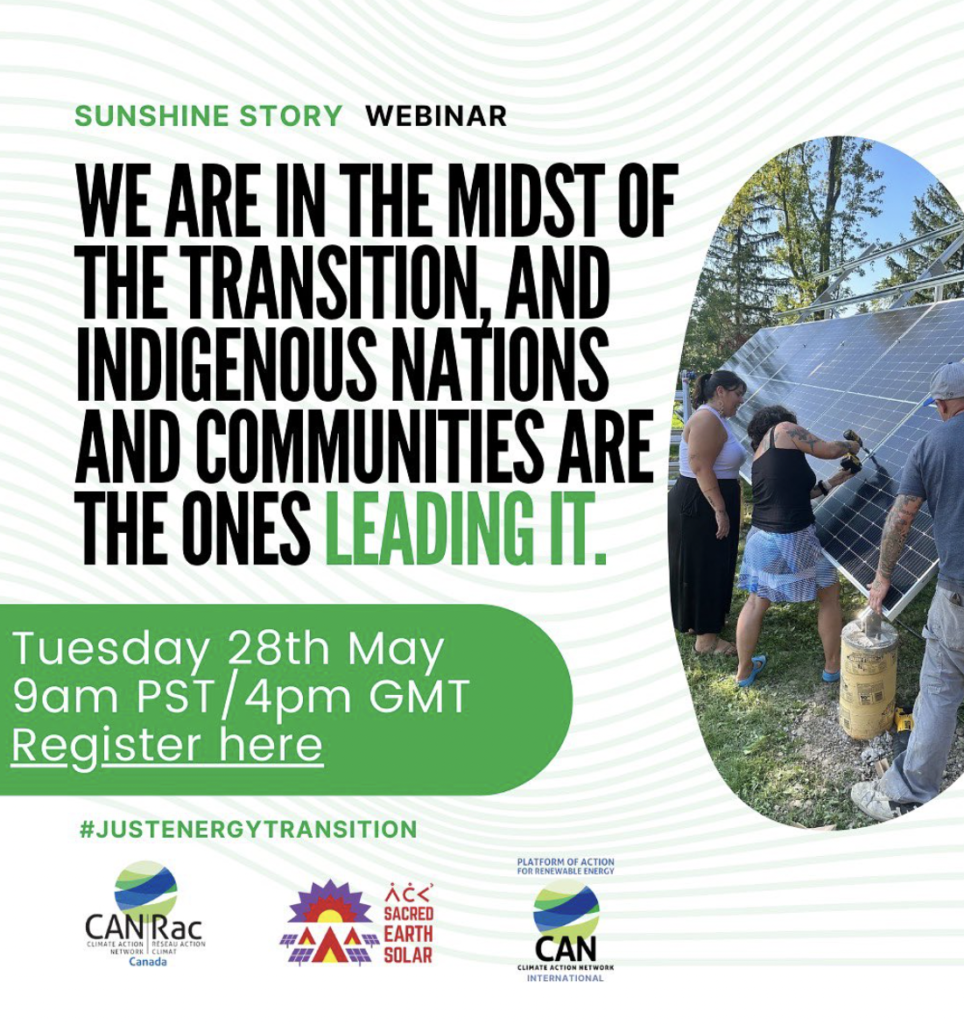

Indian Reservations, also known as Native American Reservations, are areas of land managed by a federally recognized Native American tribe under the U.S. Bureau of Indian Affairs. These reservations serve as homelands for Native American people and are central to their cultural identity and self-governance. However, despite their significance, Indian Reservations face a multitude of complex and interconnected challenges in the 21st century.
This article delves into the contemporary issues confronting Indian Reservations, examining the root causes, current realities, and potential pathways toward a more equitable and sustainable future.
Historical Context: The Foundation of Current Challenges
Understanding the present-day issues requires acknowledging the historical context that has shaped the lives of Native Americans and the development of Indian Reservations. Policies of forced removal, assimilation, and land seizure have had a devastating and lasting impact.
Treaty Violations: The U.S. government has a long history of violating treaties with Native American tribes, leading to loss of land, resources, and sovereignty. These violations continue to affect tribal communities today.
Forced Assimilation: Boarding schools aimed to assimilate Native American children into mainstream society by suppressing their language, culture, and traditions. This resulted in intergenerational trauma and loss of cultural identity.
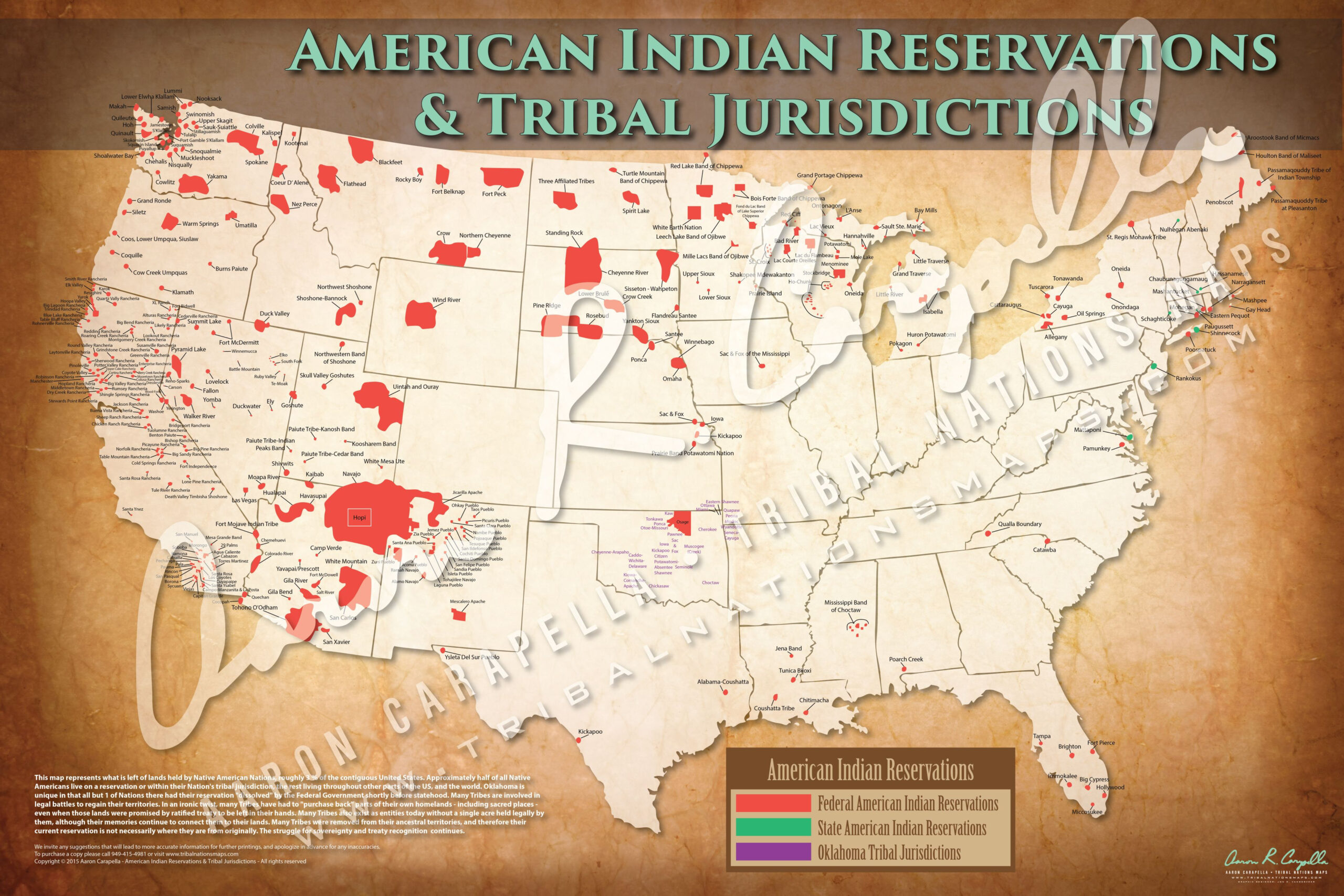

Land Allotment: The Dawes Act of 1887 divided communal tribal lands into individual allotments, leading to the loss of millions of acres of land to non-Native individuals and corporations.
Socioeconomic Challenges: A Cycle of Poverty
High Unemployment Rates: Unemployment rates on Indian Reservations are significantly higher than the national average. Lack of job opportunities, limited access to education and training, and geographic isolation contribute to this problem.
Inadequate Housing: Overcrowded and substandard housing is common on many reservations. Lack of funding for housing development and infrastructure improvements exacerbate the issue.
Food Insecurity: Limited access to affordable and nutritious food is a major concern. Food deserts, where access to grocery stores is limited, contribute to high rates of obesity, diabetes, and other health problems.
Lack of Infrastructure: Many reservations lack basic infrastructure, such as paved roads, reliable electricity, and clean water. This hinders economic development and quality of life.
Healthcare Disparities: A Crisis of Access and Quality
Native Americans face significant health disparities compared to the general population. These disparities are rooted in poverty, lack of access to healthcare, and historical trauma.
Indian Health Service (IHS): The IHS is responsible for providing healthcare to Native Americans. However, it is chronically underfunded, leading to inadequate staffing, limited services, and long wait times.


High Rates of Chronic Diseases: Native Americans have higher rates of diabetes, heart disease, cancer, and other chronic diseases. These conditions are often linked to poverty, poor diet, and lack of access to preventive care.
Mental Health Issues: Historical trauma, poverty, and discrimination contribute to high rates of mental health issues, including depression, anxiety, and substance abuse. Access to mental health services is often limited.
Substance Abuse: Alcohol and drug abuse are significant problems on many reservations, contributing to crime, violence, and health problems. Lack of economic opportunities and cultural alienation are contributing factors.
Educational Barriers: Limiting Opportunities
Education is crucial for breaking the cycle of poverty and empowering Native American communities. However, Native American students face numerous barriers to educational success.
Underfunded Schools: Schools on Indian Reservations are often underfunded, leading to inadequate resources, outdated facilities, and high teacher turnover rates.
Cultural Relevance: Curriculum is often not culturally relevant to Native American students, leading to disengagement and lower academic achievement. Incorporating Native languages, history, and culture into the curriculum is essential.
Language Barriers: Many Native American students speak a language other than English at home. Lack of bilingual education programs can hinder their academic progress.
High Dropout Rates: Native American students have higher dropout rates than other student groups. Factors contributing to this include poverty, lack of support, and cultural alienation.
Environmental Concerns: Protecting Sacred Lands
Indian Reservations are often located in areas rich in natural resources. However, these resources are often threatened by environmental degradation, resource extraction, and climate change.
Resource Extraction: Mining, oil and gas drilling, and logging can have devastating impacts on the environment and the health of Native American communities. Pollution, habitat destruction, and water contamination are common consequences.
Climate Change: Climate change is disproportionately affecting Native American communities. Rising sea levels, extreme weather events, and changes in traditional food sources threaten their way of life.
Water Rights: Access to clean and reliable water is essential for human health and economic development. However, many Native American tribes have unresolved water rights claims, leading to conflicts and uncertainty.
Environmental Justice: Native American communities are often disproportionately exposed to environmental hazards. Lack of political power and economic resources makes it difficult for them to protect their environment.
Cultural Preservation: Maintaining Identity
Preserving Native American culture and traditions is essential for maintaining their identity and self-determination. However, cultural preservation efforts face numerous challenges.
Language Loss: Many Native American languages are endangered. Language revitalization programs are crucial for preserving these languages for future generations.
Loss of Traditional Knowledge: Traditional knowledge about medicine, agriculture, and environmental management is being lost. Elders play a vital role in transmitting this knowledge to younger generations.
Cultural Appropriation: The appropriation of Native American culture by non-Native individuals and corporations is a growing concern. This includes the use of Native American imagery and symbols without permission or understanding.
Intergenerational Trauma: The legacy of historical trauma continues to affect Native American communities. Healing and reconciliation are essential for breaking the cycle of trauma.
Tribal Sovereignty: Self-Determination and Governance
Tribal sovereignty is the inherent right of Native American tribes to govern themselves. However, tribal sovereignty is often challenged by the federal government, state governments, and private interests.
Federal Recognition: Federal recognition is essential for tribes to receive federal funding and services. However, the process of obtaining federal recognition can be lengthy and complex.
Self-Governance: Self-governance allows tribes to manage their own affairs and make decisions about their future. However, tribes often lack the resources and capacity to fully exercise their self-governance rights.
Jurisdictional Issues: Jurisdictional disputes between tribal, federal, and state governments can create confusion and undermine tribal sovereignty.
Economic Development: Tribes are working to develop their economies and create jobs for their members. However, they often face barriers to economic development, such as lack of access to capital and infrastructure.
Addressing the Issues: Pathways to Progress
Increased Funding: Increased funding for healthcare, education, housing, and infrastructure is essential.
Policy Reform: Policy reforms that strengthen tribal sovereignty, protect Native American rights, and promote economic development are needed.
Collaboration: Collaboration between tribal governments, federal agencies, state governments, and private organizations is crucial.
Cultural Preservation: Supporting cultural preservation efforts is essential for maintaining Native American identity and self-determination.
Education and Awareness: Educating the public about the history, culture, and contemporary issues facing Native American communities is crucial for fostering understanding and respect.
Conclusion
The contemporary issues facing Indian Reservations are complex and interconnected, stemming from historical injustices, systemic inequalities, and ongoing challenges. Addressing these issues requires a commitment to justice, equity, and self-determination. By working together, we can create a more equitable and sustainable future for Native American communities.
Understanding the challenges faced by Native American communities is crucial for fostering empathy and promoting positive change. By supporting their efforts to preserve their culture, strengthen their economies, and exercise their sovereignty, we can contribute to a more just and equitable society for all.
- Indian Reservations face significant challenges related to poverty, healthcare, education, and cultural preservation.
- Historical injustices and systemic inequalities are major contributing factors to these issues.
- Tribal sovereignty and self-determination are essential for empowering Native American communities.
- Increased funding, policy reform, and collaboration are needed to address these challenges.
- Supporting cultural preservation and promoting education and awareness are crucial for fostering understanding and respect.


