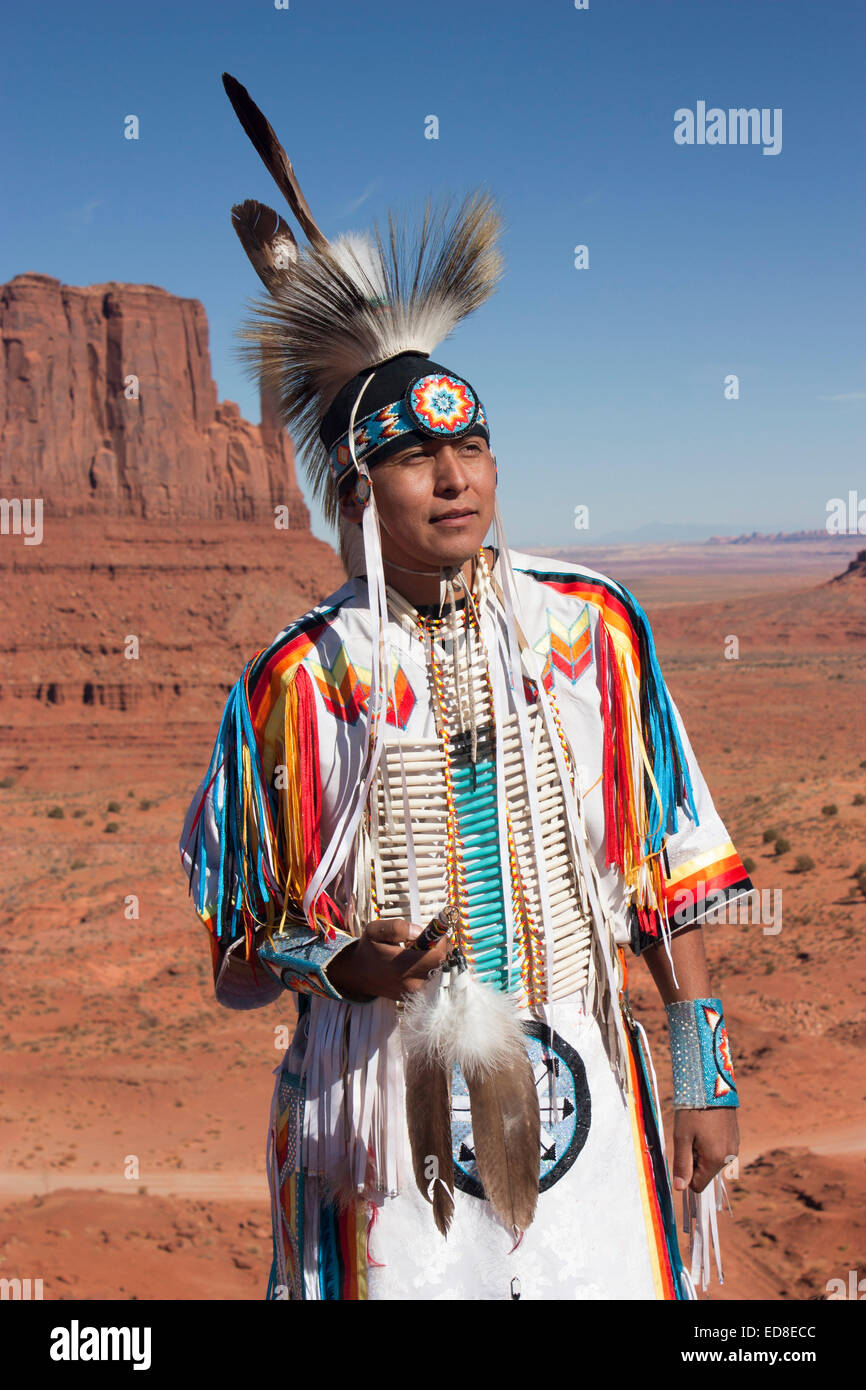
Capturing the Sacred Light: A Photographer’s Journey into Arizona’s Navajo Nation
For the discerning photographer, few landscapes on Earth rival the ethereal beauty and raw power of the Navajo Nation in Arizona. This vast, sovereign territory, the largest Native American reservation in the United States, offers an unparalleled canvas of geological wonders, dramatic light, and profound cultural depth. Photography tours within the Navajo Nation are not merely excursions; they are guided immersions into a living landscape, demanding respect, patience, and a keen eye for the extraordinary.
The allure for photographers is immediate and visceral. Here, the very earth seems to breathe with ancient stories, sculpted by wind and water into forms that defy imagination. From the sinuous, wave-like corridors of slot canyons to the expansive, monumental vistas, the Navajo Nation presents an ever-changing spectacle of light and shadow. Yet, access to these sacred lands is meticulously managed, and for good reason: these are not just scenic backdrops but cherished ancestral homes, imbued with spiritual significance. This is where the crucial role of a Navajo guide becomes paramount, transforming a simple photo trip into a rich, educational, and deeply respectful experience.
The Unrivaled Draw of the Slot Canyons
No discussion of Navajo Nation photography is complete without acknowledging the magnetic pull of its slot canyons, chief among them the world-renowned Antelope Canyon. Located near Page, Arizona, Antelope Canyon is actually two distinct sections: Upper Antelope Canyon (Tsé bighánílíní, ‘the place where water runs through rocks’) and Lower Antelope Canyon (Hazdistazí, ‘spiral rock arches’). Both offer distinct photographic challenges and rewards.
Upper Antelope Canyon is famous for its iconic light beams, which pierce the darkness from above, illuminating dust particles and creating a divine, almost otherworldly spectacle. These beams are best seen during midday in the warmer months (typically April through September), when the sun is directly overhead. Photographing here is an exercise in precision and speed. Tours are tightly scheduled, and photographers are often part of larger groups. A Navajo guide is indispensable, not only for navigating the narrow, sandy floor but also for pointing out optimal angles, assisting with camera settings in the challenging low-light conditions, and even occasionally tossing sand to enhance the visible light beams.
Lower Antelope Canyon, while equally stunning, offers a different experience. Its passages are narrower, requiring ladders and stairs to navigate, leading to a more adventurous feel. The light here is softer, reflecting off the sculpted sandstone walls to create a mesmerizing palette of oranges, purples, and reds. Without the direct overhead light beams, the focus shifts to the intricate patterns, smooth curves, and the ethereal glow that pervades the canyon. Photography tours here are often less crowded than Upper Antelope Canyon, allowing for slightly more contemplative shooting, though still adhering to a strict schedule.
Beyond Antelope Canyon, less-trafficked alternatives like Canyon X (also known as Secret Antelope Canyon) offer a more intimate experience. These canyons, accessible through private Navajo operators, provide similar sandstone beauty but with fewer crowds, allowing photographers more time and space to compose their shots and experiment with different lighting conditions. The guides for these tours often have a deeper knowledge of the specific canyon’s nuances, having grown up exploring its depths.
The Broader Canvas: Beyond the Slots
While the slot canyons are undeniable stars, the Navajo Nation’s photographic opportunities extend far beyond their sandstone walls. The vastness of the landscape, punctuated by dramatic geological formations, offers endless possibilities for wide-angle and telephoto photography.
Just south of Page, and often combined with Antelope Canyon tours, is Horseshoe Bend. While not exclusively within Navajo Nation, it’s a globally recognized landmark adjacent to tribal lands, where the Colorado River carves a magnificent 270-degree arc around a towering rock formation. Capturing its grandeur requires a wide-angle lens and careful attention to the changing light, especially at sunrise or sunset when the canyon walls glow with fiery hues.
Further into the heart of the Navajo Nation lies Canyon de Chelly National Monument, a place of profound historical and cultural significance. Managed by the National Park Service but entirely within Navajo Nation boundaries, Canyon de Chelly is unique. Visitors can drive along the rim and view ancient cliff dwellings and the iconic Spider Rock spire from various overlooks. However, to descend into the canyon floor – where Navajo families still live and farm – requires a Navajo guide. These guided tours offer opportunities to photograph not just the archaeological sites but also the timeless landscape and, with permission, the daily life of its residents. It’s a humbling experience, highlighting the enduring connection of the Navajo people to their ancestral lands.
The expansive vistas near Monument Valley Navajo Tribal Park (primarily in Utah but bordering Arizona) or similar high desert landscapes within Arizona’s Navajo Nation, present opportunities for sweeping panoramas, lone mesas, and incredible astrophotography under some of the darkest skies in the contiguous United States. Capturing the Milky Way arching over a silhouetted butte is an unforgettable experience, made possible by the remote, light-pollution-free environment.
The Indispensable Role of the Navajo Guide
The requirement for a Navajo guide on most photography tours within the Navajo Nation is not merely a formality; it is the cornerstone of a meaningful and responsible visit. These guides are more than just navigators; they are cultural ambassadors, custodians of the land, and often, skilled assistants to photographers.

"For us, these canyons are living beings," a hypothetical Navajo guide might explain. "They breathe, they tell stories. When you photograph them, you are capturing a piece of our soul, so you must do it with respect." This sentiment encapsulates the deep spiritual connection the Navajo people have to their land. Guides share insights into Navajo history, traditions, and the geological processes that shaped the landscape. They can point out petroglyphs, explain the significance of certain rock formations, or share personal anecdotes that enrich the photographic journey far beyond just getting a good shot.
From a practical standpoint, guides possess an intimate knowledge of the terrain, weather patterns, and the elusive dance of light within the canyons. They know the best angles, the precise moments for light beams, and how to manage the flow of visitors, especially in popular spots like Antelope Canyon. For photographers, this translates into maximized shooting time and access to the most impactful compositions. Furthermore, they ensure visitor safety, particularly in areas prone to flash floods or challenging terrain.
Ethical Photography and Cultural Sensitivity
Engaging in photography tours within the Navajo Nation demands a heightened sense of ethical responsibility and cultural sensitivity. The land is sacred, and the people are sovereign.
- Respect the Land: Treat the environment with utmost care. Stay on marked paths, do not disturb vegetation or rock formations, and practice "Leave No Trace" principles.
- Respect the People: This is paramount. Never photograph a Navajo individual without explicit permission. Many Navajo people prefer not to be photographed, and their wishes must always be honored. If permission is granted, a simple "thank you" or an offer to share the photo can go a long way. Understand that their culture values privacy and a deep connection to their identity.
- Support Local: Photography tours provide vital economic support to Navajo families and communities. Choose tour operators owned and operated by Navajo individuals to ensure your tourism dollars directly benefit the local economy.
- Be Mindful of Sacred Sites: Some areas may be deemed culturally sensitive or sacred. Guides will advise on appropriate behavior and restrictions.
Practical Advice for Photographers
To maximize the photographic potential of a Navajo Nation tour, preparation is key:
- Book in Advance: Especially for popular tours like Antelope Canyon, bookings can fill up months ahead.
- Equipment:
- Tripod: Essential for low-light slot canyons and astrophotography.
- Wide-Angle Lens: Crucial for capturing the grandeur of slot canyons and vast landscapes.
- Telephoto Lens: Useful for distant mesas, wildlife, and compressing landscapes.
- Dust Protection: Slot canyons are incredibly dusty. Bring lens cloths, a blower, and consider a rain cover for your camera.
- Extra Batteries and Memory Cards: You’ll be shooting a lot!
- Headlamp: Useful for navigating dark passages or early morning shoots.
- Attire: Comfortable walking shoes, layers of clothing (temperatures can vary dramatically), and a hat.
- Hydration: Always carry plenty of water, especially during warmer months.
- Patience: Good light and ideal conditions don’t always materialize instantly. Be patient, observe, and enjoy the experience.
The Enduring Impact
A photography tour through Arizona’s Navajo Nation is more than just an opportunity to capture stunning images; it is an invitation to connect with a landscape steeped in history and a culture rich in resilience. The photographs taken here often transcend mere aesthetic beauty, becoming testaments to the power of nature, the enduring spirit of the Navajo people, and the profound stories etched into the very rock. It is an experience that leaves photographers not only with a treasure trove of unique images but also with a deeper understanding of respect, connection, and the sacred light that illuminates this extraordinary corner of the world.


