
Echoes and Erasures: Unveiling the True Meanings of Native American Tribal Names
Beyond the familiar labels etched into maps and history books lie layers of misunderstanding, linguistic shortcuts, and colonial imposition that have long obscured the rich tapestry of Native American identity. Tribal names, often simplified or mistranslated by European settlers, are far more than mere designations; they are encapsulations of history, worldview, spiritual connection to land, and profound self-identification. This article delves into the original meanings of Native American tribal names, contrasting them with the often-erroneous or even derogatory colonial interpretations, and explores the enduring impact of these mistranslations on indigenous peoples and the broader historical narrative.
For Native American nations, a name is not a casual appellation but a sacred descriptor, reflecting deep truths about their people, their environment, their origins, or their spiritual journey. These names often speak of their relationship with the natural world, their societal structure, or their unique attributes. They are living archives, passed down through generations, embodying the very essence of who they are.
The arrival of European explorers, traders, and missionaries in North America marked a pivotal moment in the history of tribal nomenclature. Faced with hundreds of distinct languages and cultures, the newcomers often struggled to comprehend, or simply chose not to understand, the complex naming conventions of indigenous peoples. The process of naming became a haphazard blend of phonetic approximations, reliance on descriptions from rival tribes (which were frequently pejorative), and sometimes, outright invention based on superficial observations.
One of the most widely known examples of colonial mistranslation is the name "Sioux." This term, ubiquitous in American history and popular culture, is a truncated form of "Nadowessioux," which was originally an Ojibwe (Anishinaabemowin) word meaning "little snakes" or "adders," referring to enemies. It was a derogatory exonym, a name given by outsiders. The people known as Sioux, however, refer to themselves as the Oceti Sakowin, meaning "Seven Council Fires." This name speaks to their confederacy of seven distinct bands, united by language and culture, a powerful statement of internal unity and political organization, completely lost in the colonial "Sioux" moniker.
Similarly, the "Iroquois" are another prominent example. This name is believed to derive from an Algonquian word (possibly Basque or French influenced) meaning "real adders" or "snake people," again, an enemy-given derogatory term. The Iroquois, in their own language, are the Haudenosaunee, which translates to "People of the Longhouse." This name beautifully encapsulates their traditional dwelling and, more importantly, their societal and political structure, where the "Longhouse" symbolizes their confederacy and way of life. The contrast between "snake people" and "people of the Longhouse" vividly illustrates the chasm between external perception and internal identity.
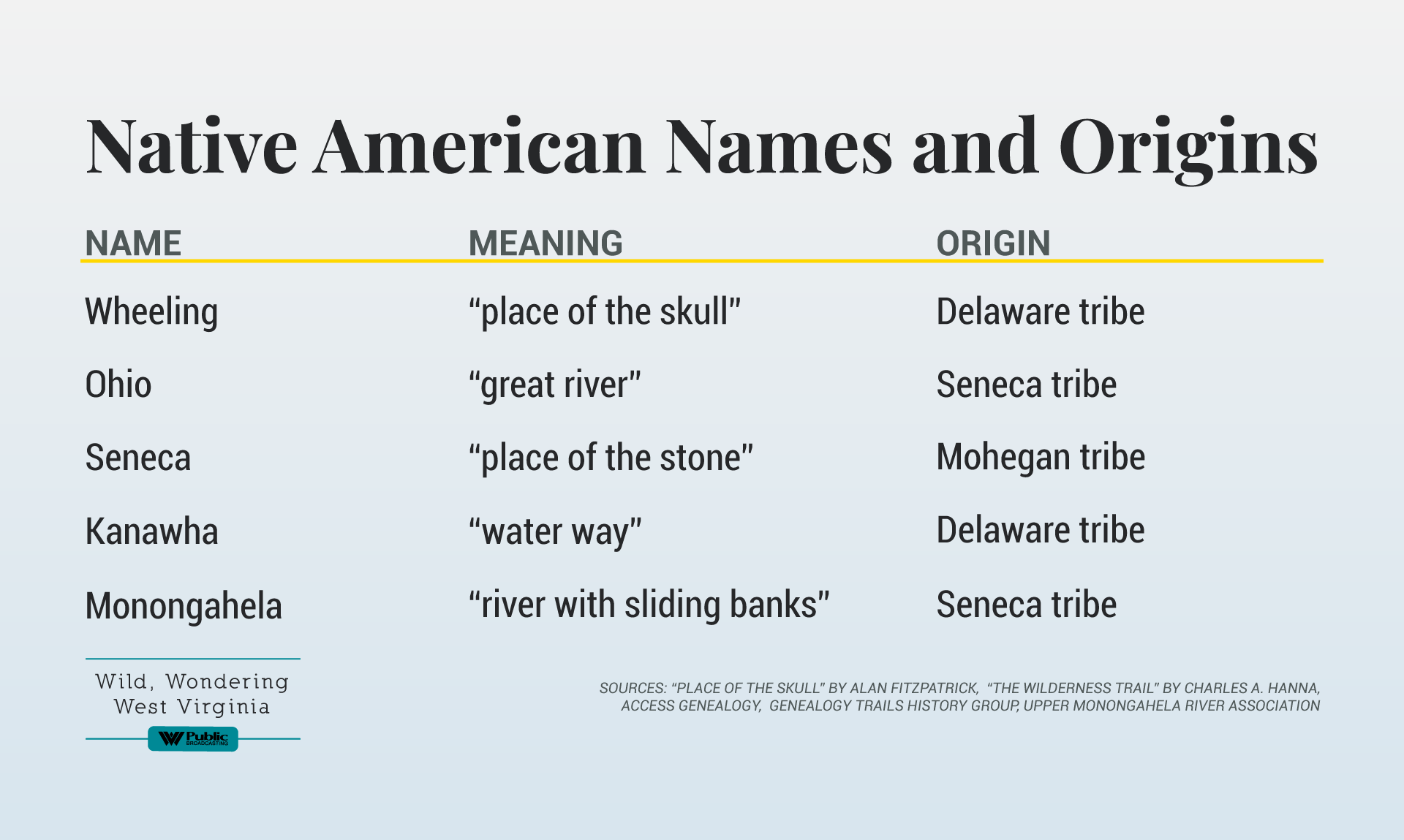
The "Comanche" tribe, famed for their equestrian skills and fierce independence, also bear a name that is not their own. The term "Comanche" is believed to derive from a Ute word, "Komantcia," often translated as "anyone who wants to fight me all the time" or "enemy." It reflects the adversarial relationship between the Ute and the Comanche. The Comanche people, however, call themselves the Nʉmʉnʉʉ, which simply means "The People." This straightforward and inclusive self-designation stands in stark contrast to the aggressive, conflict-laden image conveyed by the Ute-derived name.
Another striking instance of a derogatory exonym is "Eskimo." This term, widely used for the indigenous peoples of the Arctic regions of Alaska, Canada, and Greenland, is believed to originate from an Algonquian (Cree or Montagnais) word meaning "eaters of raw meat." It was a descriptor based on dietary practices, perhaps intended to highlight perceived ‘savagery’ or difference. The people themselves prefer to be called the Inuit (meaning "The People" in Inuktitut), or specific names for their regional groups like Yup’ik, Inupiat, or Kalaallit. The shift from "Eskimo" to "Inuit" is a powerful testament to the ongoing movement for self-determination and the rejection of colonial labels.
Beyond derogatory terms, many colonial names were simply descriptive but reductive, failing to capture the depth of a tribe’s self-understanding. For example, the "Blackfoot" Confederacy, consisting of the Siksika, Kainai, and Piikani nations, is often assumed to be named for the color of their moccasins, perhaps stained by the dark earth of the prairies. While the name "Siksika" (one of the nations) does relate to "black feet," its full meaning and cultural significance are far richer, often connected to spiritual symbolism or specific historical events, which are lost in the simple English translation. Their collective name, Niitsitapi, meaning "The Real People" or "Original People," further highlights the inadequacy of the English descriptor.
The "Mohawk" people, part of the Haudenosaunee Confederacy, are another example. "Mohawk" is an Algonquian word meaning "man-eaters" or "flesh-eaters," again, a name given by their adversaries. The Mohawk people’s true name is Kanienʼkehá꞉ka, meaning "People of the Flint Country" or "People of the Flint Place," referencing the rich deposits of flint in their traditional territory which was vital for tool-making and trade. This name beautifully connects them to their ancestral lands and their role as providers of a crucial resource, a meaning completely absent from the colonial misnomer.
The impact of these mistranslations extends far beyond mere linguistic inaccuracy. They have shaped popular perceptions of Native Americans, often perpetuating stereotypes of a monolithic, primitive, or warlike people. When a tribe’s identity is stripped down to a derogatory external label, it erodes their sovereignty and distorts their history. These names become shorthand for entire cultures, obscuring the vast diversity, complex social structures, spiritual richness, and profound intellectual traditions that characterized these nations for millennia.
Furthermore, the imposition of colonial names often served as a tool of cultural assimilation and erasure. By replacing indigenous names with European ones, settlers sought to diminish the connection between people and their ancestral lands, weaken their cultural ties, and assert dominance. It was part of a broader strategy to deconstruct indigenous identities and integrate them into a Eurocentric framework.
In recent decades, there has been a powerful movement among Native American communities to reclaim their original names and challenge the colonial legacy. This movement is not merely about linguistic correction; it is about decolonization, self-determination, and the restoration of cultural pride and historical accuracy. Tribal governments, educational institutions, and cultural organizations are actively working to educate the public about their true names and their meanings.
The shift in discourse is evident in various ways. More and more, news organizations and academic institutions are adopting indigenous self-designations. Museums are re-labeling exhibits, and place names are being reconsidered. For example, many institutions now refer to the "Ojibwe" rather than "Chippewa" (a phonetic corruption), and "Anishinaabe" for the larger cultural group. The "Navajo Nation" often uses its self-designation, Diné, meaning "The People." This movement underscores a profound respect for indigenous sovereignty and cultural integrity.
Understanding the true meanings behind Native American tribal names is a crucial step towards reconciliation and a more accurate understanding of American history. It compels us to look beyond superficial labels and engage with the depth and complexity of indigenous cultures. It is an invitation to listen to the voices of Native peoples, to learn their stories in their own words, and to recognize the resilience of cultures that have endured centuries of profound change.

In conclusion, the journey from colonial mistranslation to indigenous self-designation is more than a linguistic exercise; it is a fundamental act of justice and recognition. It is about acknowledging that names carry power, history, and identity. By embracing and using the original names – the Oceti Sakowin, the Haudenosaunee, the Nʉmʉnʉʉ, the Inuit, the Kanienʼkehá꞉ka, the Niitsitapi, the Diné – we not only honor the living heritage of Native American nations but also contribute to a more truthful and respectful understanding of the land we all share. The echoes of these original names, once silenced, are now growing louder, demanding to be heard and understood in their full, vibrant meaning.


