

Reclaiming Harmony: Native American Tribal Dispute Resolution Through Traditional Peacemaking
In the intricate tapestry of Native American societies, dispute resolution is not merely a legal process but a profound expression of cultural values, community cohesion, and spiritual interconnectedness. Far removed from the adversarial, punitive systems often found in Western jurisprudence, traditional Native American peacemaking and conflict management emphasize restoration, healing, and the re-establishment of harmony within the collective. This approach, rooted in millennia of practice, offers a powerful alternative paradigm that prioritizes relationships over retribution, and reconciliation over punishment.
At its core, traditional Native American dispute resolution is holistic. It views disputes not as isolated incidents between individuals, but as ruptures in the social fabric that affect the entire community. Consequently, the goal is not to determine guilt or assign blame in the Western sense, but to understand the underlying causes of the conflict, address the harm done, and restore balance to all parties involved – the victim, the offender, their families, and the wider community. This foundational principle stands in stark contrast to legal systems that often isolate the disputants and focus on legalistic interpretations rather than the broader human context.
Foundational Pillars: Community, Relationships, and Spirituality
Several key principles underpin the efficacy and philosophy of Native American peacemaking:
-
Community Sovereignty and Well-being: The ultimate aim is the preservation and strengthening of the community. Every action, every resolution, is measured against its potential to foster unity and prevent future discord. Decisions are often made by consensus, ensuring that all voices are heard and respected, and that the resolution is one that the community can collectively uphold.
-
Restoration and Healing: Unlike punitive justice, which seeks to punish the wrongdoer, traditional peacemaking is deeply restorative. It focuses on repairing the harm done to the victim, helping the offender understand the impact of their actions, and reintegrating them positively into the community. This often involves making amends, apology, and active steps towards healing for all affected. As many elders teach, "When one person hurts, the whole community hurts. When one person heals, the whole community heals."
-
Emphasis on Relationships: Relationships are paramount. Disputes are seen as breakdowns in relationships, and the resolution process is designed to mend these ties. This means fostering dialogue, empathy, and mutual understanding. The process is not about winners and losers, but about finding a path forward that allows all individuals to coexist respectfully.
-
Spirituality and Sacredness: For many tribes, the peacemaking process is deeply intertwined with spiritual beliefs and practices. It may involve prayer, ceremony, and invoking the wisdom of ancestors. The space where peacemaking occurs is often considered sacred, fostering an environment of respect, truth-telling, and openness. This spiritual dimension provides a moral framework that transcends mere legal compliance, encouraging deeper introspection and commitment to the resolution.


Mechanisms of Peacemaking: Circles, Elders, and Consensus
The methods employed in traditional Native American dispute resolution are as diverse as the tribes themselves, yet share common threads:
-
Talking Circles (or Peacemaking Circles): Perhaps the most widely recognized mechanism, the talking circle is a powerful and egalitarian tool. Participants sit in a circle, symbolizing equality and interconnectedness. A "talking stick" or "feather" is passed from person to person; only the person holding it may speak, while others listen respectfully without interruption. This practice ensures that every voice is heard, encourages thoughtful reflection before speaking, and prevents aggressive cross-examination. The goal is to share perspectives, feelings, and the impact of the dispute, rather than to debate facts. "The circle represents the sacred hoop of life," a Lakota elder once explained, "where all beings are equal, and all voices have a right to be heard."
-
The Role of Elders and Wisdom Keepers: Elders, revered for their wisdom, life experience, and deep understanding of tribal customs and values, often serve as primary facilitators or mediators. They are not judges in the Western sense, but rather neutral guides who help the parties navigate the difficult conversations, maintain respect, and steer the process towards a culturally appropriate resolution. Their authority comes from their moral standing and the community’s trust, not from a formal legal appointment. They embody the collective memory and spiritual guidance of the tribe.
-
Community Involvement: Depending on the nature of the dispute, the entire community, or at least representatives from affected families and clans, may participate. This collective involvement reinforces the idea that justice is a community responsibility and that the resolution must be accepted and supported by the broader group. It also ensures that the resolution reflects the community’s values and strengthens its social bonds.
-
Consensus-Based Decision Making: Resolutions are typically reached through consensus, rather than majority vote. This can be a lengthy process, but it ensures that all parties feel heard, respected, and invested in the outcome. It avoids creating a "loser" and fosters a deeper, more durable agreement that everyone can live with. The emphasis is on finding a solution that addresses everyone’s needs and concerns, leading to genuine reconciliation.
Contrast with Western Legal Systems: A Clash of Philosophies
The differences between traditional Native American peacemaking and Western legal systems are profound:
- Adversarial vs. Collaborative: Western law is often adversarial, pitting two parties against each other to determine fault. Traditional peacemaking is collaborative, bringing parties together to understand, heal, and find common ground.
- Punishment vs. Restoration: Western systems primarily focus on punishment and retribution for offenses. Native American systems prioritize restoration, rehabilitation, and repairing harm.
- Individual vs. Community: Western law often isolates the individual offender. Traditional peacemaking views the offense within the context of community harm and seeks to heal the entire collective.
- Legal Precedent vs. Relational Context: Western courts rely heavily on legal precedent and written statutes. Traditional peacemaking considers the specific relational context, the individuals involved, and the unique circumstances of the dispute, often drawing upon oral traditions and customary law.
This philosophical divide has historically led to immense challenges for Native American communities navigating a dominant legal system that often fails to understand or respect their traditions.
Challenges, Adaptations, and Contemporary Relevance
The imposition of colonial legal systems, the forced assimilation policies, and the legacy of historical trauma have profoundly impacted traditional peacemaking practices. The 19th and 20th centuries saw efforts to suppress tribal legal systems, replacing them with federal and state laws. However, the resilience of Native American cultures has ensured that these traditional methods persist and are experiencing a powerful resurgence.
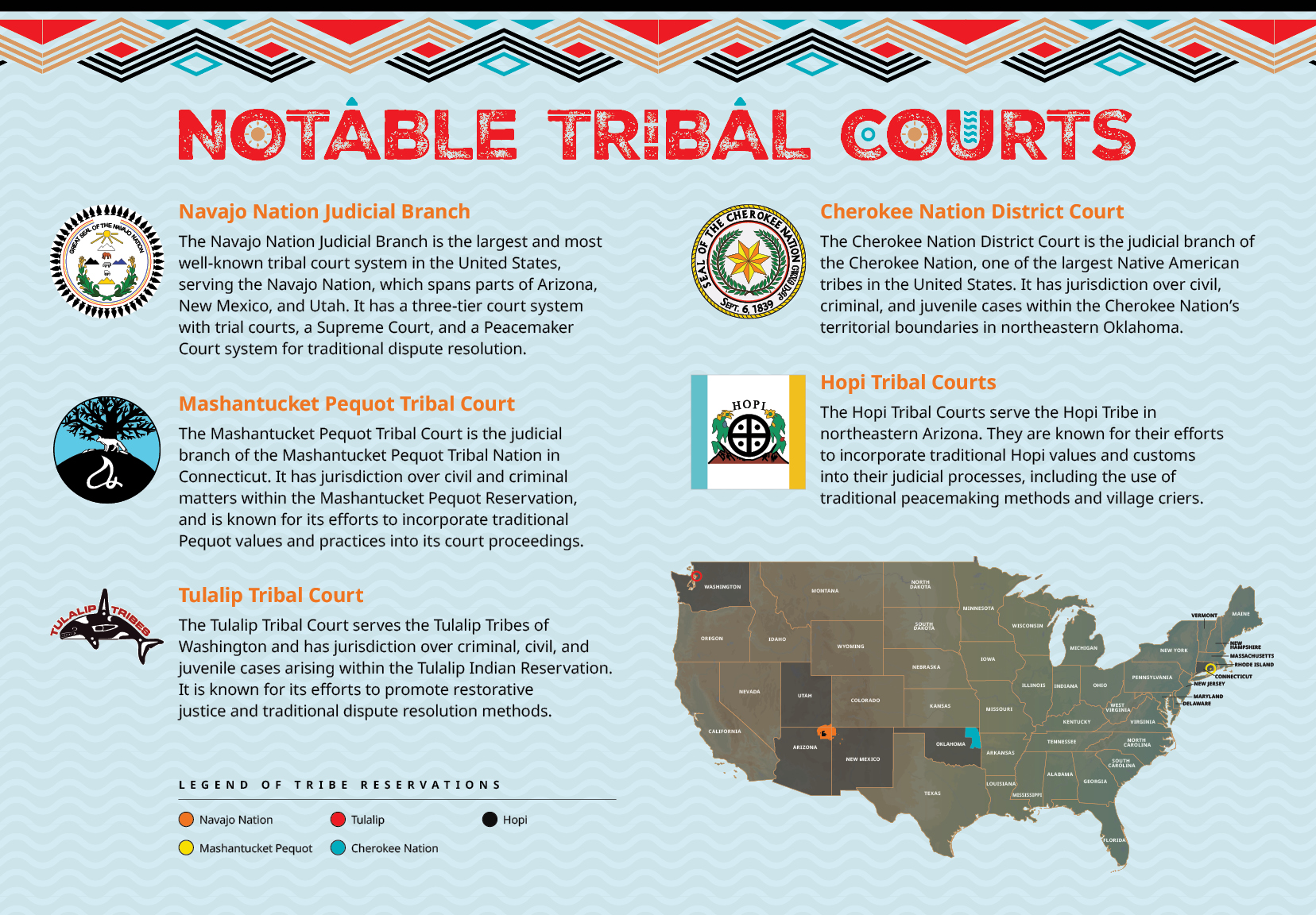
Today, many tribal nations are actively revitalizing and integrating traditional peacemaking into their contemporary governance and judicial systems. The Navajo Nation’s Peacemaking Courts, for instance, are a leading example, operating alongside their Western-style courts. These peacemaking courts utilize the traditional Hózhóójí (restoration of balance) philosophy, employing elders and community members to resolve disputes ranging from family conflicts to minor criminal offenses, often with remarkable success rates in reducing recidivism and fostering community healing.
The Indian Child Welfare Act (ICWA) of 1978, a federal law, also recognizes the importance of tribal customs and cultural values in child custody proceedings, often encouraging the use of traditional dispute resolution methods to keep Native American families and children connected to their communities. This represents a significant, albeit sometimes challenged, federal acknowledgment of tribal sovereignty and cultural integrity in legal matters.
However, challenges remain. Issues of jurisdiction (particularly in states covered by Public Law 280, which granted some states criminal and civil jurisdiction over reservations), funding, and the complex interplay between traditional law, tribal codes, and federal law continue to require careful navigation. The struggle is not just about resolving disputes, but about preserving cultural identity and self-determination in a modern world.
The Enduring Power of Harmony
The enduring power of Native American traditional peacemaking lies in its fundamental belief in the human capacity for healing, reconciliation, and living in harmony. It offers a powerful reminder that justice is not merely about punishment, but about restoring balance, mending broken relationships, and strengthening the bonds that hold a community together.
In an increasingly fragmented world, the wisdom embedded in these ancient practices holds profound lessons for all societies grappling with conflict. By prioritizing listening, empathy, community involvement, and the deep-seated human need for connection, Native American peacemaking provides a timeless model for building stronger, more resilient communities, one restored relationship at a time. It is a testament to the enduring spirit and wisdom of Native American peoples, whose traditions continue to offer vital pathways to peace and understanding.


