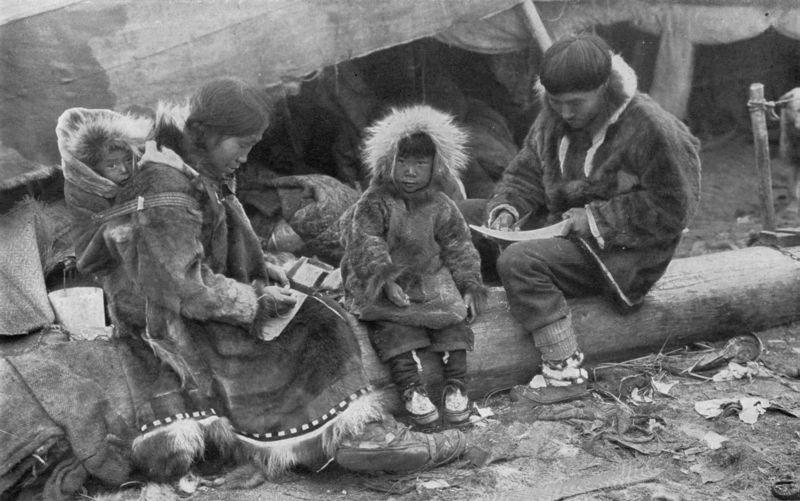

The term ‘Eskimo political organizations’ refers to the diverse and dynamic governance structures and advocacy groups established by Indigenous peoples across the Arctic. While the term ‘Eskimo’ was historically used by outsiders, it is often considered outdated and, in some regions, offensive. The preferred terms are ‘Inuit’ (primarily in Canada and Greenland) and ‘Yup’ik’ (primarily in Alaska and Siberia), reflecting their distinct identities and languages.
This comprehensive guide will delve into the historical context, evolution, and contemporary roles of these vital political organizations, shedding light on their efforts to achieve self-determination, preserve culture, manage lands, and advocate for their peoples in a rapidly changing world.
A Note on Terminology: Inuit and Yup’ik
It’s crucial to acknowledge the preferred terminology. ‘Inuit’ encompasses various groups in Canada (Inuvialuit, Nunavummiut, Nunatsiavummiut, Nunavik Inuit) and Greenland (Kalaallit). ‘Yup’ik’ refers to groups predominantly in Alaska (Central Yup’ik, Alutiiq, Siberian Yupik) and parts of the Russian Far East. Throughout this article, while the initial prompt used ‘Eskimo,’ we will primarily use ‘Inuit’ and ‘Yup’ik’ to honor their self-identification.
Traditional Governance Structures: Before External Influence
Before sustained contact with European powers, Inuit and Yup’ik societies operated through sophisticated, albeit often informal, governance systems. These structures were deeply rooted in kinship, community consensus, and respect for elders and skilled individuals.

Leadership was often situational, emerging based on hunting prowess, spiritual wisdom, or ability to mediate disputes. Decisions were typically made through extensive discussion and consensus-building, ensuring community harmony and collective survival in the challenging Arctic environment.
Family units and extended kin networks formed the bedrock of social and political life. Cooperation was paramount, with resources shared and responsibilities distributed to ensure everyone’s well-being. These traditional systems emphasized interdependence and a profound connection to the land and sea.
The Impact of Colonialism and External Governments
The arrival of European explorers, traders, missionaries, and later, national governments (Canada, USA, Denmark, Russia) profoundly disrupted traditional Inuit and Yup’ik governance. External powers imposed their administrative systems, often disregarding Indigenous sovereignty and ways of life.
This period saw the introduction of foreign laws, administrative boundaries, and policies that often led to cultural suppression, forced relocations, and the erosion of traditional economies. The residential school system in Canada and Alaska, for instance, had devastating impacts on language, culture, and family structures.
Despite these challenges, the inherent resilience of Inuit and Yup’ik peoples persisted. Their struggle for recognition and self-determination laid the groundwork for the modern political organizations we see today.
The Rise of Modern Political Organizations: A New Era of Advocacy
The mid-20th century marked a significant turning point. As Indigenous peoples gained greater access to education and legal frameworks, they began to organize formally to assert their rights, protect their lands, and preserve their cultures. These organizations emerged from a collective desire for self-governance and a stronger voice in national and international arenas.
Key drivers for the formation of these groups included:
- The threat of resource development on traditional lands.
- The desire to regain control over education, healthcare, and social services.
- The need to protect and revitalize Indigenous languages and cultural practices.
- The pursuit of land claims and aboriginal rights recognition.
- Advocacy against social injustices and systemic discrimination.

Inuit Political Organizations in Canada
Canada is home to a robust network of Inuit political organizations. The national voice for Canadian Inuit is Inuit Tapiriit Kanatami (ITK), which advocates on behalf of all Inuit in Canada on issues of national and international importance.
Regional land claims agreements have led to the creation of powerful regional organizations:
- Nunavut Tunngavik Incorporated (NTI) in Nunavut, which oversees the implementation of the Nunavut Agreement.
- Makivik Corporation in Nunavik (Northern Quebec), representing the Inuit beneficiaries of the James Bay and Northern Quebec Agreement.
- Inuvialuit Regional Corporation (IRC) in the Western Arctic (NWT), managing the Inuvialuit Final Agreement.
- Nunatsiavut Government in Labrador, an Inuit self-government that operates within the Canadian federation.
The most significant achievement of Inuit political action in Canada is the creation of Nunavut in 1999. Nunavut is a distinct Canadian territory with a majority Inuit population and a public government designed to reflect Inuit culture and values, demonstrating a powerful form of self-determination.
Yup’ik and Inupiat Political Organizations in Alaska, USA
In Alaska, the political landscape for Indigenous peoples, including Yup’ik and Inupiat (an Inuit group), was profoundly shaped by the 1971 Alaska Native Claims Settlement Act (ANCSA). This act extinguished aboriginal land claims in exchange for land and monetary compensation, establishing 12 regional and over 200 village corporations.
These ANCSA corporations, such as Arctic Slope Regional Corporation (ASRC) for Inupiat and Calista Corporation for Central Yup’ik, have a dual mandate: to generate profits for shareholders (who are Native Alaskans) and to promote the cultural, social, and economic well-being of their communities.
Beyond the corporations, other organizations advocate for broader Indigenous rights. The Alaska Federation of Natives (AFN) is a statewide organization representing all Alaska Natives, including Yup’ik and Inupiat, addressing issues from subsistence rights to healthcare and education.
Additionally, many individual villages maintain federally recognized tribal governments, such as the Native Village of Barrow (Utqiagvik), which exercise inherent sovereign powers over their members and lands, often focusing on local governance and cultural preservation.
Kalaallit (Greenlandic Inuit) Political Structures in Greenland
Greenland, a self-governing entity within the Kingdom of Denmark, offers a unique model of Inuit political organization. Following the 1979 Home Rule Act and the 2009 Self-Government Act, Greenland (Kalaallit Nunaat) has extensive autonomy over most domestic affairs.
The Inatsisartut (Parliament) and Naalakkersuisut (Government of Greenland) are the primary legislative and executive bodies, respectively. Major political parties like Siumut and Inuit Ataqatigiit represent diverse political ideologies but share a common goal of advancing Greenlandic interests, including eventual full independence.
This high degree of self-governance allows Kalaallit to manage their own education, healthcare, resource development, and cultural policies, providing a powerful example of Indigenous self-determination on a national scale.
Siberian Yupik and Inuit in Russia
The political organization of Siberian Yupik and Inuit communities in the Russian Far East (Chukotka Autonomous Okrug) presents a different context. Under the Russian Federation, Indigenous political structures often take the form of cultural associations and regional councils rather than independent self-governing bodies.
Organizations like the Association of Indigenous Peoples of Chukotka advocate for the rights and interests of various Indigenous groups, including Siberian Yupik, focusing on cultural preservation, traditional land use, and economic development within the framework of Russian law.
The Inuit Circumpolar Council (ICC): A Unified Arctic Voice
Transcending national borders, the Inuit Circumpolar Council (ICC) is an international non-governmental organization representing approximately 180,000 Inuit across Greenland, Canada, Alaska, and Chukotka (Russia). Formed in 1977, ICC advocates for the human rights, environmental protection, cultural preservation, and economic well-being of all Inuit.
ICC holds consultative status at the United Nations and plays a critical role in Arctic governance forums like the Arctic Council, ensuring that Inuit perspectives are heard on issues ranging from climate change to sustainable development and Arctic sovereignty.
Key Themes and Goals of These Organizations
- Self-determination and Sovereignty: The fundamental right to govern themselves and manage their own affairs.
- Land Claims and Resource Management: Protecting traditional territories and ensuring equitable benefits from resource development.
- Cultural and Language Preservation: Revitalizing Indigenous languages, traditions, and knowledge systems.
- Social and Economic Development: Creating opportunities for their communities, including education, employment, and infrastructure.
- Environmental Protection: Addressing the disproportionate impacts of climate change and advocating for sustainable practices.
- Health and Wellness: Improving access to culturally appropriate healthcare and addressing social determinants of health.
Challenges and Future Directions
Despite significant achievements, these organizations face ongoing challenges. The legacy of colonialism continues to impact social issues, health disparities, and economic inequalities. Climate change poses an existential threat to traditional ways of life and infrastructure.
Funding limitations, capacity building, and the complex task of balancing traditional values with modern governance structures are constant considerations. Engaging youth in political processes and ensuring intergenerational knowledge transfer are also crucial for future success.
However, the resilience and adaptability of Inuit and Yup’ik peoples, coupled with the strength of their political organizations, point towards a future of continued advocacy and progress. Their innovative approaches to governance and resource management offer valuable lessons for Indigenous rights movements globally.
Conclusion: A Legacy of Strength and Self-Determination
From informal traditional leadership to sophisticated modern governments and international advocacy bodies, Inuit and Yup’ik political organizations represent a powerful testament to Indigenous resilience and the enduring pursuit of self-determination. They have navigated centuries of external pressures to build structures that champion their rights, preserve their unique cultures, and shape their own futures.
These organizations are not merely administrative bodies; they are living expressions of Inuit and Yup’ik identity, continuously working to ensure their voices are heard, their lands are protected, and their peoples thrive in the Arctic and on the global stage. Their ongoing efforts are vital for understanding the complexities of Indigenous governance and the future of the Arctic.


