
A Silent Crisis: The Decades-Long Battle for Adequate Housing on Native American Reservations
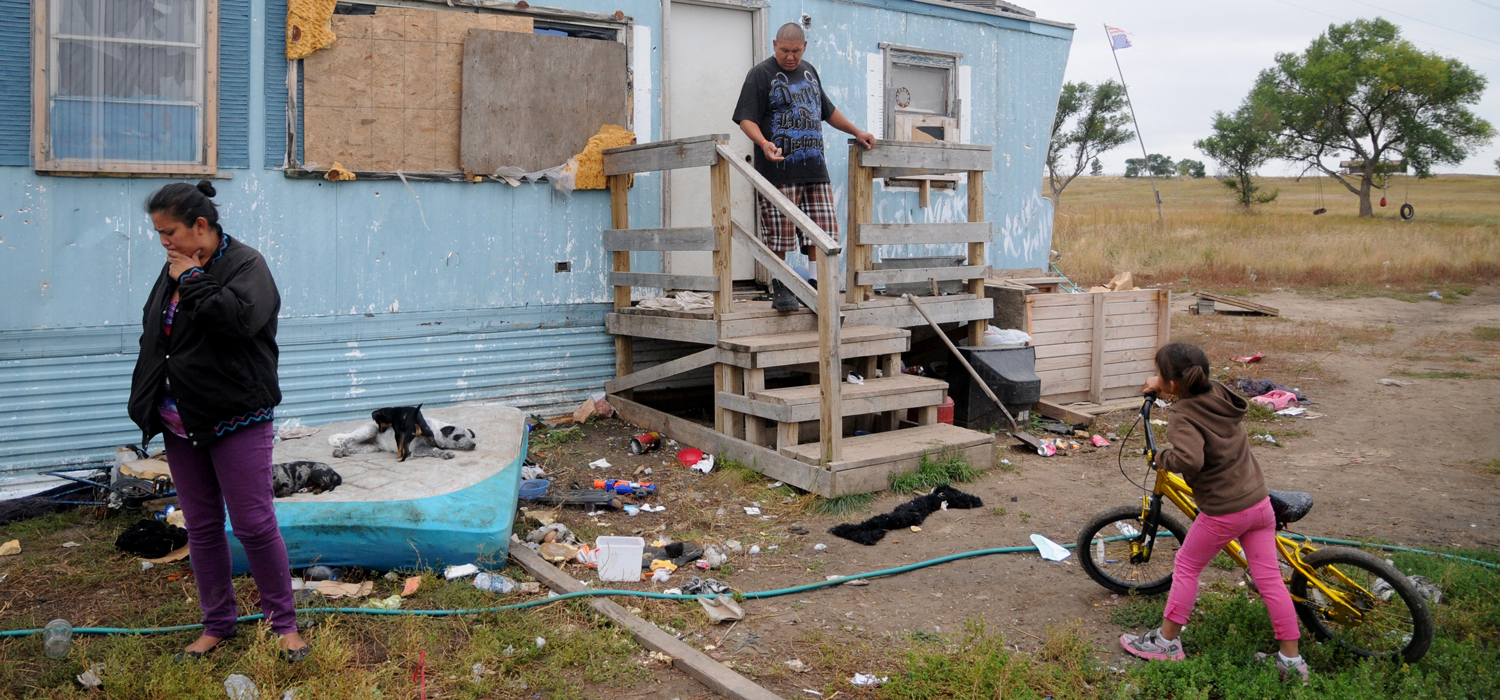
Beyond the majestic landscapes and rich cultural heritage that define Native American reservations lies a stark and often unseen reality: a profound and enduring housing crisis that has plagued these communities for generations. This isn’t merely a matter of comfort; it’s a fundamental issue of health, safety, economic opportunity, and cultural preservation, rooted in centuries of neglect, broken promises, and systemic underfunding. For many, a home on a reservation is not a sanctuary but a crumbling structure, overcrowded and lacking the most basic amenities.
The statistics paint a grim picture. According to the U.S. Department of Housing and Urban Development (HUD), an estimated 68,000 new homes are needed on reservations immediately, with many more requiring substantial renovation or replacement. Overcrowding is rampant, with some estimates suggesting that up to 40% of reservation homes are substandard, meaning they lack adequate plumbing, heating, or are structurally unsound. On some reservations, it’s not uncommon to find multiple generations, sometimes 10-15 people, sharing a small, two-bedroom home, creating conditions that are not only uncomfortable but deeply detrimental to well-being.
A Legacy of Broken Promises and Federal Neglect
To understand the contemporary housing crisis, one must look to its historical foundations. The federal government’s "trust responsibility" to Native American tribes, established through treaties and judicial decisions, mandates the protection of tribal lands, resources, and self-governance. However, this responsibility has been inconsistently applied and chronically underfunded, particularly when it comes to basic infrastructure and housing.
"The federal government made promises to us that they have consistently failed to uphold," says Dr. Sarah Yellowbird, a researcher specializing in Indigenous policy. "These aren’t handouts; these are treaty obligations. When you see a home on a reservation without running water or proper heating, that’s not just poverty; that’s a direct consequence of a nation failing its sacred duties."
In the 19th and 20th centuries, federal policies aimed at assimilation and control led to the forced relocation of tribes onto designated reservation lands, often remote and resource-poor. These lands were then held in "trust" by the government, creating a complex jurisdictional maze that complicates development and private investment to this day. Without clear title or easy access to conventional mortgages, tribal members struggle to secure financing for homeownership or construction, trapping them in cycles of substandard housing.
The Harsh Realities: Overcrowding, Dilapidation, and Lack of Infrastructure
The impact of this historical neglect manifests in shocking ways across Indian Country:
-
Extreme Overcrowding: The average reservation home houses 3.6 people, compared to the national average of 2.6, but this figure masks far more severe situations. On the Pine Ridge Indian Reservation in South Dakota, for example, it’s not unusual for 17 or more people to live in a house designed for a single family. This leads to increased spread of infectious diseases, lack of privacy, stress, and difficulty for children to study.
-
Dilapidated Structures: Many homes on reservations were built decades ago, often with low-quality materials, and have received minimal maintenance. Mold and mildew are pervasive due to poor ventilation and leaks, leading to severe respiratory issues, especially among children and the elderly. Lead paint, asbestos, and faulty electrical wiring are common hazards. The lack of proper insulation means homes are freezing in winter and stifling in summer, driving up already high energy costs.

-
Lack of Basic Utilities: Perhaps the most egregious aspect of the crisis is the staggering number of homes without access to basic utilities. On the vast Navajo Nation, the largest reservation in the U.S., an estimated 15,000 families – nearly a third of the population – still lack access to running water and indoor plumbing. This forces residents to haul water, often for miles, from communal wells or unregulated sources, impacting hygiene, health, and daily life. Similarly, many homes lack electricity, relying on expensive and often dangerous generators or going without power entirely. Internet access, a necessity in the modern world, remains a distant dream for many.

Economic Barriers and Jurisdictional Hurdles
The economic landscape on many reservations exacerbates the housing crisis. High unemployment rates, limited economic development opportunities, and low per capita incomes mean that many tribal members simply cannot afford adequate housing, even if it were available. The median household income on some reservations can be less than half the national average.
Furthermore, the "trust land" status, while intended to protect tribal lands, creates significant barriers. Because land is held in trust by the federal government, tribal members typically cannot own land in fee simple. This complicates the process of securing conventional mortgages, as banks are hesitant to lend against property that cannot be easily foreclosed upon. While tribal housing authorities exist and federal programs like HUD’s Native American Housing Assistance and Self-Determination Act (NAHASDA) provide some funding, it is consistently and severely underfunded.
"NAHASDA is a critical piece of legislation, but it’s never been funded to the level needed," explains a HUD-ONAP (Office of Native American Programs) official. "The needs are so immense, and the existing housing stock is so poor, that the current funding barely scratches the surface of the problem." In fact, NAHASDA funding has seen cuts and stagnation over the years, despite inflation and growing needs.
The Human Toll: Health, Education, and Cultural Impact
The consequences of inadequate housing ripple through every aspect of life on reservations:
- Health: Overcrowding facilitates the rapid spread of infectious diseases like tuberculosis, influenza, and COVID-19. Mold and poor air quality lead to chronic respiratory illnesses, particularly asthma, which is significantly higher among Native American children. The lack of clean water and sanitation contributes to gastrointestinal diseases and other health problems. Mental health also suffers, with stress, anxiety, and depression linked to living in unsafe and undignified conditions.
- Education: Children living in overcrowded homes often lack a quiet space to study, impacting their academic performance and future opportunities. Frequent moves due to housing instability further disrupt education.
- Cultural Preservation: Traditional practices often involve extended family living arrangements, but the extreme overcrowding experienced today is not a healthy reflection of this. The stress and instability undermine family cohesion and the ability to pass on cultural knowledge effectively.
- Economic Development: The lack of basic infrastructure like roads, water, and internet connectivity makes it incredibly difficult to attract businesses or create jobs on reservations, perpetuating the cycle of poverty.
Pathways to Progress: Tribal Sovereignty and Federal Responsibility
Despite the daunting challenges, tribal nations are not passively waiting for solutions. Many tribes have established their own housing authorities, developing innovative strategies tailored to their unique cultural and environmental contexts. Some are exploring sustainable building practices, utilizing local materials, and designing homes that are culturally appropriate and energy-efficient.
- Tribal Initiatives: The Santo Domingo Pueblo in New Mexico, for example, has developed a model where tribal members contribute labor to build their own homes, fostering community ownership and reducing costs. The Oglala Lakota Housing Authority on Pine Ridge has partnered with various organizations to bring new housing solutions, including modular homes, to address their severe shortage.
- Increased Funding and Policy Reform: Advocates consistently call for significantly increased and sustained federal funding for NAHASDA and other housing and infrastructure programs. Beyond funding, there is a need for policy changes that streamline development on trust lands, making it easier for tribes to access capital and build necessary infrastructure.
- Infrastructure Investment: The recent Bipartisan Infrastructure Law included some funding for tribal water, broadband, and transportation projects, a welcome but still insufficient step towards addressing decades of underinvestment.
The housing crisis on Native American reservations is a profound humanitarian issue, a testament to unfulfilled promises and systemic inequities. It demands immediate, sustained, and collaborative action from the federal government, tribal nations, and the broader society. Recognizing and rectifying this silent crisis is not just an act of charity; it is a moral imperative and a crucial step towards upholding justice, fostering self-determination, and ensuring a dignified future for Native American communities. Until every family on every reservation has access to a safe, healthy, and culturally appropriate home, the nation’s trust responsibility remains unfulfilled.


