
Beyond the Gavel: Indigenous Visions of Justice in Native America
For many, the concept of justice evokes images of gavels, courtrooms, and an adversarial system designed to determine guilt and assign punishment. But for Native American communities, justice is a far more profound and intricate tapestry, woven from centuries of tradition, spiritual teachings, and an enduring struggle against systemic oppression. It is a concept deeply rooted in community, healing, balance, and the interconnectedness of all life – a stark contrast to the often punitive and individualistic Western legal framework that has been forcibly imposed upon them.
To understand Native American perspectives on justice is to embark on a journey through history, examining the foundational injustices that shaped a continent, and witnessing the ongoing resilience of sovereign nations striving to reclaim their inherent right to self-determination and holistic well-being. It is a story of profound trauma, persistent advocacy, and an unwavering commitment to restoring harmony, not merely enforcing law.
The Echoes of Erasure: A Foundation of Injustice
The very foundation of the United States was built upon a monumental injustice: the dispossession, displacement, and systematic decimation of Indigenous peoples. From the earliest colonial encounters, European legal concepts were used to justify the seizure of land and resources, often in direct violation of treaties signed in good faith. The infamous doctrine of "discovery" declared lands terra nullius – empty land – despite thriving Indigenous societies.
This historical trauma is not relegated to dusty textbooks; its echoes resonate powerfully in contemporary Native American communities. Policies like the Indian Removal Act of 1830, which led to the forced relocation of countless tribes along the Trail of Tears, and the Dawes Act of 1887, which broke up communal lands into individual allotments to destroy tribal structures, systematically undermined Indigenous self-governance and traditional ways of life. Perhaps most insidious were the Indian boarding schools, a policy explicitly designed to "Kill the Indian, Save the Man" by forcibly removing children from their families, suppressing their languages and cultures, and often subjecting them to horrific abuse. These acts were not merely legal infractions; they were spiritual assaults, severing the deep bonds between people, land, and cultural identity.
Against this backdrop, the Western justice system was not perceived as an impartial arbiter, but as an instrument of colonization, designed to control and assimilate. It failed to recognize Indigenous sovereignty, traditional governance, or the sophisticated legal systems that had existed for millennia.
Traditional Justice: A Holistic Paradigm
Before European contact, diverse Native American nations possessed highly developed and nuanced justice systems, often centered around principles that Western societies are only now beginning to explore under the umbrella of "restorative justice." These systems prioritized healing, reconciliation, and the restoration of balance within the community and with the natural world.
Unlike the Western emphasis on individual guilt and punishment, traditional Indigenous justice focused on addressing the harm caused, repairing relationships, and preventing future transgressions through communal involvement. For many tribes, concepts like "peacemaking circles" or "sentencing circles" were central. In these circles, victims, offenders, elders, and community members would gather to discuss the harm, share their perspectives, and collectively determine how to make things right. The goal was not to ostracize or incarcerate the offender, but to reintegrate them into the community, often through acts of restitution, community service, or spiritual guidance.
As Dr. Robert Yazzie, former Chief Justice of the Navajo Nation Supreme Court, has often articulated, Navajo common law (Diné bi beenahaz’áanii) emphasizes hózhóójí naat’áanii, which can be translated as "peacemaking through beauty and harmony." It seeks to restore hózhó, a state of balance and harmony, when it has been disrupted by an offense. This involves confronting the harm, taking responsibility, and working towards a resolution that benefits everyone. The focus is on the entire web of relationships affected, not just the two parties directly involved.
These traditional systems understood that an offense against one person was an offense against the entire community and, often, against the natural and spiritual world. Justice, therefore, was a collective responsibility, aimed at restoring the equilibrium of the whole.
The Clash of Systems: Jurisdictional Labyrinths
The imposition of federal and state laws upon tribal lands created a complex and often contradictory jurisdictional labyrinth, severely limiting tribal nations’ ability to exercise their inherent sovereignty and administer justice effectively. Laws like the Major Crimes Act of 1885 removed jurisdiction over serious crimes committed on tribal lands from tribal courts and placed it within the federal system, a direct assault on tribal self-governance. Public Law 280, enacted in 1953, further complicated matters by transferring criminal and civil jurisdiction over certain tribal lands to specific states without tribal consent, often leading to inadequate law enforcement and a diminished sense of justice for Native victims.
This jurisdictional patchwork means that a crime committed on tribal land might be prosecuted by the tribe, the state, or the federal government, depending on the nature of the crime, the tribal affiliation of the perpetrator and victim, and the specific geographic location. This ambiguity has critical and often tragic consequences.


Contemporary Challenges: Justice Denied
The historical and jurisdictional complexities manifest in profound contemporary challenges for Native American communities, often resulting in a severe lack of justice.
Missing and Murdered Indigenous Women (MMIW): This ongoing epidemic is a stark and heartbreaking illustration of justice denied. Indigenous women are murdered at a rate ten times higher than the national average, and often face disproportionately high rates of violence. A report by the Urban Indian Health Institute found that in 2016, there were 5,712 cases of missing and murdered Indigenous women and girls, but only 116 of these were logged in the Department of Justice’s federal missing persons database. This staggering disparity highlights a systemic failure to investigate, prosecute, and provide justice for Native victims. The MMIW movement has brought critical attention to the issues of jurisdictional gaps, inadequate law enforcement response, and systemic racism that allows these crimes to go unpunished and largely unnoticed by mainstream society.
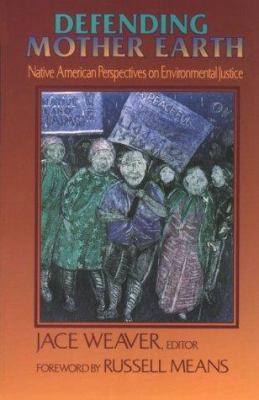
Environmental Justice: Native American communities have long been at the forefront of environmental justice struggles, fighting to protect their sacred lands and vital resources from corporate exploitation and pollution. The Dakota Access Pipeline (DAPL) protests at Standing Rock, North Dakota, brought global attention to the fight against resource extraction projects that threaten Indigenous water sources, burial grounds, and cultural heritage. For many tribes, the land is not merely property; it is a living relative, a source of identity, spirituality, and sustenance. Threats to the land are therefore threats to the very fabric of their existence, and the fight for environmental protection is inherently a fight for justice.
Systemic Racism and Over-incarceration: Native Americans are disproportionately represented in the U.S. criminal justice system, facing higher rates of arrest, conviction, and incarceration than their non-Native counterparts. This is often linked to historical trauma, poverty, inadequate legal representation, and racial bias within law enforcement and judicial processes. The Western system, focused on punishment, often fails to address the root causes of crime within these communities, perpetuating a cycle of injustice.
Reclaiming Sovereignty: A Path Towards Healing
Despite these immense challenges, Native American nations are actively reclaiming their sovereignty and working to rebuild and strengthen their own justice systems, often integrating traditional practices with modern legal frameworks. This pursuit of self-determination is central to their vision of justice.
Many tribes now operate their own tribal courts, law enforcement agencies, and detention facilities. These tribal justice systems are increasingly incorporating elements of restorative justice, such as peacemaking and sentencing circles, healing to wellness courts (which integrate traditional healing practices into drug and alcohol treatment programs), and culturally appropriate victim services. The goal is to provide justice that is not only fair but also culturally relevant and healing for their communities.
A significant step forward in recognizing tribal sovereignty over justice was the 2013 reauthorization of the Violence Against Women Act (VAWA), which included provisions that restored tribal jurisdiction over non-Native perpetrators of domestic violence on tribal lands. This was a crucial victory, as it empowered tribal courts to prosecute individuals who had previously been outside their reach, addressing a critical gap that contributed to the MMIW crisis. Further expansions in 2022 granted tribes jurisdiction over non-Native perpetrators of sexual assault, child abuse, and trafficking.
The Future of Justice: Restoration, Resilience, and Recognition
For Native Americans, justice is not a destination but an ongoing process – a journey towards healing historical wounds, ensuring accountability for present harms, and building a future where their inherent sovereignty is fully recognized and respected. It is about restoring the balance that was shattered by colonization and fostering environments where Indigenous cultures, languages, and spiritual practices can thrive.
True justice, from an Indigenous perspective, demands:
- Full recognition of tribal sovereignty: Empowering tribal nations to govern themselves and administer justice according to their own laws and traditions.
- Restoration of land and resources: Addressing historical land dispossession and ensuring equitable access to and protection of traditional territories.
- Healing of historical trauma: Investing in culturally appropriate mental health and social services that acknowledge and address the intergenerational impacts of colonization.
- Accountability for past and present harms: Investigating and prosecuting crimes against Indigenous peoples, particularly in cases like MMIW, and confronting systemic racism within the justice system.
- Promotion of traditional justice practices: Supporting and expanding the use of restorative justice models that prioritize healing, reconciliation, and community well-being.
- Education and understanding: Fostering a greater understanding among non-Native populations about Indigenous histories, cultures, and legal perspectives.
The Native American vision of justice offers a profound alternative to the often-flawed Western model. It reminds us that justice is not merely about punishment, but about the intricate web of relationships, the health of a community, and the profound connection between people and the land. As tribal nations continue to assert their rights and revitalize their traditional practices, their perspectives on justice offer invaluable lessons for all societies seeking a more equitable, humane, and harmonious future. It is a vision rooted in resilience, wisdom, and an unwavering belief in the power of healing and collective well-being.


