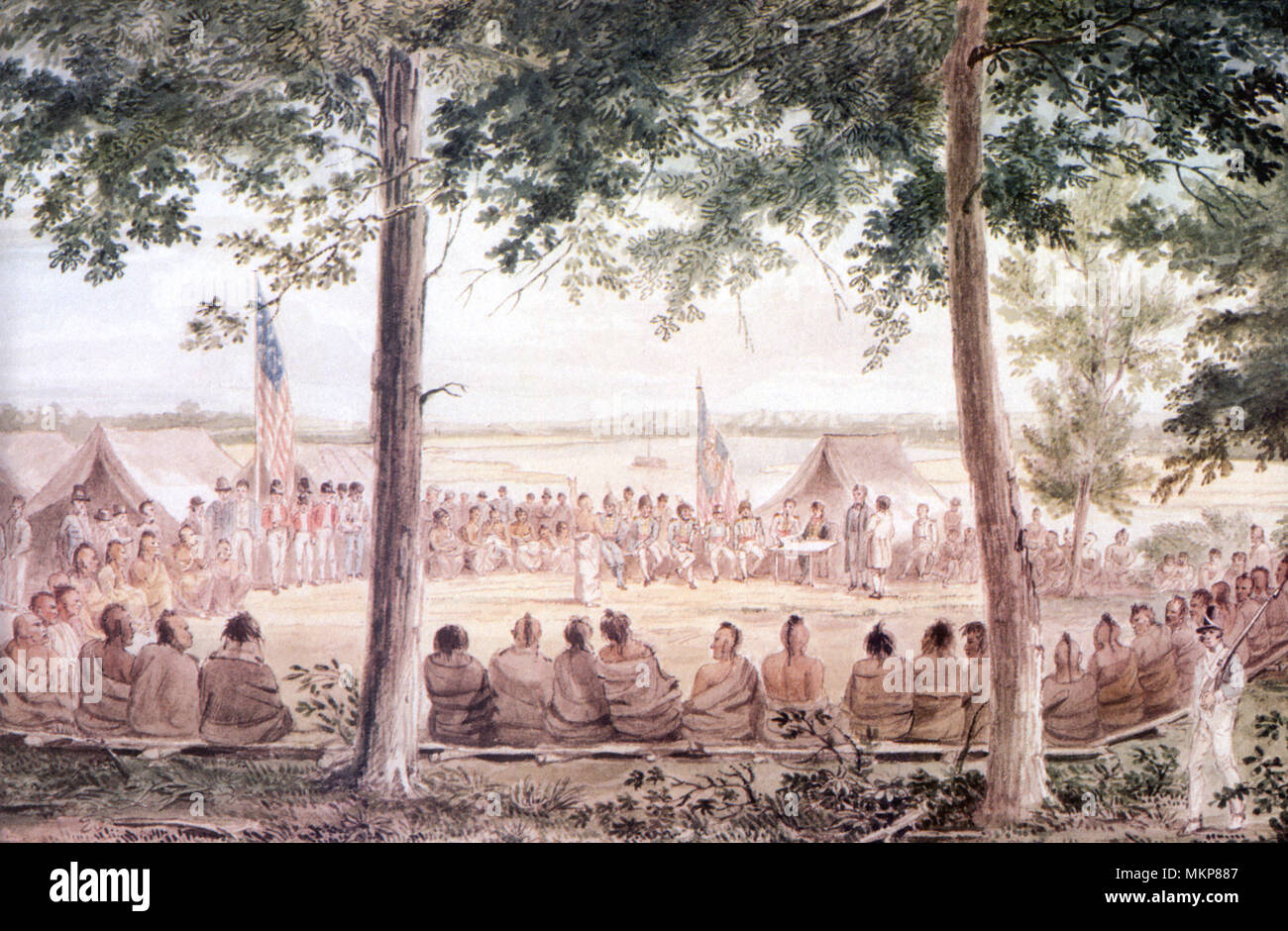

Guardians of Sovereignty: The Pivotal Role of Councils in Indigenous Decision-Making
In the intricate tapestry of Indigenous self-governance, councils stand as both the historical bedrock and the dynamic fulcrum of decision-making. Far from being mere administrative bodies, these councils—whether rooted in ancient traditions or adapted to modern legislative frameworks—embody the inherent sovereignty, cultural resilience, and collective aspirations of Indigenous peoples worldwide. Their role is multifaceted, navigating the complexities of internal community needs, external political pressures, and the enduring legacy of colonialism, all while striving to uphold the unique identities and futures of their nations.
The concept of collective decision-making is deeply ingrained in Indigenous cultures, long predating colonial contact. Traditional governance structures varied widely, from the Great Law of Peace of the Haudenosaunee Confederacy, which influenced early democratic thought, to the consensus-based systems of many Plains Nations and the clan-based leadership of coastal communities. These systems were often guided by elders, spiritual leaders, and hereditary chiefs, whose authority was derived from wisdom, experience, and the consent of the people, not imposed power. Decisions were made through careful deliberation, respect for diverse perspectives, and a profound understanding of interconnectedness—with the land, with community members, and with future generations.
The arrival of European colonizers, however, dramatically disrupted these sophisticated systems. Colonial powers, seeking to dismantle Indigenous self-governance and assimilate Indigenous peoples, often imposed foreign administrative structures. In Canada, the Indian Act of 1876, for example, unilaterally replaced traditional leadership with elected band councils, dictating their powers, electoral processes, and even their physical locations. These imposed councils were designed to be extensions of colonial authority, not instruments of Indigenous sovereignty. Their primary function became administering federal policies, often against the best interests of their own communities, leading to an enduring tension between imposed structures and inherent self-determination.
Today, contemporary Indigenous councils operate within this complex legacy, often striving to reclaim and revitalize traditional governance while simultaneously navigating the demands of modern administration. Their roles can be broadly categorized into several critical areas:
1. Governance and Administration:

At its most fundamental level, an Indigenous council acts as the government for its community or nation. This involves a vast array of administrative responsibilities, including managing budgets, allocating resources, overseeing essential services such as healthcare, education, housing, and infrastructure (roads, water, sanitation). They are responsible for developing and implementing local laws and policies, ensuring accountability to their constituents, and maintaining records. This administrative burden is often carried out with significantly less funding and capacity than non-Indigenous municipalities, a direct consequence of historical underfunding and systemic inequities.

2. Cultural Preservation and Revitalization:
Beyond administrative duties, Indigenous councils are vital custodians of culture, language, and traditional knowledge. Many councils actively support initiatives for language immersion programs, cultural ceremonies, traditional arts, and storytelling. They often work to incorporate traditional values and protocols into modern governance practices, ensuring that decisions are not only administratively sound but also culturally appropriate and reflective of community identity. "Our elders remind us that true governance is not just about rules, but about living in harmony with our teachings," states one Indigenous leader, underscoring the deep cultural mandate of these bodies. This commitment to cultural continuity is a powerful act of resistance against assimilation and a cornerstone of self-determination.
3. Resource Management and Land Stewardship:
Indigenous councils play a critical role in managing and protecting traditional territories and natural resources. This includes overseeing economic development projects, negotiating land claims and resource-sharing agreements with governments and corporations, and developing environmental protection strategies. Guided by ancestral knowledge and an inherent connection to the land, councils often advocate for sustainable practices, balancing economic opportunities with ecological preservation and the long-term well-being of their communities. The inherent right to self-determination over lands and resources is a constant battle, with councils often at the forefront of legal challenges and advocacy efforts to protect treaty rights and customary land use.
4. Advocacy and External Relations:
Indigenous councils are the primary representatives of their communities in interactions with external governments, industries, and other Indigenous nations. They advocate for their rights, interests, and aspirations on a provincial, national, and international stage. This includes negotiating treaties, asserting inherent rights, lobbying for policy changes, and engaging in nation-to-nation dialogues. The capacity to effectively engage in these complex negotiations often requires significant legal expertise, strategic planning, and the ability to articulate community priorities clearly and forcefully.
5. Justice and Conflict Resolution:
Many Indigenous councils are actively involved in developing and implementing their own justice systems, often blending customary law with contemporary practices. This can include restorative justice initiatives, community-based policing, and traditional dispute resolution mechanisms that prioritize healing, reconciliation, and community well-being over punitive measures. These systems aim to address the root causes of conflict, reduce incarceration rates, and restore balance within the community, often reflecting a holistic approach to justice distinct from colonial legal frameworks.


Challenges and Evolving Dynamics:
Despite their pivotal role, Indigenous councils face formidable challenges. The legacy of colonialism continues to cast a long shadow, manifesting in chronic underfunding, limited jurisdictional authority, and externally imposed administrative burdens. Many councils grapple with insufficient resources to address pressing community needs in housing, health, and education. Furthermore, the imposed electoral systems often create internal political divisions, sometimes pitting traditional governance advocates against those operating within the imposed structures.
Internal dynamics can also be complex. Councils must balance the wisdom of elders with the aspirations of youth, ensure gender equity, and address the diverse needs of their community members. Issues of transparency, accountability, and effective communication are paramount for maintaining trust and legitimacy. "The weight of expectation is immense," notes a former band councilor. "You’re constantly balancing the urgent needs of today with the long-term vision for seven generations."
Innovations and the Path Forward:
Amidst these challenges, Indigenous councils are demonstrating incredible resilience and innovation. Many are actively engaged in nation-building processes, developing their own constitutions, legal codes, and self-government agreements that reflect their unique cultural values and aspirations. There’s a growing movement to blend traditional governance principles with modern administrative practices, creating hybrid systems that are both effective and culturally authentic.
The increasing involvement of youth and women in leadership roles is transforming council dynamics, bringing fresh perspectives and renewed energy. Capacity-building initiatives, focusing on governance training, financial management, and legal expertise, are empowering councils to more effectively assert their jurisdiction and manage their affairs. Furthermore, strategic partnerships with other Indigenous nations, academic institutions, and non-Indigenous governments are opening new avenues for resource sharing, advocacy, and collaborative problem-solving.
For instance, the Tla’amin Nation in British Columbia, Canada, successfully transitioned from the Indian Act to self-governance under its own constitution in 2016, establishing a council with broader powers over land, resources, and social services. This is a powerful example of a council evolving to fully embody its inherent sovereignty, making decisions that are truly by and for its people. Similarly, the Nisga’a Nation, also in British Columbia, achieved a modern treaty and self-government agreement in 2000, allowing its government, including its council, to exercise powers akin to a provincial government, directly impacting areas like education, health, and resource management within its territory.
Conclusion:
The role of councils in Indigenous decision-making is more than administrative; it is an affirmation of identity, a declaration of self-determination, and a commitment to the future. These bodies stand at the intersection of ancient wisdom and contemporary challenges, tasked with protecting cultural heritage, managing resources, advocating for rights, and delivering essential services. While the shadows of colonial imposition linger, Indigenous councils are increasingly reclaiming their inherent authority, adapting, innovating, and building robust governance structures that genuinely reflect the will and values of their people. Their continued evolution is not just vital for the well-being of Indigenous communities, but also for the broader project of reconciliation and the fostering of truly equitable and respectful nation-to-nation relationships. As the world increasingly recognizes the profound wisdom embedded in Indigenous worldviews, the decisions made within these council chambers offer invaluable lessons for sustainable living, collective well-being, and genuine democratic practice.


