

The Woven Tapestry of Spirit: Native American Perspectives on Beauty
In a world often fixated on fleeting trends and superficial aesthetics, the concept of beauty among Native American peoples offers a profound counter-narrative. Far from a mere visual appraisal, Indigenous perspectives on beauty are deeply interwoven with spirituality, community, land, and the very essence of existence. It is a holistic understanding, where beauty is not just seen but felt, experienced, and lived – a dynamic state of being in harmony with all relations. To truly grasp this rich tapestry is to look beyond the surface, into the heart of cultures that define beauty as balance, purpose, and a sacred connection to the world around them.
The immediate challenge in discussing "Native American beauty" is the inherent diversity of over 574 federally recognized tribes in the United States alone, each with unique languages, customs, and spiritual beliefs. There is no single "Native American" perspective, but rather a spectrum of shared principles and distinct expressions. However, common threads emerge, emphasizing a beauty that is earned, embodied, and inextricable from one’s actions, character, and relationship to the natural world.
One of the most widely recognized concepts that encapsulates this holistic view is the Diné (Navajo) philosophy of Hózhó. Often translated as "walking in beauty," Hózhó is far more expansive, encompassing balance, harmony, health, and order. It is the pursuit of living in a state of grace, where one’s thoughts, words, and actions contribute to the beauty and equilibrium of the universe. A person living in Hózhó is not merely physically attractive; they embody a spiritual and ethical beauty that radiates outward, impacting their family, community, and environment. As the Diné Blessingway prayer concludes, "In beauty it is finished. In beauty it is finished." This signifies the ultimate state of balance and completeness.
Beyond the Physical: Beauty as a Way of Being
For many Indigenous cultures, physical attractiveness, while acknowledged, is secondary to the beauty of one’s character and spirit. Virtues such as generosity (wolakota in Lakota), humility, wisdom, courage, integrity, and humor are considered the true hallmarks of a beautiful person. An elder’s face, etched with lines of experience and wisdom, is often seen as profoundly beautiful, reflecting a life lived with purpose and dignity. The generosity of a person who shares their last meal, the resilience of one who endures hardship with grace, or the patience of a storyteller passing on traditions – these are the manifestations of inner beauty that resonate deeply.

"Beauty is not in the eye of the beholder; it is in the heart of the community," a common Indigenous sentiment, underscores this collective understanding. An individual’s beauty is often measured by their contributions to the well-being of their people and the natural world. Acts of service, kindness, and upholding cultural traditions are acts of beauty, reinforcing the interconnectedness of all life.
Adornment: A Language of Identity, Spirit, and Place
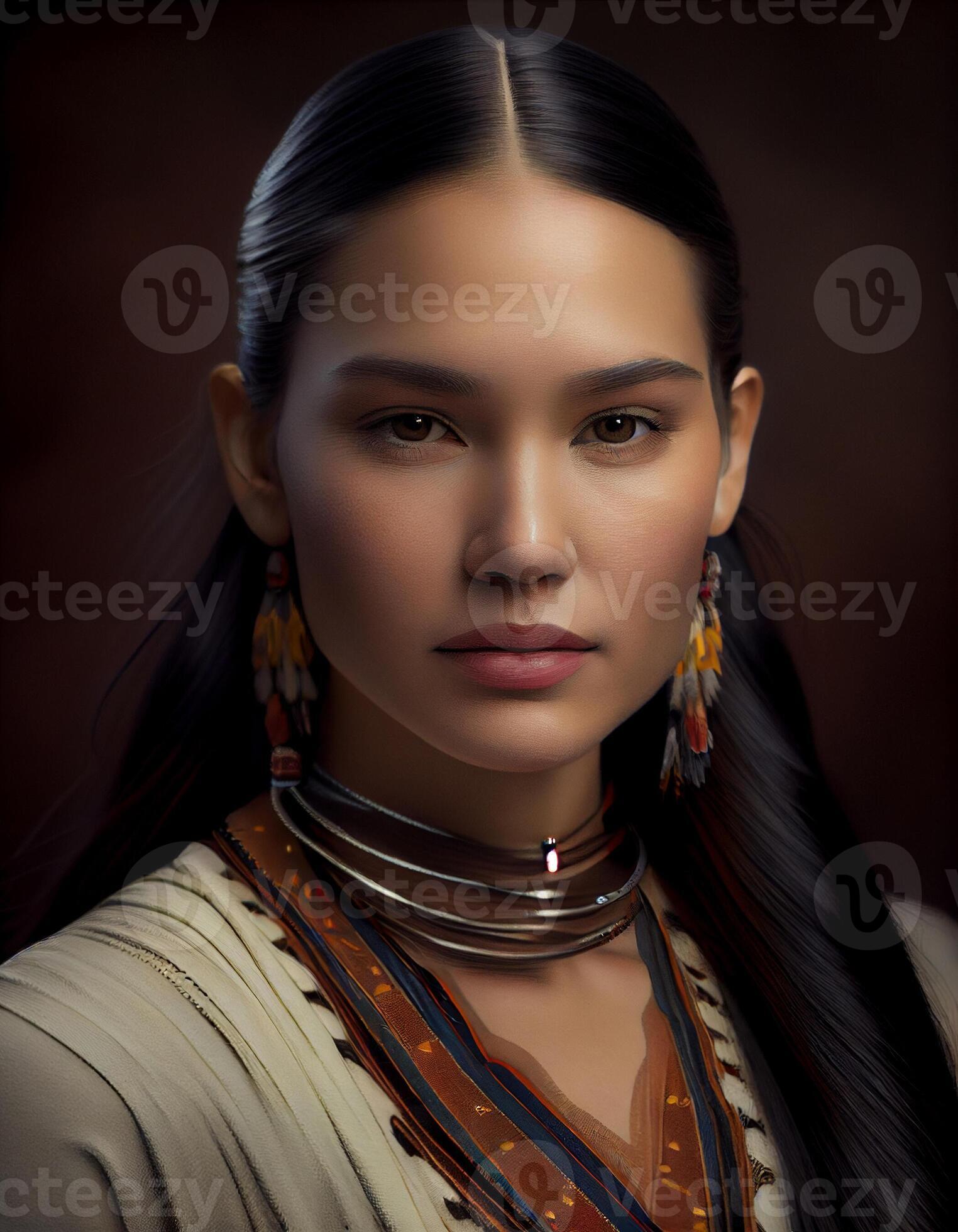
While inner beauty is paramount, outward adornment holds immense cultural and spiritual significance, far transcending mere decoration. Traditional clothing, jewelry, hairstyles, and body art are powerful expressions of identity, status, spirituality, and connection to one’s lineage and land.
- Hair: For many tribes, hair is considered sacred, a physical manifestation of one’s thoughts and spiritual power. Long, braided hair, often adorned with feathers or beads, is a sign of respect, wisdom, and connection to the Creator. Cutting hair traditionally marked periods of mourning or significant life changes.
- Regalia and Clothing: Far from costumes, traditional regalia is a living art form, imbued with meaning. Every stitch, bead, feather, or piece of quillwork tells a story – of family, clan, tribe, accomplishments, and prayers. The materials themselves often carry significance, sourced from the land (animal hides, shells, stones, plants) and prepared with reverence. For instance, the intricate beadwork of the Plains tribes or the vibrant weaving of the Pueblo peoples are not just visually stunning; they are prayers made tangible, carrying the energy and intentions of their creators. Wearing such regalia is an act of honoring ancestors and expressing cultural pride.
- Jewelry: Turquoise, silver, shell, and other natural materials are not simply fashion accessories. Turquoise, for example, is highly revered by many Southwestern tribes, considered a sacred stone with protective and healing properties, symbolizing the sky and water. Each piece of jewelry is often an heirloom, carrying the spiritual essence of its previous wearers and a connection to ancient traditions.
- Body Art: Historically, tattoos and body painting were common among various tribes, serving purposes such as spiritual protection, marking rites of passage, denoting status, or enhancing physical beauty in a culturally specific way. These were not random designs but sacred symbols, often applied in ceremonies.

The Beauty of Creation and Ceremony
The act of creation itself is a beautiful and spiritual practice. Traditional arts like basketry, pottery, weaving, carving, and beadwork are not merely crafts; they are sacred dialogues between the artist, the materials, the ancestors, and the spirit world. The meticulous process, the patience, and the intention embedded in each piece reflect a deep respect for the materials and the stories they carry. A perfectly woven basket, strong and functional, is beautiful not just for its form but for its utility and the wisdom of generations embedded in its technique.
Ceremonies, dances, and songs are perhaps the most potent expressions of Indigenous beauty. They are living prayers, connecting participants to the Creator, the land, and their community. The synchronized movements of a powwow dancer, the haunting melodies of a flute, or the rhythmic pulse of a drum are all expressions of beauty that transcend individual aesthetics, aiming to restore balance, heal, and celebrate life. The beauty here is in the collective participation, the shared experience, and the spiritual upliftment.
Land as the Ultimate Canvas of Beauty
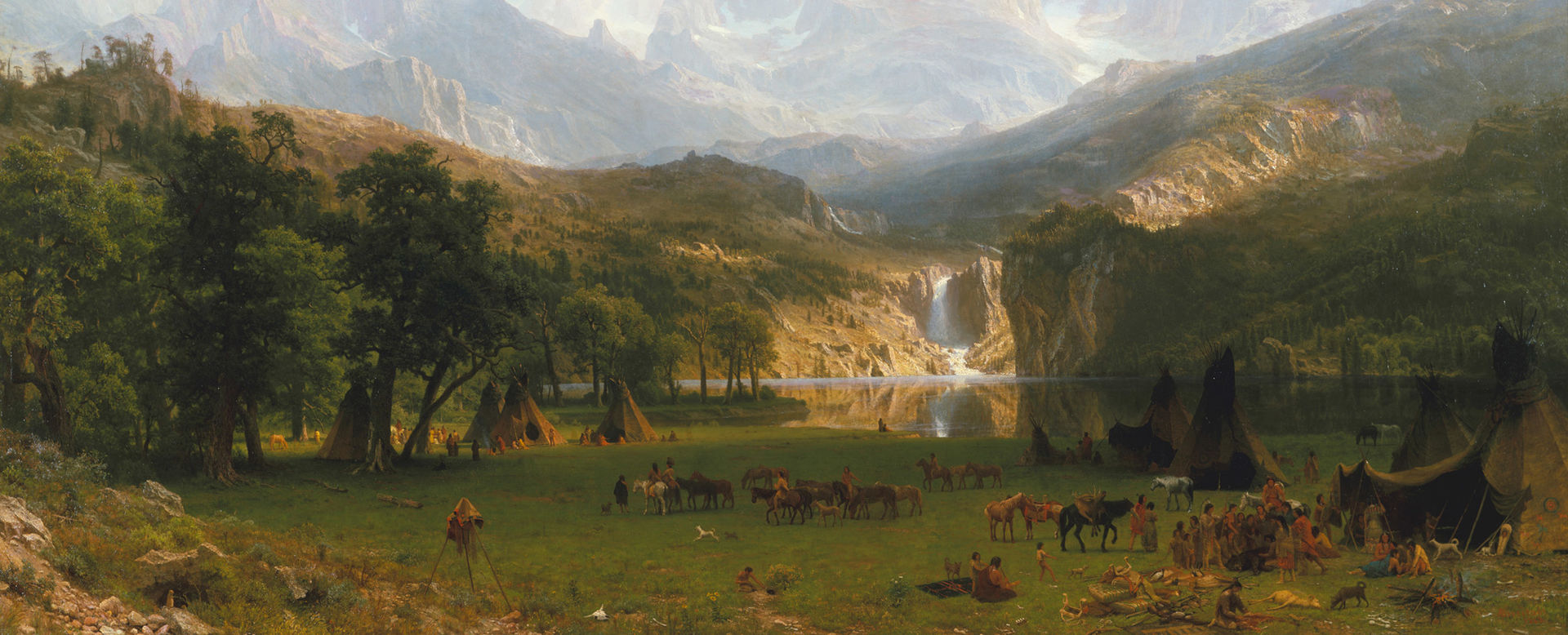
For Native peoples, the land is not merely a resource but a living relative, a source of identity, sustenance, and spiritual power. The beauty of the landscape – the mountains, rivers, forests, deserts, and skies – is intrinsically linked to personal and cultural beauty. To care for the land, to live in harmony with its cycles, is to live beautifully. Destruction of the land is a destruction of beauty, both physical and spiritual. This profound connection is why land stewardship and environmental protection are often seen as sacred responsibilities. The "Seven Generations" principle, common among many tribes, which considers the impact of present decisions on the next seven generations, is a beautiful embodiment of long-term vision and responsibility.
Challenging the Western Gaze and Appropriation
It is crucial to acknowledge that Indigenous perspectives on beauty have often been misunderstood, romanticized, or appropriated by mainstream Western culture. The "Indian princess" stereotype, the exoticization of Native women, or the commercialization of sacred symbols like dreamcatchers or feather headdresses, strip these deeply meaningful concepts of their spiritual context and reduce them to superficial commodities. This cultural appropriation is not only disrespectful but also actively harmful, perpetuating stereotypes and obscuring the true depth of Indigenous beauty.
True appreciation requires understanding, respect, and a willingness to learn from Indigenous voices themselves. It means recognizing the sovereignty of Native nations to define their own beauty, free from external impositions.
Resilience and Reclamation
Despite centuries of colonial efforts to suppress Indigenous cultures, these rich perspectives on beauty have endured and are experiencing a powerful resurgence. Native artists, designers, storytellers, and elders are actively reclaiming and revitalizing traditional aesthetics, language, and ceremonies. They are sharing their unique understandings of beauty with the world, not just as relics of the past but as living, evolving traditions that offer profound insights for contemporary life. From the runways of global fashion featuring Indigenous designers to the grassroots efforts to teach traditional languages and arts, Native peoples are powerfully asserting their right to define and celebrate their own beauty on their own terms.
In conclusion, Native American perspectives on beauty are a testament to the enduring power of culture, spirit, and connection. It is a beauty that emanates from within, radiating through character, action, and a profound relationship with the land and community. It is a beauty that is not static but alive, a continuous journey of living in balance and harmony. To truly appreciate this beauty is to embark on a journey of learning, respect, and a deeper understanding of what it means to be fully human, walking in beauty, every step of the way.


