Echoes of Time: The Enduring Historical Power of Native American Oral Traditions
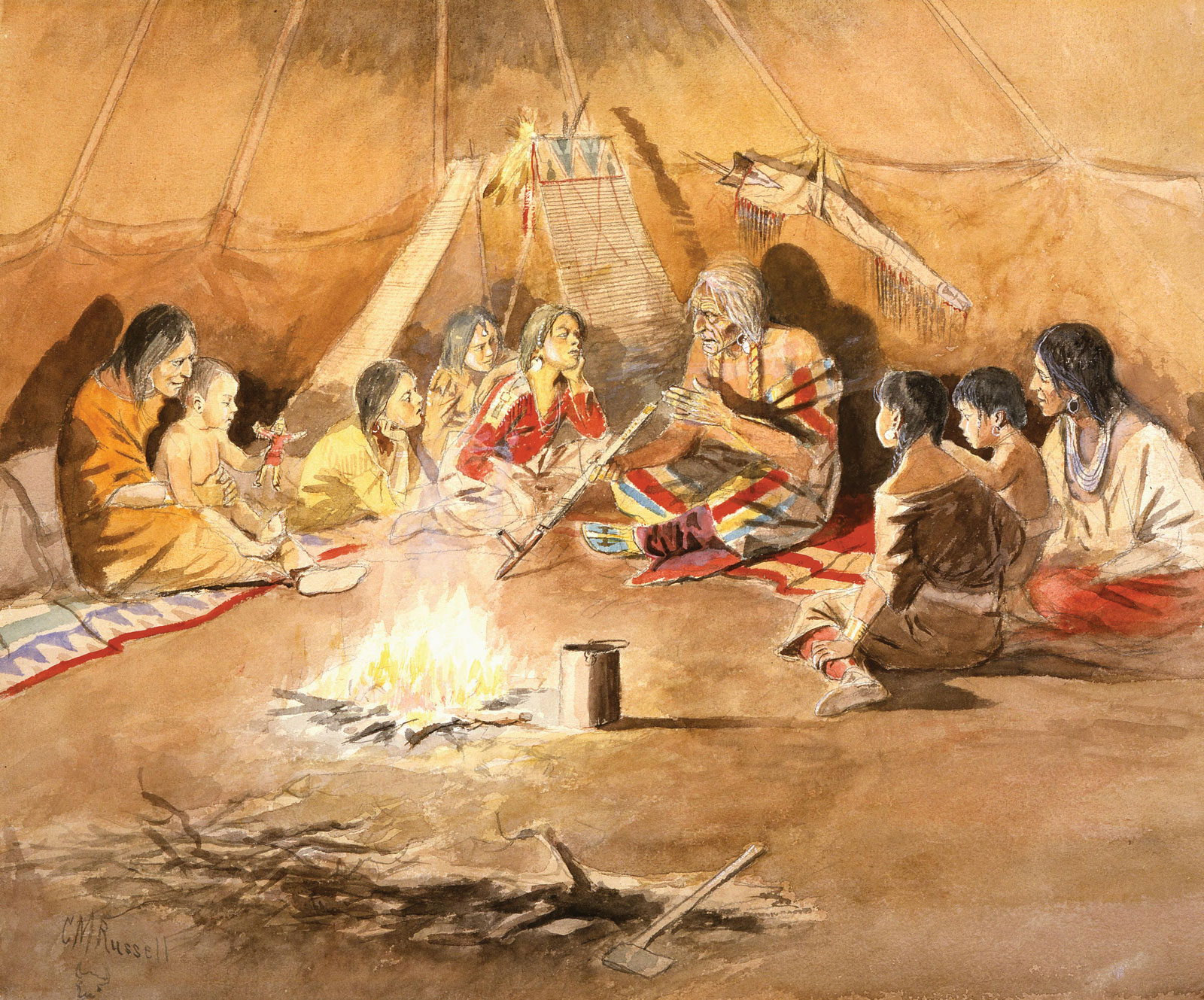
In the flickering firelight of countless generations, long before the scratch of pen on parchment, history was a living, breathing entity. It resonated in the cadence of a storyteller’s voice, in the rhythm of a drum, and in the collective memory of a people. For the Indigenous nations of North America, oral traditions were not merely quaint tales or spiritual myths; they were the very bedrock of their historical understanding, their governance, their scientific knowledge, and their cultural identity. In an age dominated by written records, understanding the profound historical importance of these unwritten chronicles is crucial to appreciating the richness and resilience of Native American cultures.
For millennia, the vast tapestry of Native American societies wove knowledge through an intricate system of oral transmission. From the Arctic to the Amazon, across plains, deserts, and forests, elders, shamans, and designated storytellers served as living libraries, entrusted with the sacred duty of preserving and relaying the collective memory. These traditions encompassed far more than just "stories" in the modern sense. They included origin narratives (cosmologies), migration histories, accounts of wars and peace treaties, genealogies, practical knowledge of ethnobotany and astronomy, legal codes, ethical frameworks, and spiritual teachings. Every story was a lesson, every song a prayer, every myth a historical record, meticulously passed down and collectively validated.
One of the most compelling examples of oral tradition’s historical efficacy is the Great Law of Peace (Kaianere’kó:wa) of the Haudenosaunee (Iroquois) Confederacy. This complex political constitution, which united the Mohawk, Oneida, Onondaga, Cayuga, and Seneca nations, was transmitted orally for centuries before it was ever committed to writing. It detailed a sophisticated system of representative government, checks and balances, and consensus-building that profoundly influenced the drafting of the United States Constitution. Benjamin Franklin, Thomas Jefferson, and other founding fathers were known to have studied the Haudenosaunee system. The survival of such a complex governmental framework, passed down purely through spoken word and ritual, stands as irrefutable proof of the historical accuracy and structural integrity inherent in robust oral traditions.
The arrival of European colonizers, however, brought with it a profound challenge to this millennia-old system. Europeans, accustomed to written histories, often dismissed oral traditions as "primitive" or "mythological," failing to recognize their historical validity. This bias led to the systematic devaluation and suppression of Indigenous knowledge. Boarding schools, established with the explicit goal of "killing the Indian to save the man," actively forbade Native languages and storytelling, attempting to sever children from their cultural roots and, by extension, their historical understanding. The imposition of written language as the sole legitimate form of historical record-keeping created a deep chasm between Western and Indigenous interpretations of the past.
Yet, despite concerted efforts at cultural erasure, Native American oral traditions endured. They became a bulwark against assimilation, whispered in secret, passed down covertly, and fiercely protected by elders. This resilience highlights another critical aspect of their historical importance: they are not static artifacts but living, adaptive entities. Each retelling, while adhering to core truths, could be subtly recontextualized for new generations, ensuring their continued relevance while maintaining the integrity of the historical narrative.
The historical depth conveyed through oral traditions extends beyond political structures and societal events. They contain vast repositories of ecological knowledge, often referred to today as Indigenous science. Narratives about the land, its animals, plants, and celestial cycles are not just quaint stories; they are detailed historical records of environmental changes, sustainable practices, and survival strategies developed over thousands of years. For instance, the migration patterns of salmon, the efficacy of certain medicinal plants, or the signs of impending weather shifts were encoded in stories and songs, ensuring the community’s well-being and perpetuating a harmonious relationship with the natural world. These traditions offer invaluable insights for contemporary challenges like climate change and biodiversity loss, demonstrating a historical understanding of interconnectedness that Western science is only now beginning to fully appreciate.
Furthermore, oral traditions often hold the key to understanding the deep spiritual and philosophical underpinnings of Native American cultures. Origin stories, for example, do not just recount how a people came to be; they articulate core values, ethical responsibilities, and the very meaning of existence. They tell of sacred relationships with the land, with ancestors, and with the spirit world, providing a historical framework for identity and purpose. As N. Scott Momaday, a Kiowa author, eloquently put it: "We are what we imagine. Our very existence depends on the imagination. Our ultimate good is better than that, for we are to imagine ourselves, and we are to imagine ourselves to be a story." This perspective underscores that for Native Americans, history is not merely a sequence of facts but a narrative that shapes who they are, collectively and individually.
In recent decades, there has been a significant shift in academic and public perception regarding the validity of oral traditions as historical sources. Ethnohistorians and anthropologists now actively engage with Indigenous oral accounts, recognizing their unique insights and ability to fill gaps left by conventional written records. The work of scholars like Jan Vansina, who pioneered the systematic study of oral traditions, has helped establish methodologies for critically analyzing and validating these accounts, demonstrating their rigor and reliability. This paradigm shift acknowledges that historical truth is not solely confined to written documents but can be faithfully preserved and transmitted through sophisticated oral systems.
Today, the historical importance of Native American oral traditions is experiencing a powerful revitalization. Tribal nations are actively working to reclaim, preserve, and teach these traditions to younger generations. Language immersion programs, cultural centers, and digital archives are vital tools in this effort, ensuring that the voices of the ancestors continue to echo into the future. Elders, often the last fluent speakers of their languages and keepers of vast oral libraries, are revered as invaluable resources, sharing their knowledge through storytelling sessions, workshops, and educational initiatives.
This resurgence is not merely an act of cultural preservation; it is a profound act of historical reclamation and healing. By reconnecting with their oral histories, Native American communities are strengthening their identity, fostering pride, and addressing the intergenerational trauma caused by colonial policies. These traditions provide a sense of continuity, resilience, and a blueprint for navigating the complexities of the modern world while remaining anchored in ancient wisdom.
In conclusion, Native American oral traditions are far more than quaint relics of the past; they are dynamic, complex, and deeply historical archives. They represent a sophisticated method of transmitting knowledge, governance, science, and cultural identity across countless generations. From the enduring Great Law of Peace to the intricate ecological wisdom woven into creation stories, these unwritten chronicles offer invaluable insights into the pre-colonial past, the resilience against colonial forces, and the path forward for Indigenous nations. Recognizing their historical importance is not just about understanding Native American cultures; it is about enriching our collective human history, acknowledging diverse forms of knowledge, and honoring the profound wisdom that resonates in the echoes of time. The stories, songs, and teachings of Native America continue to speak, offering vital lessons for all who choose to listen.