
Native American languages are far more than mere communication tools; they are the living repositories of millennia of wisdom, history, cultural identity, and spiritual connection. On reservations across North America, these languages represent a profound link to ancestral lands and traditions, even as they face immense challenges in the modern era.
The story of Native American languages is one of profound resilience amidst a legacy of suppression. Before European contact, the continent was a tapestry of linguistic diversity, with hundreds of distinct languages spoken, each a unique window into the worldviews of its people. These languages were vibrant, evolving, and deeply intertwined with daily life, ceremonies, and oral traditions.
However, the arrival of European colonizers ushered in an era of systematic linguistic erosion. Policies aimed at assimilation, most notably through the forced attendance of Native American children at boarding schools, actively sought to eradicate indigenous languages. Children were often punished for speaking their native tongues, leading to a break in intergenerational transmission that has had devastating long-term effects.
This dark chapter in history resulted in a dramatic decline in the number of fluent speakers for many languages, pushing numerous indigenous languages to the brink of extinction. The trauma associated with these policies continues to impact communities, making revitalization efforts both crucial and complex.
The Role of Reservations in Language Preservation
Reservations, often established under duress, ironically became crucial bastions for the survival of many Native American languages and cultures. While they were initially designed to isolate and control Native peoples, their geographical boundaries inadvertently provided a space where traditional practices, including language, could persist away from the immediate pressures of mainstream society.
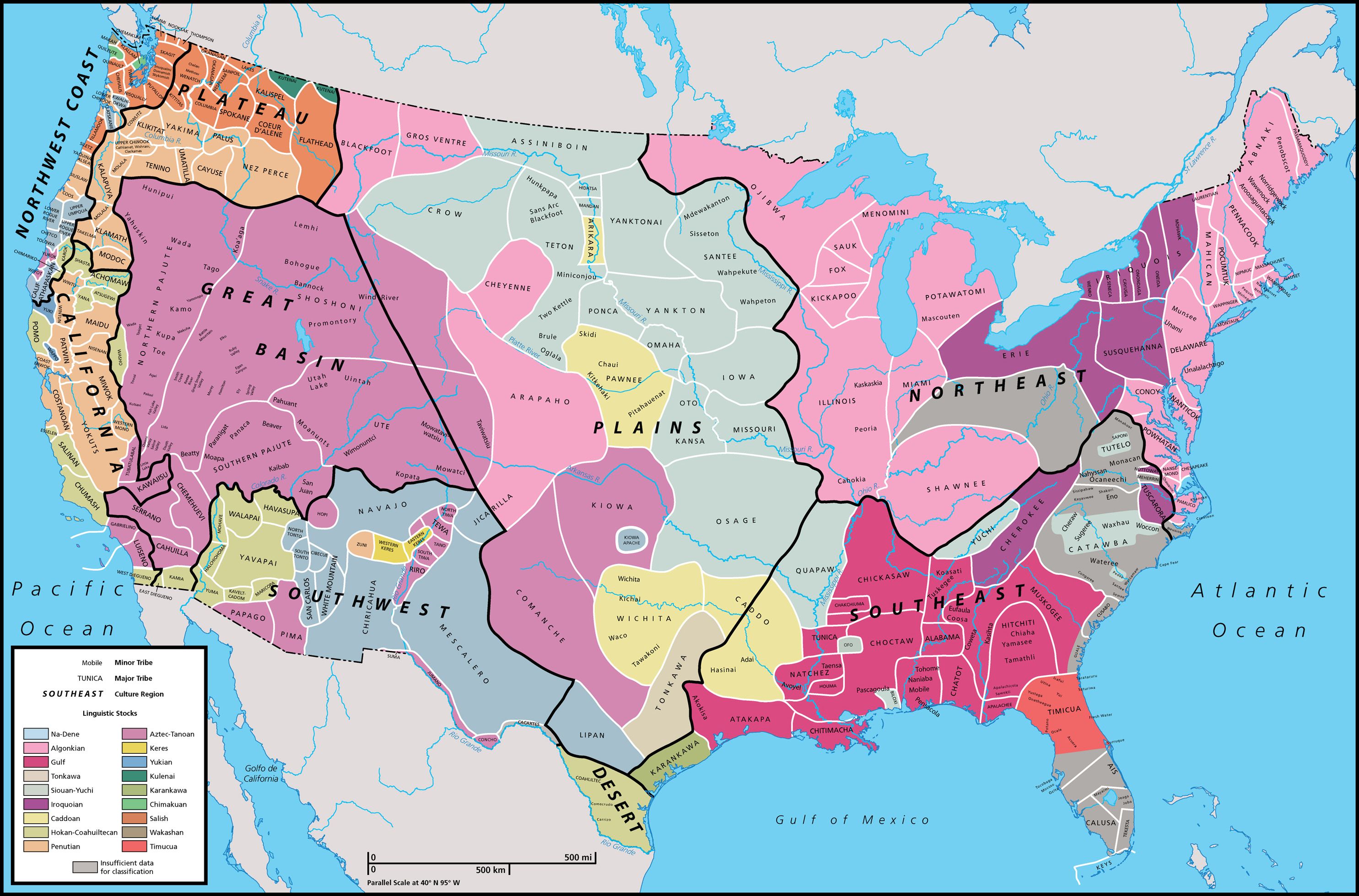
Within these defined territories, communities could maintain a degree of cultural cohesion. For many tribes, the reservation became a place where elders could continue to speak their native languages, passing on stories and knowledge, even if covertly, to younger generations who were less exposed to the assimilationist policies off-reservation.
This concentration of tribal members, despite the historical injustices of their creation, has proven vital for contemporary language revitalization efforts. It provides a community base where language programs can be established, immersion schools can thrive, and cultural events can reinforce linguistic practices.
Current State: A Landscape of Hope and Challenge
Today, the landscape of Native American languages on reservations is a mixture of critical endangerment and inspiring revitalization. While some languages, such as Navajo (Diné Bizaad), boast tens of thousands of speakers, many others have only a handful of elderly fluent speakers, making their survival incredibly precarious.
The Navajo Nation, for example, stands as a prominent success story. Their language has maintained a strong presence, partly due to its historical use as a code during World War II by the Navajo Code Talkers, which brought national recognition and pride. This has fostered a strong commitment to language education within their communities.
Conversely, many smaller tribal languages face an uphill battle. The average age of fluent speakers for numerous languages is over 70, meaning that without immediate and effective intervention, these languages are at risk of being lost forever within a generation or two. This urgent reality underscores the importance of current revitalization initiatives.
Key Challenges to Language Revitalization Efforts
Several significant challenges impede the full resurgence of Native American languages. One primary obstacle is the scarcity of fluent speakers, particularly those who are young enough to effectively teach and mentor new learners. The break in intergenerational transmission caused by historical policies created a gap that is difficult to bridge.
Another formidable challenge is the pervasive influence of English and mainstream media. Modern life, with its constant exposure to English through education, entertainment, and employment, often makes it difficult for younger generations to prioritize learning their ancestral languages, especially when they perceive limited practical utility.

Lack of consistent funding and resources also plagues many tribal language programs. Revitalization requires dedicated teachers, curriculum development, materials, and technological infrastructure, all of which demand substantial financial investment that is not always readily available.
Furthermore, intergenerational trauma and historical injustices can create internal barriers. Some community members may unconsciously associate their native language with past suffering or shame, making it harder to embrace and learn.
Strategies for Preservation and Revitalization on Reservations
Despite these challenges, Native American communities on reservations are employing innovative and dedicated strategies to bring their languages back from the brink.
1. Immersion Schools and Programs: A cornerstone of revitalization, immersion schools teach subjects entirely in the native language, creating a ‘language nest’ environment. From tribal Head Start programs to K-12 immersion academies, these initiatives aim to produce new generations of fluent speakers. Adult language classes also play a vital role, engaging parents and community members.
2. Community-Based Initiatives: Language nests, where young children are cared for by fluent elders speaking only the native language, are highly effective. Mentorship programs pair learners with fluent speakers. Cultural events, ceremonies, and storytelling sessions conducted in the native language reinforce its importance and usage.
3. Leveraging Technology: Technology offers powerful tools for language revitalization. Online dictionaries, language learning apps, digital archives of oral histories, and social media platforms allow for broader access and engagement. Multimedia content like podcasts, videos, and music in native languages helps make learning engaging and accessible to younger audiences.
4. Governmental and Tribal Support: The Native American Languages Act (NALA) of 1990 and subsequent legislation have provided a legal framework and some funding for language preservation. Tribal governments themselves are establishing language departments, developing policies, and allocating resources to support these crucial efforts, asserting their inherent sovereignty over their linguistic heritage.
The Broader Impact of Language Revitalization
The efforts to revitalize Native American languages extend far beyond mere linguistic preservation; they have profound impacts on individuals and communities.
Firstly, language is inextricably linked to cultural identity and pride. Speaking one’s ancestral language strengthens a sense of belonging, connection to heritage, and self-esteem. It reaffirms who they are as a people.
Secondly, it contributes to mental health and well-being. Reconnecting with language can be a healing process, addressing the historical trauma of forced assimilation and fostering a stronger sense of purpose and resilience within communities.
Thirdly, language revitalization is a powerful act of sovereignty and self-determination. By reclaiming and nurturing their languages, tribes assert their right to govern themselves and define their own cultural future, free from external impositions.
Finally, these languages are critical for the preservation of traditional knowledge. Many indigenous languages contain nuanced concepts, ecological understanding, and spiritual wisdom that cannot be fully translated into English. Losing a language means losing an irreplaceable body of knowledge.
Common Questions About Native American Languages on Reservations
How many Native American languages are spoken today? While estimates vary, there are approximately 150-175 indigenous languages still spoken in the United States and Canada, though many have very few speakers. This is a significant decline from the hundreds that existed pre-contact.
What is the most common Native American language? Navajo (Diné Bizaad) is widely considered the most commonly spoken Native American language in the United States, with tens of thousands of speakers, primarily on the Navajo Nation reservation.
Are Native American languages dying out? Many are critically endangered, with a rapidly aging speaker base and limited intergenerational transmission. However, intensive revitalization efforts are showing promising results for some languages, preventing their complete loss.
How are Native American languages being preserved? Through a combination of immersion schools, language nests, adult classes, community mentorship, digital archiving, language apps, and tribal government support, communities are actively working to preserve and revitalize their languages.
Can non-Natives learn these languages? Yes, many tribal language programs and online resources are open to anyone interested in learning. However, it is crucial to approach learning with respect, cultural sensitivity, and an understanding of the language’s deep connection to the indigenous community.
Conclusion: A Future Rooted in Language
The revitalization efforts are not merely about preserving words; they are about strengthening cultural identity, promoting healing, asserting sovereignty, and ensuring that the echoes of ancestral wisdom continue to resonate for generations to come. The future of these languages, while challenging, is increasingly bright, shaped by the unwavering determination of those who cherish them.
Supporting Native American language initiatives means supporting the holistic well-being and self-determination of indigenous nations, recognizing that linguistic diversity is a treasure for all humanity.


