

Native American drumming is far more than just a musical performance; it is the rhythmic heartbeat of a people, a profound expression of culture, spirituality, and history. On reservations across North America, the drum continues to resonate, embodying the resilience, traditions, and collective spirit of Indigenous communities. This comprehensive guide delves into the multifaceted world of Native American drumming, exploring its origins, significance, and its enduring presence in contemporary life on tribal lands.
For centuries, the drum has served as a central instrument in Native American life, predating European contact by thousands of years. It has been a constant companion in ceremonies, celebrations, healing rituals, and social gatherings. Understanding its role on reservations requires acknowledging the deep historical roots and the transformative journey these communities have undergone.
The Historical Resonance: From Ancient Rhythms to Reservation Life
Before the establishment of reservations, Indigenous peoples lived across vast territories, each nation developing unique drumming traditions reflective of their distinct cultures, languages, and spiritual beliefs. The drum was an integral part of daily life, connecting individuals to their ancestors, the land, and the spiritual realm. These practices were often deeply interwoven with oral histories, traditional songs, and dances.
The arrival of European colonizers brought immense disruption, including attempts to suppress Native American cultural practices, such as drumming and ceremonial dances. Despite these challenges, many traditions were preserved, often in secret, demonstrating the unwavering commitment of Indigenous communities to their heritage.
The reservation era, beginning in the 19th century, presented new obstacles but also fostered a unique environment for cultural adaptation and survival. Confined to specific lands, tribal communities found strength and solace in their shared traditions. Drumming, in particular, became a powerful symbol of identity and resistance, a way to maintain spiritual connections and cultural continuity amidst profound change.

The Sacred Drum: More Than Just an Instrument
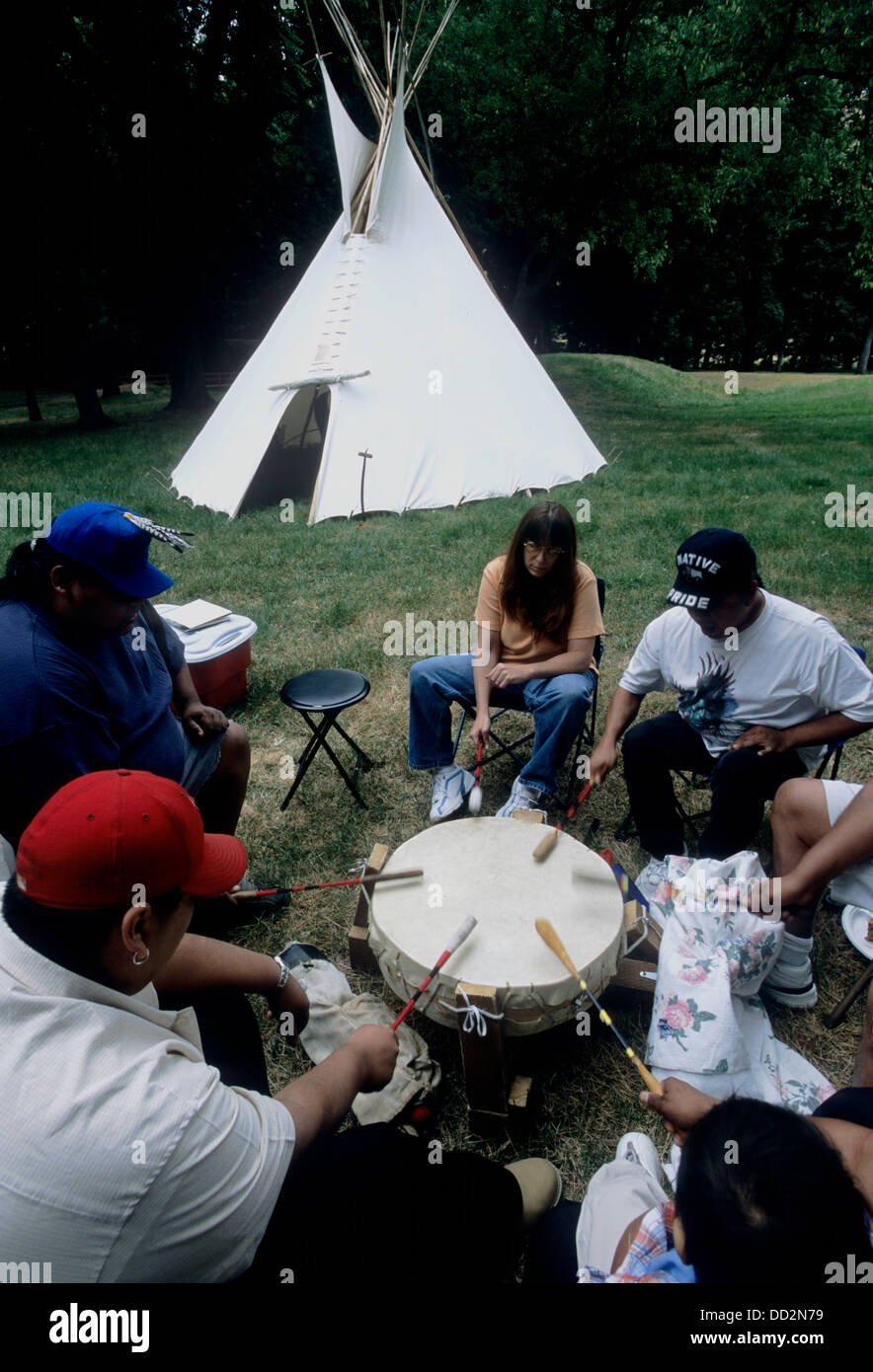
To truly appreciate Native American drumming, one must understand that the drum itself is considered sacred. It is often referred to as a living entity, imbued with spirit and treated with immense respect. The making of a drum is a ceremony in itself, involving prayer, intention, and specific protocols. The materials—wood, animal hide—are seen as gifts from the natural world, connecting the drum to the earth and all its creatures.
The drum is often viewed as the heartbeat of Mother Earth, and its rhythm is believed to connect participants to the universal pulse of life. This spiritual connection elevates drumming beyond mere entertainment, making it a vital component of spiritual practice and community cohesion.
Types of Drums and Their Uses
- Hand Drums: These smaller, single-headed drums are typically played by an individual. They are versatile, used for personal songs, healing ceremonies, storytelling, and often accompany solo singers or dancers. They are portable and frequently seen in intimate gatherings.
- Powwow Drums: Also known as big drums or community drums, these are large, double-headed drums played by multiple drummers (often 4 to 12 or more) seated around them. These are central to powwows and other large communal gatherings, producing a powerful, resonant sound that carries across vast distances.
- Water Drums: Predominantly used by Eastern Woodlands and Great Lakes tribes (e.g., Iroquois, Anishinaabe), water drums are small, hollowed-out logs or clay pots partially filled with water. A wet hide is stretched over the opening, and the water inside creates a unique, resonant, and often haunting sound. They are typically used in specific ceremonies, such as peyote ceremonies.
Each drum type carries its own history, construction methods, and cultural significance, contributing to the rich tapestry of Indigenous music.
The Role of the Drum Keeper and Drum Groups
Drum groups, particularly those performing at powwows, are integral to contemporary Native American life on reservations. These groups are often intergenerational, with elders teaching younger members traditional songs, rhythms, and the etiquette associated with drumming. They serve as cultural ambassadors, preserving and transmitting vital knowledge.
Styles of Drumming and Vocalizations


Native American drumming is rarely just instrumental; it is almost always accompanied by singing. The songs are often sung in Indigenous languages, carrying stories, prayers, histories, and teachings. The vocalizations are diverse, ranging from powerful, high-pitched calls in Northern Plains styles to more melodic and rhythmic chants in Southern Plains traditions.
Regional styles of drumming are distinct. For instance, Northern Plains drumming is characterized by a strong, steady beat and high-pitched, intense singing, while Southern Plains drumming often features a slightly slower tempo and a more relaxed vocal style. These differences are a testament to the cultural diversity across Indigenous nations.
Powwows: A Celebration of Culture and Community
Powwows are vibrant intertribal gatherings that serve as a cornerstone of Native American cultural expression on and off reservations. Drumming is the heart of every powwow. The powerful beats and resonant voices of the drum groups provide the rhythm for the dancers, from tiny tots to respected elders, who move in intricate regalia.
These gatherings are not only opportunities for cultural exchange and celebration but also vital spaces for social connection, spiritual renewal, and the affirmation of Indigenous identity. The drum groups compete, share songs, and collectively create an atmosphere charged with energy and tradition.
Intergenerational Knowledge Transfer: Keeping the Beat Alive
A critical aspect of drumming on reservations is the commitment to passing down knowledge from one generation to the next. Elders teach youth not only how to play the drum but also the meaning of the songs, the history behind them, and the proper protocols for handling and respecting the drum. This ensures the continuity of these vital traditions.
Many communities host drumming circles, workshops, and cultural camps specifically designed to engage young people. These initiatives are crucial for strengthening cultural identity and preventing the loss of traditional practices in an ever-changing world.
Healing and Spirituality Through Rhythm
Beyond public performances, drumming holds profound significance in traditional healing practices and spiritual ceremonies. The rhythmic vibrations are believed to have therapeutic qualities, aiding in emotional release, meditation, and connecting individuals to a sense of well-being. Many Indigenous cultures use drumming in sweat lodge ceremonies, vision quests, and other sacred rites.
The consistent, grounding rhythm can help individuals reconnect with themselves and their community, providing solace and strength in challenging times. It is a powerful conduit for prayer and spiritual communication.
Challenges and Preservation in the Modern Era
Despite its resilience, Native American drumming faces contemporary challenges. One significant concern is cultural appropriation, where sacred songs and drumming styles are used or commodified without understanding, respect, or permission from Indigenous communities. Protecting these sacred practices requires ongoing education and advocacy.
The loss of Indigenous languages also poses a challenge, as many traditional songs are inextricably linked to specific linguistic contexts. Efforts to revitalize languages often go hand-in-hand with the preservation of drumming traditions.
Furthermore, the influence of mainstream culture and the digital age can sometimes pull younger generations away from traditional practices. However, many communities are skillfully integrating technology, using social media and online platforms to share information, organize events, and even teach drumming, ensuring traditions adapt while remaining authentic.
The Future of Native American Drumming
Educational institutions, cultural centers, and tribal governments are increasingly investing in programs that support drumming, offering resources for drum making, song learning, and cultural exchange. These efforts are crucial for strengthening community bonds and fostering a deeper understanding of Indigenous heritage.
From the intimate thrum of a hand drum in a healing circle to the thunderous roar of a powwow drum, Native American drumming on reservations is a living, breathing testament to cultural endurance. It connects the past, present, and future, serving as a powerful reminder of the rich spiritual and cultural legacy of Indigenous peoples. Respecting and understanding these traditions is vital for anyone seeking a deeper appreciation of Native American heritage.
The enduring rhythm of the drum symbolizes the strength, resilience, and spiritual depth of Native American communities. It is a tradition that continues to teach, heal, and unite, ensuring that the voices of the ancestors echo vibrantly across the land.


