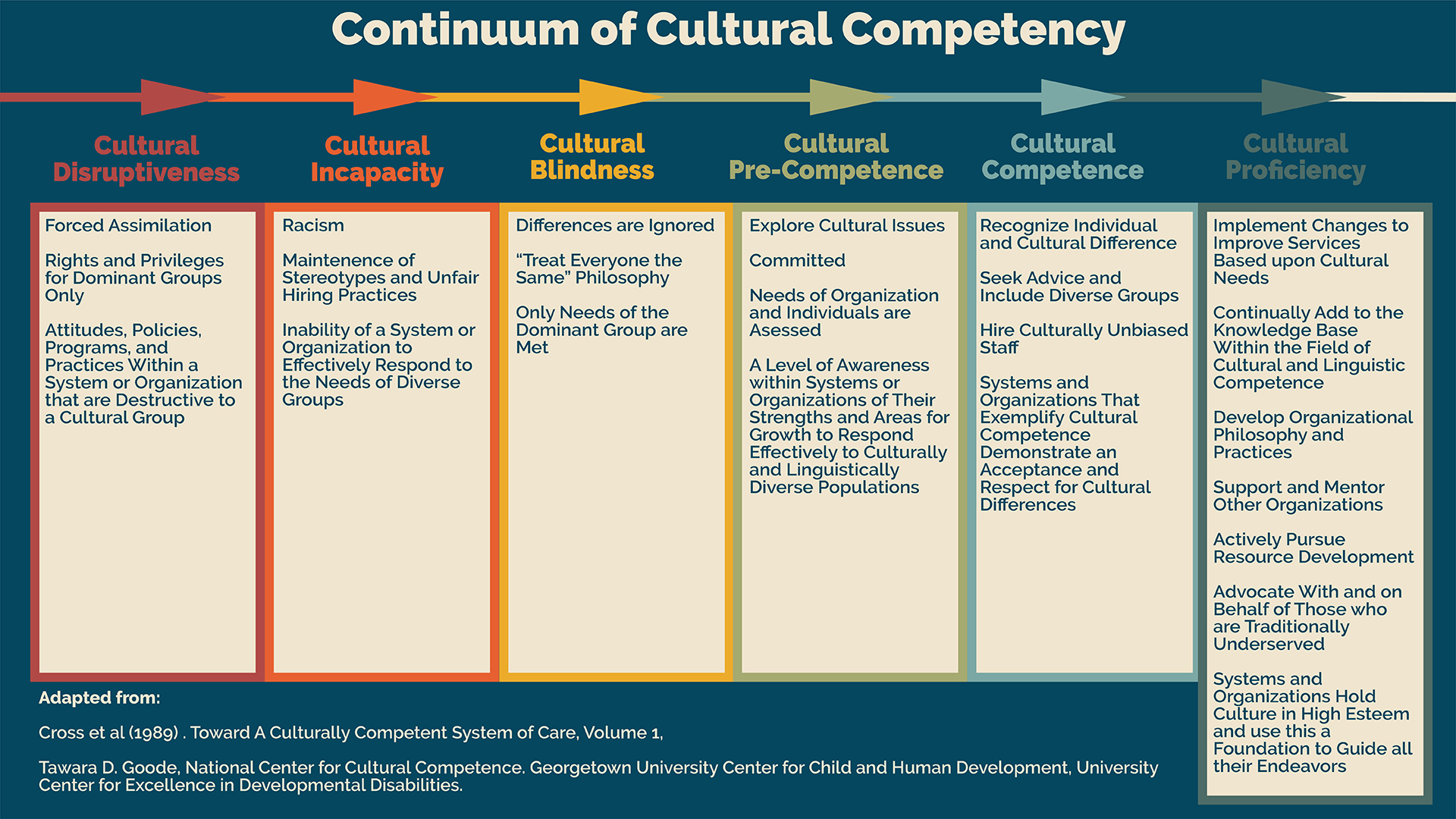

Engaging with Indigenous reservations and tribal nations requires more than just good intentions; it demands a deep understanding of cultural competency. This concept is fundamental for anyone seeking to build respectful, equitable, and effective relationships with Native American, First Nations, or other Indigenous communities across North America and beyond.
Cultural competency, in this context, is the ability to understand, appreciate, and interact effectively with people from cultures and worldviews different from one’s own. It involves a continuous process of self-assessment, knowledge acquisition, and skill development, particularly concerning the unique histories, governance structures, and cultural practices of Indigenous peoples.
The term ‘reservation’ (or ‘reserve’ in Canada) refers to lands managed by a recognized Indigenous tribe or nation under special provisions. These lands are sovereign territories, meaning tribes have inherent rights to self-governance, jurisdiction, and the ability to make decisions for their people and lands. Understanding this foundational principle of tribal sovereignty is paramount.
Historically, interactions between external entities and Indigenous communities have often been fraught with misunderstanding, exploitation, and disrespect for tribal sovereignty. Developing cultural competency is a crucial step in rectifying past harms and fostering a future based on mutual respect and collaboration.
Why is Cultural Competency So Crucial? Without it, well-intentioned efforts can inadvertently cause harm, perpetuate stereotypes, or undermine tribal self-determination. It’s not just about avoiding offense; it’s about achieving genuine, positive outcomes that benefit Indigenous communities as defined by them.
It allows for the establishment of trust, which is the bedrock of any successful partnership. Trust is not given lightly, especially given centuries of broken promises and policies that have eroded Indigenous rights and lands. Building it requires patience, consistency, and a demonstrated commitment to respectful engagement.
Understanding Tribal Sovereignty and Governance. Each Indigenous nation is a distinct political entity with its own government, laws, and cultural practices. There are over 574 federally recognized tribes in the United States alone, each with unique traditions, languages, and governance structures. Generalizing about ‘Native Americans’ is a significant pitfall.
Respecting tribal sovereignty means recognizing the inherent right of Indigenous nations to govern themselves, manage their resources, and determine their own futures. This includes respecting their laws, legal systems, and decision-making processes, which may differ significantly from federal, state, or provincial systems.
The Weight of History: Colonialism and Historical Trauma. Many Indigenous communities carry the legacy of colonialism, including forced removal, assimilation policies (like residential schools), and systemic discrimination. This has resulted in widespread historical trauma, which manifests in intergenerational health disparities, economic challenges, and social issues.
Acknowledging this history is not about assigning blame, but about understanding the context in which contemporary Indigenous communities operate. It fosters empathy and provides a framework for understanding why certain issues are prioritized or why trust may be slow to develop.
- Self-Awareness: Understand your own cultural biases, assumptions, and privileges. Reflect on how your background influences your perceptions and interactions.
- Respect: Demonstrate genuine esteem for Indigenous cultures, traditions, knowledge systems, and ways of life. Avoid ethnocentrism.
- Humility: Approach interactions with a willingness to learn and an understanding that you do not have all the answers. Be open to correction and different perspectives.
- Empathy: Strive to understand experiences and perspectives from an Indigenous viewpoint, recognizing the impact of historical and ongoing injustices.
- Reciprocity: Seek to build relationships where benefits flow both ways, and contributions are mutually valued. Avoid transactional approaches.
1. Do Your Homework: Research Specific Tribal Nations. Before any engagement, thoroughly research the specific tribe or nation you intend to work with. Learn about their history, current governance, significant cultural practices, and community protocols. Websites, tribal offices, and cultural centers are good starting points.
2. Listen Actively and Observe. When interacting, prioritize listening over speaking. Pay attention to verbal and non-verbal cues, communication styles, and community dynamics. Be present and engaged without imposing your own agenda.
3. Build Relationships, Don’t Just Network. Relationships with Indigenous communities are often built on personal connections and trust developed over time. This means investing time, attending community events (when appropriate and invited), and demonstrating genuine commitment beyond a single project.
4. Understand Communication Styles. Communication can be indirect, rely heavily on storytelling, or prioritize group consensus over individual expression. Patience and careful observation are key to navigating these differences effectively.


5. Respect Protocols and Traditional Knowledge. Many Indigenous communities have specific protocols for meetings, greetings, and decision-making. Always inquire about and respect these. Recognize the value of traditional ecological knowledge and other Indigenous knowledge systems.
6. Engage in Meaningful Consultation. Consultation is not merely informing; it’s a process of respectful dialogue and seeking input before decisions are made that affect Indigenous communities. It must be early, genuine, and ongoing, allowing tribes to influence outcomes.
7. Address Power Imbalances. Be aware of existing power imbalances and actively work to mitigate them. Ensure that Indigenous voices are amplified and that communities have equitable opportunities to participate in and lead initiatives.
8. Support Tribal Self-Determination. Frame your work in a way that supports the tribe’s goals and aspirations, rather than imposing external solutions. The ultimate aim should be to empower Indigenous communities to define and achieve their own success.
9. Cultural Sensitivity in Program Design and Delivery. If developing programs or services, ensure they are culturally appropriate, relevant, and delivered in a way that respects Indigenous values and practices. For instance, in healthcare, this might involve incorporating traditional healing practices or ensuring access to culturally sensitive care.
10. Learn from Mistakes. Cultural competency is a journey, not a destination. You will make mistakes. When you do, acknowledge them, apologize sincerely, learn from them, and adjust your approach. Humility is paramount.
- Stereotyping: Assuming all Indigenous people or tribes are the same.
- Tokenism: Including an Indigenous person merely for appearance without genuine input.
- Savior Complex: Approaching communities with the belief that you are there to ‘fix’ them.
- Lack of Follow-Through: Making promises or commitments that are not kept, further eroding trust.
- Ignoring Tribal Law: Failing to understand or respect tribal jurisdiction and legal frameworks.
By diligently applying these principles and engaging in continuous learning, individuals and organizations can move beyond superficial interactions to forge truly collaborative and beneficial partnerships with Indigenous nations. This approach not only honors the rich cultural heritage and sovereignty of Indigenous peoples but also leads to more sustainable, equitable, and effective outcomes for all involved.
In conclusion, cultural competency is an essential skill for anyone working with Indigenous reservations. It requires a commitment to ongoing education, self-reflection, and respectful engagement. By understanding tribal sovereignty, acknowledging historical context, and prioritizing genuine relationship-building, we can contribute to a future where partnerships are built on trust, mutual respect, and shared success.
Remember, the journey to cultural competency is continuous. It involves a willingness to learn, adapt, and always center the voices and perspectives of Indigenous communities themselves. This transformative approach is not just good practice; it is a moral imperative for fostering reconciliation and creating a more just and equitable society.


