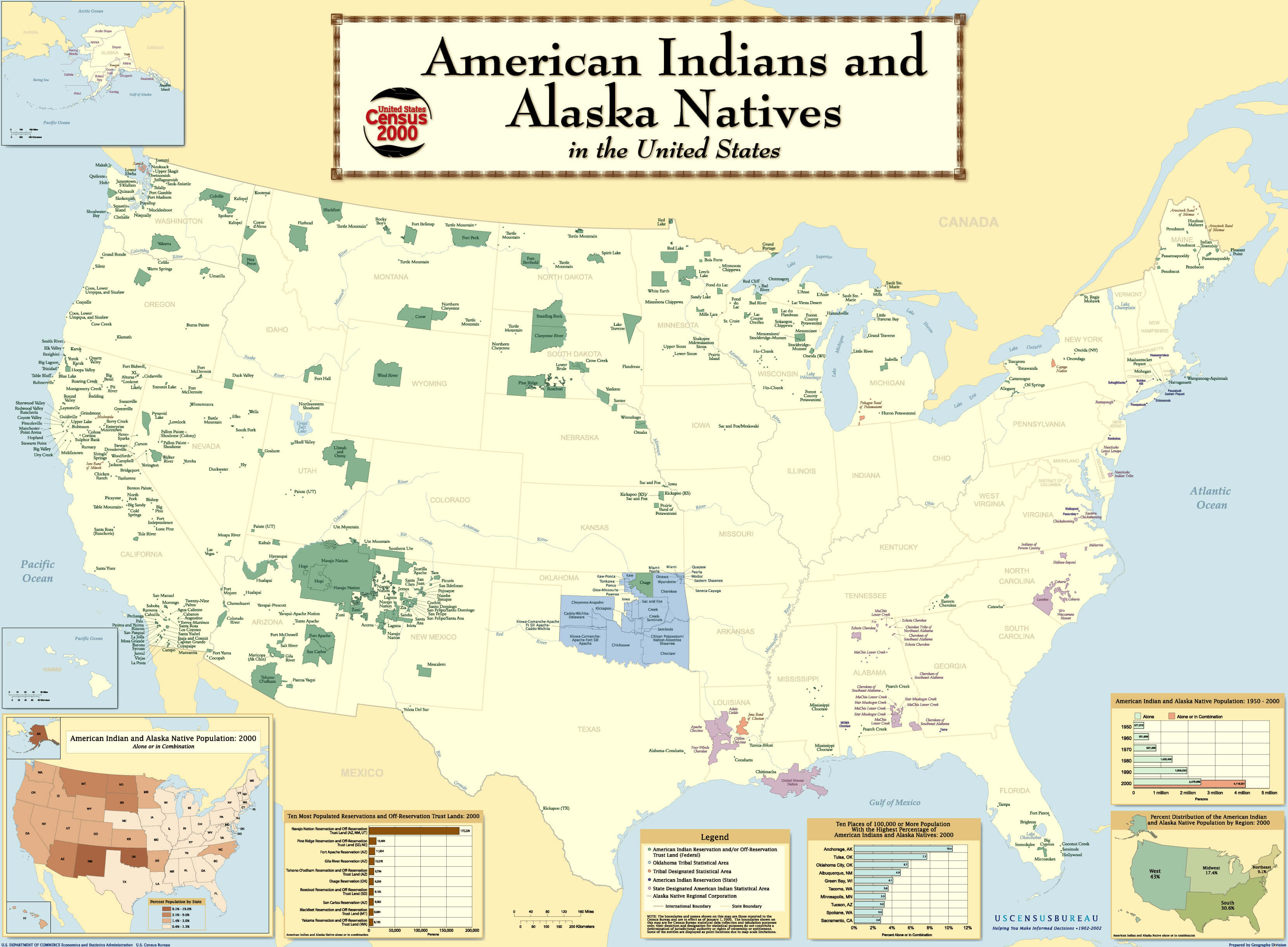
The phrase ‘Map of All Indian Reservations’ evokes a desire for clarity regarding a complex and historically significant aspect of the United States. These lands are not mere geographical markers but living territories, representing the enduring presence and inherent sovereignty of Indigenous peoples.
It is crucial to understand from the outset that a single, static ‘map of all Indian reservations’ can be misleading. This is due to the dynamic nature of tribal lands, varying legal statuses, ongoing land claims, and the intricate patterns of ownership within established boundaries.
This comprehensive guide aims to demystify the topic, providing essential historical context, legal definitions, and practical insights into how these territories are mapped and understood today. We will explore the challenges in creating such a map and direct you to authoritative resources.
Understanding Indian Reservations: A Historical Perspective
Before European contact, Indigenous nations occupied vast territories across North America, governed by their own intricate laws, customs, and political structures. These lands sustained their cultures, economies, and spiritual practices for millennia.
The concept of ‘reservations’ emerged primarily from treaties signed between sovereign Indigenous nations and the nascent U.S. government. These agreements often involved the cession of vast ancestral lands in exchange for smaller, reserved territories and certain guaranteed rights and protections.
The 19th century witnessed a period of aggressive federal policies, most notably the Indian Removal Act of 1830. This legislation led to the forced relocation of many Eastern tribes westward, often resulting in devastating journeys like the ‘Trail of Tears’ and the establishment of new, frequently smaller and less fertile, reservations.
A particularly destructive policy was the General Allotment Act of 1887, also known as the Dawes Act. This act aimed to break up communal tribal landholdings into individual parcels, with the stated goal of assimilating Native Americans into mainstream society. Its primary effect, however, was massive land loss, as ‘surplus’ lands were sold off to non-Native settlers, creating the complex ‘checkerboard’ ownership patterns seen on many reservations today.
The Indian Reorganization Act of 1934 marked a significant shift in federal policy. It halted the disastrous allotment process, encouraged tribal self-governance, and provided mechanisms for tribes to consolidate lands and establish constitutional governments, laying the groundwork for modern tribal sovereignty.
What Defines an Indian Reservation Today?
Federally recognized Indian reservations are specific areas of land managed by a Native American tribe under the U.S. Bureau of Indian Affairs (BIA), rather than by state governments. They are distinct political and geographical entities.
These lands are considered sovereign nations within the borders of the United States. This means tribal governments possess inherent authority to govern their members and territories, develop their own laws, and exercise jurisdiction, subject to federal law and treaties.
This unique sovereignty profoundly impacts legal jurisdiction, taxation, land use planning, and economic development. Understanding this dual sovereignty—tribal and federal—is key to comprehending the unique legal and political landscape of reservations.
Much of the land within reservations is held in ‘trust’ by the U.S. government for the benefit of the tribes or individual Native Americans. This trust responsibility obligates the federal government to protect tribal assets and resources.
However, not all land within a reservation is trust land. Due to the legacy of the Dawes Act, some parcels may be privately owned in ‘fee simple’ by tribal members or non-members, creating a complex patchwork of ownership and jurisdiction within reservation boundaries.

The Challenges of Mapping ‘All’ Indian Reservations
Reservation boundaries are not always static. They can change through congressional acts, land acquisitions by tribes, or court decisions, making a perpetually current map difficult to maintain.
The aforementioned ‘checkerboard’ ownership patterns, where tribal trust lands, individually allotted lands, and privately owned fee-simple lands are interspersed, present a significant mapping challenge. A simple boundary line doesn’t convey this internal complexity.
Many tribes also have ‘off-reservation trust lands’ – parcels of land acquired by the tribe and placed into federal trust. These lands function similarly to reservation lands in terms of tribal jurisdiction but are geographically separate, further complicating a singular map.
Alaska presents a unique situation. Following the Alaska Native Claims Settlement Act (ANCSA) of 1971, most Indigenous land was transferred to Alaska Native Corporations, not traditional reservations. While a few small reservations exist, the majority of Indigenous lands in Alaska are managed differently, requiring a distinct mapping approach.
It is also crucial to remember that not all Indigenous groups in the U.S. are federally recognized. Therefore, they do not have federal reservations, though they may have state-recognized lands or ancestral territories that are significant to them.
Where to Find Authoritative Maps and Data
The Bureau of Indian Affairs (BIA) is the primary federal agency responsible for tribal relations and land management. The BIA often publishes maps and GIS data, which are among the most authoritative sources for reservation boundaries and trust lands.
The U.S. Census Bureau provides geographical data for American Indian and Alaska Native areas, including reservation boundaries, specifically for statistical purposes. Their TIGER/Line files are a valuable resource for researchers and mappers.
Tribal Governments themselves often publish the most detailed and accurate local maps, frequently available on their official websites. These maps reflect the tribes’ own understanding and management of their territories.
Various government agencies (e.g., USGS, EPA) and academic institutions offer Geographic Information System (GIS) data layers for download, allowing users to create their own custom maps by combining different data sets.
Key Statistics and Notable Reservations (Answering ‘How Many?’ and ‘Where?’)
As of recent counts, there are over 326 federally recognized Indian reservations in the United States. This number can fluctuate slightly due to new recognitions, land adjustments, or consolidations.
It’s important to note that there are 574 federally recognized tribes in the U.S. This means not all tribes have a reservation, or some tribes may share reservations, while others have multiple, non-contiguous land holdings.
The largest reservations by area include:
- The Navajo Nation (Arizona, New Mexico, Utah): Spanning over 27,000 square miles, it is the largest, exceeding the size of several U.S. states.
- The Tohono O’odham Nation (Arizona): A significant land area in southern Arizona.
- The Uintah and Ouray Reservation (Utah): Home to the Ute Indian Tribe.
- The Cheyenne River Sioux Reservation (South Dakota): One of several large Sioux reservations in the Dakotas.
Geographically, reservations are concentrated in the Western United States, particularly in states like Arizona, New Mexico, Oklahoma, South Dakota, Montana, and Washington. However, reservations exist in many other states across the Midwest and Eastern U.S. as well.
People Also Ask: Common Questions Explored
Can you visit Indian Reservations? Yes, many reservations welcome visitors. However, it’s crucial to remember that they are sovereign nations with their own laws and customs. Always respect tribal laws, ask permission before entering private lands or participating in ceremonies, and check for any specific visitor guidelines or permit requirements.
What is the difference between a reservation and tribal land? ‘Reservation’ specifically refers to land set aside by treaty or federal statute for a federally recognized tribe, held in trust by the U.S. government. ‘Tribal land’ is a broader term that can encompass reservation lands, off-reservation trust lands, and other lands owned by a tribe in fee simple, which may or may not be within a formal reservation boundary.
Are all Native Americans on Reservations? No. A significant portion of Native Americans live off-reservation, in urban areas, or other rural communities. Tribal enrollment does not require residency on a reservation, and many maintain strong cultural ties regardless of their physical location.
What are the economic conditions like on reservations? Conditions vary widely. Many reservations face significant economic challenges due to historical disenfranchisement, remote locations, limited access to capital, and inadequate infrastructure. Others have developed successful economies based on gaming, tourism, energy resources, agriculture, or other enterprises, creating jobs and revenue for their communities.
How do Alaska Native Villages fit into this? Alaska Native Villages are distinct. While a few small reservations exist, most Indigenous lands in Alaska are managed by Alaska Native Corporations (ANCs) established under ANCSA. These corporations hold title to millions of acres of land and provide economic and cultural support to their shareholders, representing a unique model of Indigenous land management.
The Importance of Understanding These Maps
Accurate maps are vital for cultural preservation, helping to visualize the physical spaces where Indigenous languages, traditions, and ceremonies are maintained and revitalized.
Understanding the historical evolution of these maps sheds light on past injustices and the ongoing struggle for land rights and self-determination, contributing to a more complete understanding of American history.
Accurately mapping reservations reinforces the recognition of tribal sovereignty and jurisdiction, which is fundamental for effective intergovernmental relations between tribal nations, states, and the federal government.
For tribal governments, maps are essential tools for economic development, land use planning, resource management, infrastructure development, and attracting investment to their communities.
Many tribes are leaders in environmental stewardship. Detailed maps aid in managing their natural resources effectively, protecting sacred sites, and addressing climate change impacts.
Modern Mapping and GIS Technology
Geographic Information Systems (GIS) have revolutionized how tribal lands are mapped and managed. Tribes utilize GIS for everything from land use planning, natural resource management, and emergency services to cultural resource protection and economic development initiatives.
While a single, static ‘map of all Indian reservations’ remains elusive due to inherent complexity, digital GIS data has made it possible to overlay various layers (boundaries, trust lands, population, resources) to create dynamic and comprehensive views tailored to specific needs.
There’s a growing movement for tribal data sovereignty, ensuring that tribes control how their data, including spatial data, is collected, managed, and shared. This empowers tribes to utilize their own information for their own benefit and protect sensitive cultural information.
Conclusion: A Living Map of Resilience and Sovereignty
The ‘Map of All Indian Reservations’ is not a simple diagram to be glanced at; it is a complex tapestry interwoven with history, law, culture, and enduring sovereignty. It represents far more than lines on a paper or pixels on a screen.
Ultimately, these maps symbolize the remarkable resilience of Indigenous peoples and their ongoing efforts to maintain their unique identities, cultures, and self-governance in the face of immense historical challenges.
Engaging with these maps means engaging with a deeper, more nuanced understanding of American history and the vibrant present of its First Peoples. Respect, education, and recognition of tribal sovereignty are paramount when interacting with or learning about these vital territories.


