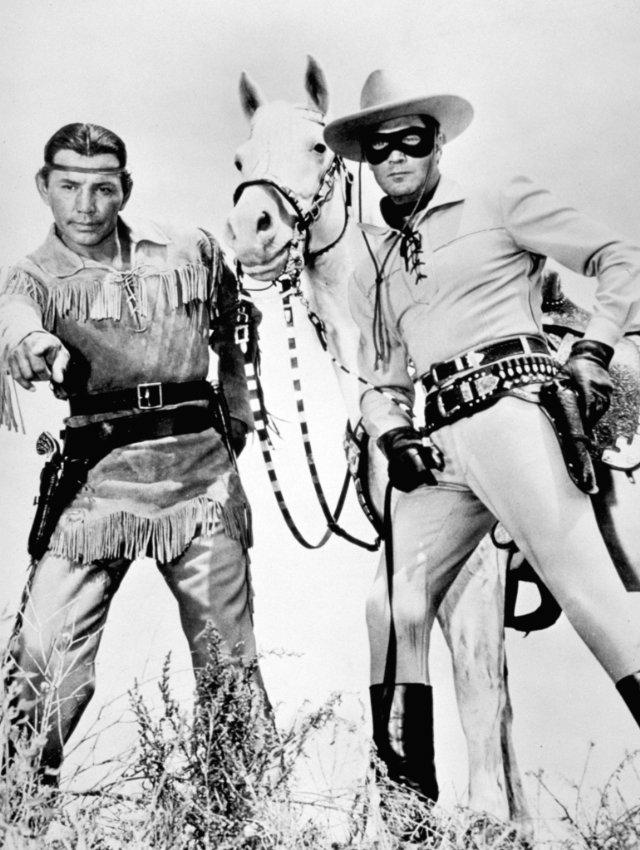
The legendary figures of the Lone Ranger and his faithful companion Tonto have galloped through the prairies of American popular culture for nearly a century, leaving an indelible mark on generations. Their adventures, epitomizing justice and frontier heroism, have transcended radio waves, television screens, and comic book pages, embedding themselves deeply into the collective consciousness. At the heart of their unique bond lies a single, often-quoted word: ‘Kemosabe.’
This article will embark on a comprehensive journey to explore the rich history of the Lone Ranger and Tonto, dissect the cultural significance of their partnership, and demystify the origins and meaning of the enigmatic term ‘Kemosabe.’ We will delve into their creation, evolution across various media, and the complex legacy they continue to hold in contemporary society.
The saga of the Lone Ranger first captivated audiences on January 30, 1933, as a radio serial created by George W. Trendle and developed by writer Fran Striker for WXYZ radio in Detroit. Amidst the Great Depression, listeners eagerly tuned in to follow the masked rider of the plains, a symbol of hope and unwavering justice. The show’s immediate success underscored a public hunger for heroic tales that championed good over evil.
The character of the Lone Ranger, whose real name is John Reid, was conceived as the sole survivor of a massacre of Texas Rangers. Nursed back to health by his childhood friend, Tonto, he dedicates his life to fighting injustice, adopting a mask to conceal his identity and striking fear into the hearts of outlaws across the American West. His iconic white horse, Silver, and the rallying cry ‘Hi-Yo, Silver! Away!’ became synonymous with his vigilant pursuit of fairness.
Tonto, a Native American companion, was introduced early in the radio series, becoming an indispensable part of the duo. His presence was crucial, not merely as a sidekick, but as a skilled tracker, resourceful ally, and a voice of wisdom, often providing practical insights that complemented the Lone Ranger’s more idealistic approach. Their partnership was groundbreaking for its time, portraying an interracial friendship built on mutual respect and shared values.
One of the most enduring elements of their relationship is Tonto’s use of the term ‘Kemosabe’ when addressing the Lone Ranger. This distinctive appellation has permeated popular lexicon, often used colloquially to refer to a friend, sidekick, or trusted companion. But what exactly does ‘Kemosabe’ mean, and where did it come from?
The most widely accepted origin of ‘Kemosabe’ traces back to the summer camp ‘Camp Kemosabe’ located in northern Michigan, near the writers’ and producers’ stomping grounds. In Ojibwe, an Algonquian language, ‘Gimoozaabi’ (or similar spellings) is often translated as ‘scout’ or ‘one who looks ahead.’ This interpretation aligns perfectly with the Lone Ranger’s role as a trailblazer and protector.
Alternative theories suggest a more literal translation, such as ‘trusty scout’ or ‘faithful friend,’ which further emphasizes the profound bond between the two characters. Regardless of the precise linguistic nuance, the term unequivocally signifies a deep connection, loyalty, and mutual understanding between Tonto and the Lone Ranger, transcending cultural barriers.
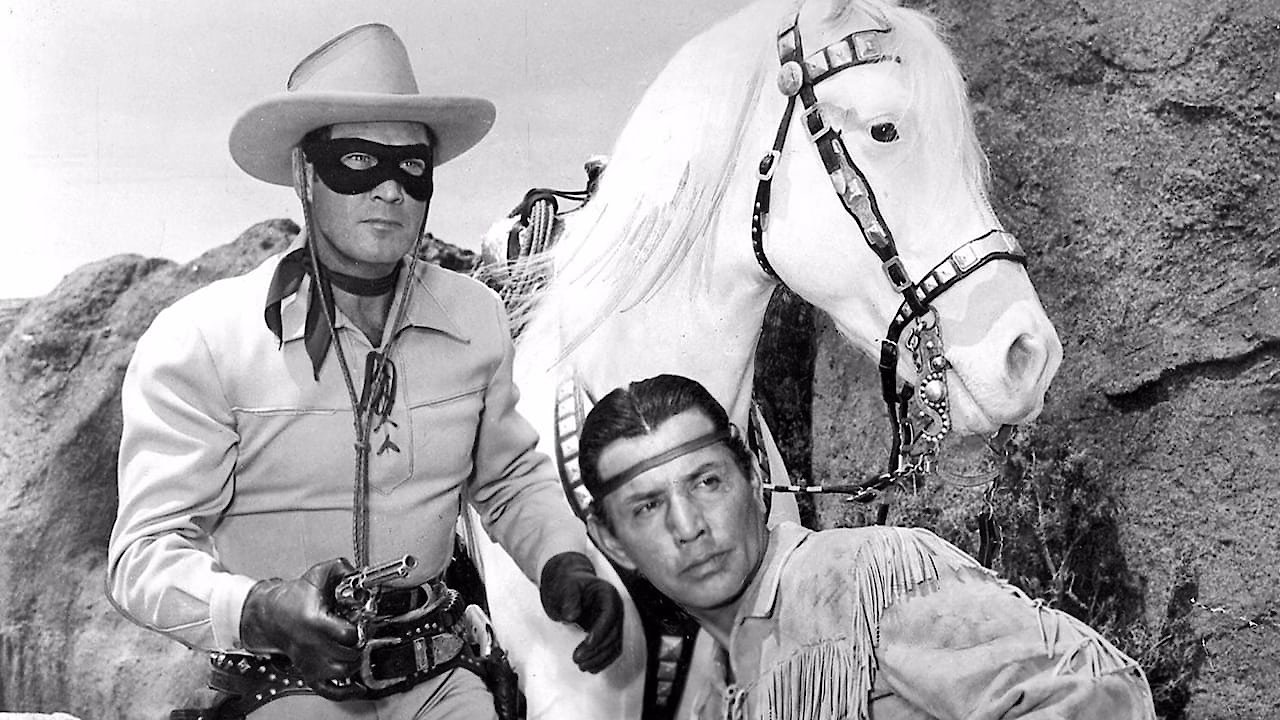
The radio show’s popularity quickly led to a transition to television in 1949, starring Clayton Moore as the Lone Ranger and Jay Silverheels as Tonto. This television series solidified their status as cultural icons, bringing their adventures to a visual medium that captivated a new generation. Moore’s stoic portrayal and Silverheels’ dignified performance became the definitive images of the characters for millions.
Jay Silverheels, a Mohawk actor, brought an authentic presence to the role of Tonto, despite the character being written by non-Native American writers. His portrayal, while constrained by the conventions of the era, imbued Tonto with a quiet strength and unwavering loyalty, challenging some of the more overtly stereotypical depictions of Native Americans in media at the time.
The Lone Ranger and Tonto’s adventures consistently championed themes of justice, integrity, and the triumph of good. The Lone Ranger famously never killed an adversary, instead disarming them and bringing them to justice. His silver bullets symbolized the preciousness of life and the idea that justice, once delivered, should not be wasted.
Their stories often highlighted the importance of fairness, even-handedness, and the protection of the innocent. This moral compass resonated deeply with audiences, providing a clear distinction between right and wrong in a world that often felt ambiguous. The duo’s commitment to these ideals made them aspirational figures.
Beyond the moral lessons, the duo’s relationship itself served as a powerful metaphor for cross-cultural understanding and friendship. In a time of significant racial segregation and prejudice, the depiction of a white hero and a Native American hero working together as equals, united by a common purpose, was remarkably progressive.
However, the legacy of the Lone Ranger and Tonto is not without its complexities and criticisms, particularly concerning the portrayal of Native Americans. Tonto, despite his positive attributes, was often depicted using broken English and subservient to the Lone Ranger, perpetuating certain stereotypes prevalent in early 20th-century media.
Critics argue that Tonto’s character, while well-intentioned, ultimately reinforces the ‘noble savage’ trope, lacking full agency and often serving primarily to advance the white hero’s narrative. Modern interpretations and reboots have grappled with these historical portrayals, seeking to offer more nuanced and respectful representations of Native American characters.
The 2013 film adaptation, starring Armie Hammer as the Lone Ranger and Johnny Depp as Tonto, attempted to re-imagine the story with a more prominent and complex role for Tonto. While the film aimed to address some of the historical criticisms, its reception was mixed, highlighting the challenges of updating such a deeply ingrained cultural property for contemporary sensibilities.
Despite these valid criticisms and the evolving standards of representation, the enduring appeal of the Lone Ranger and Tonto remains undeniable. Their archetypal story of friendship, courage, and the relentless pursuit of justice continues to resonate. They represent a simpler ideal of heroism, where good always prevails and moral clarity is paramount.
The phrase ‘Kemosabe’ itself has become a cultural touchstone, often used playfully or affectionately, demonstrating the deep imprint the characters have left on language and memory. It symbolizes a bond of trust and camaraderie that transcends its fictional origins, becoming a part of the broader American vernacular.
Their influence can be seen in countless Westerns, adventure stories, and buddy cop narratives that followed, demonstrating how deeply their dynamic impacted storytelling. The Lone Ranger and Tonto set a template for heroic partnerships, influencing everything from Batman and Robin to modern action duos.
From radio serials to blockbuster films, the Lone Ranger and Tonto have ridden through nearly a century of popular culture. Their story is a compelling blend of thrilling adventure, moral allegory, and a complex cultural legacy. The term ‘Kemosabe’ stands as a testament to their unique bond, a word that encapsulates their shared journey and mutual respect.
While we acknowledge and learn from the historical context and criticisms surrounding their portrayal, especially concerning Native American representation, the core ideals of justice, friendship, and courage that they embodied continue to inspire. The Lone Ranger and Tonto, with their cry of ‘Hi-Yo, Silver, away!’, remain powerful symbols of a bygone era’s heroism, forever etched into the fabric of American mythology.
Their narrative serves as a valuable lens through which to examine both the progressive elements and the problematic aspects of historical media. Understanding their full story, including the origins of ‘Kemosabe,’ allows us to appreciate their cultural impact while also fostering a more critical engagement with how stories shape our perceptions.


