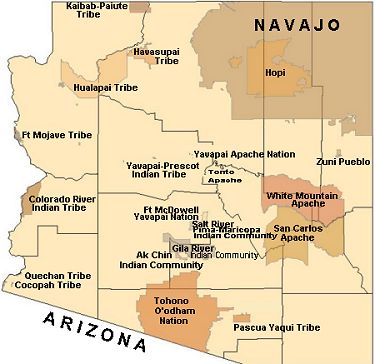

The San Carlos Apache Tribe Reservation, nestled within the rugged beauty of east-central Arizona, stands as a testament to the enduring spirit and rich heritage of the Apache people. This extensive reservation is not merely a geographic location; it is a living, breathing cultural landscape, home to a proud and resilient community with a history deeply intertwined with the American Southwest.
Established in 1872, the reservation’s creation was a complex and often painful chapter in American history, marking a significant shift for the various Apache bands who were ultimately consolidated onto its lands. Understanding this historical context is crucial to appreciating the tribe’s present-day strength and self-determination.
A Glimpse into Apache History and Resilience
Before the reservation era, the Apache people were renowned for their adaptability, fierce independence, and deep knowledge of the vast, arid lands they called home. They were expert hunters, gatherers, and warriors, with distinct cultural practices and spiritual beliefs that guided their way of life.
The mid-19th century brought increasing conflict with encroaching settlers and the U.S. military. The Apache Wars, a series of conflicts spanning decades, ultimately led to the forced relocation and consolidation of various Apache groups, including the Aravaipa, Pinal, Mogollon, and Chiricahua, onto the newly designated San Carlos Apache Reservation.
This period of forced relocation and adjustment was fraught with hardship, disease, and cultural disruption. Yet, through immense challenges, the San Carlos Apache people demonstrated incredible resilience, adapting to new circumstances while striving to preserve their core identities and traditions.

Geography and Landscape: The Heart of Apache Country
Spanning approximately 1.8 million acres, the San Carlos Apache Tribe Reservation is one of the largest tribal lands in Arizona. Its diverse landscape ranges from high desert plains to towering mountain ranges, including the majestic Gila Mountains and the rugged Apache Mountains. The reservation is bisected by the Gila River, a vital waterway that has sustained life for millennia.
This vast territory encompasses a variety of ecosystems, providing a rich habitat for diverse wildlife, including elk, deer, javelina, and numerous bird species. The natural beauty of the reservation is breathtaking, offering panoramic vistas and a profound sense of connection to the earth.
The reservation includes several communities, with San Carlos, Bylas, and Peridot being the primary population centers. Each community holds its own unique character and plays a role in the daily life of the tribe.
Culture and Traditions: Preserving a Legacy
The San Carlos Apache Tribe actively works to preserve and promote its rich cultural heritage. The Western Apache language, Ndee Biyáti’, remains an important aspect of tribal identity, with ongoing efforts to ensure its vitality for future generations. Traditional stories, songs, and dances continue to be passed down, reinforcing cultural values and historical knowledge.
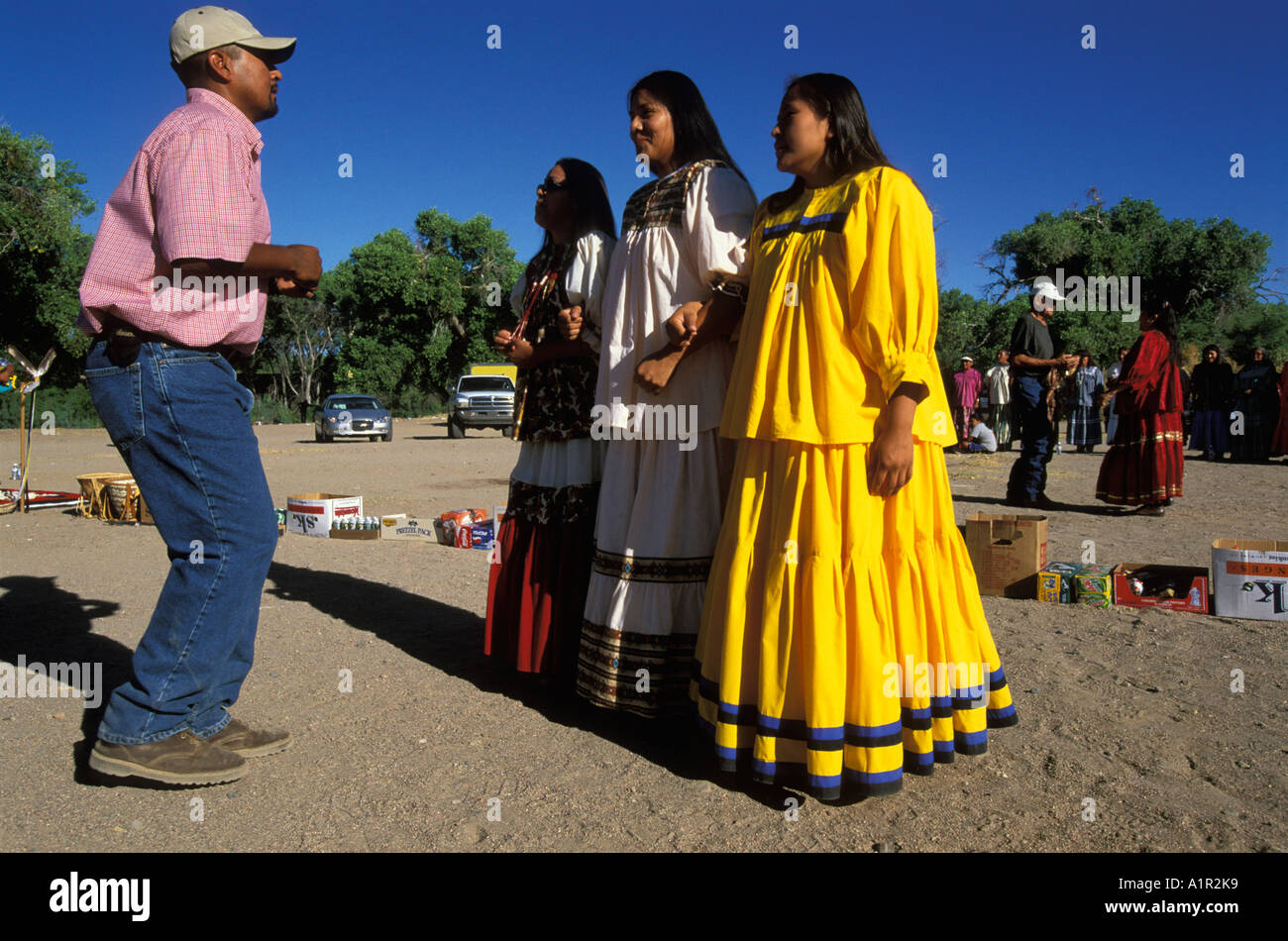
Ceremonies play a vital role in Apache life, marking important rites of passage and celebrating community. The puberty ceremony for young women, known as the ‘Sunrise Dance’ or ‘Na’ii’ees’, is particularly significant, symbolizing a girl’s transition into womanhood and blessing her with strength and good health.
Apache artistry is renowned, with intricate basketry, beadwork, and traditional clothing reflecting centuries of skill and cultural expression. These crafts are not only beautiful but also carry deep symbolic meaning, connecting contemporary artists to their ancestors.
Economy and Development: Building a Sustainable Future


The San Carlos Apache Tribe has diligently pursued economic diversification to create opportunities and self-sufficiency for its members. Mining, particularly of copper, has historically been a significant economic driver, though the tribe is actively seeking to broaden its economic base.
Tourism and recreation are growing sectors, leveraging the reservation’s stunning natural beauty. The San Carlos Apache Tribe operates several enterprises, including the Apache Gold Casino Resort, which provides employment and revenue for tribal programs and services.
The tribe also manages its vast natural resources, including timber and range lands, with a focus on sustainable practices that respect the environment and traditional land stewardship principles. Agriculture, though on a smaller scale, also contributes to the local economy.
Tribal Government and Sovereignty
The San Carlos Apache Tribe operates as a sovereign nation with its own democratically elected government. The San Carlos Apache Tribal Council is responsible for governing the reservation, enacting laws, managing resources, and providing essential services to its members.
This self-governance is a cornerstone of tribal sovereignty, allowing the tribe to determine its own future, protect its cultural integrity, and address the unique needs of its community. The tribe maintains a government-to-government relationship with the United States.
Education and Healthcare Initiatives
Investing in the future, the San Carlos Apache Tribe places a strong emphasis on education. The reservation is home to several schools that serve tribal youth, alongside initiatives to promote higher education and vocational training. These efforts aim to empower tribal members with the skills needed for success in a modern world while maintaining cultural identity.
Healthcare services are provided through tribal and federal programs, striving to meet the health needs of the community. Challenges in healthcare access and outcomes are being addressed through various tribal health initiatives focused on wellness, prevention, and culturally sensitive care.
Recreation and Tourism: Experiencing Apache Lands
For visitors, the San Carlos Apache Reservation offers unique opportunities to engage with nature and learn about Apache culture. Apache hunting and fishing permits are available for specific seasons and areas, managed by the tribe’s Game and Fish Department. The reservation is particularly known for its trophy elk hunting.
The San Carlos Lake, formed by the Coolidge Dam on the Gila River, provides opportunities for boating and fishing. Cultural tourism initiatives are also emerging, offering visitors a chance to learn directly from tribal members about their traditions, history, and way of life.
It is important for visitors to remember that they are guests on sovereign land. Respect for tribal laws, customs, and the environment is paramount. Always obtain necessary permits and adhere to regulations when visiting.
What is the San Carlos Apache Tribe known for? The San Carlos Apache Tribe is known for its rich cultural heritage, including its language, traditional ceremonies like the Sunrise Dance, and exquisite basketry. It’s also recognized for its vast reservation lands, significant role in Apache history, and ongoing efforts in economic development and cultural preservation.
Can you visit San Carlos Apache Reservation? Yes, visitors are welcome on the San Carlos Apache Reservation, particularly for recreational activities like hunting and fishing, for which permits are required. There are also tribal enterprises like the Apache Gold Casino Resort that are open to the public. However, it’s crucial to respect tribal laws, customs, and private lands, and always obtain necessary permits for specific activities.
How big is the San Carlos Apache Reservation? The San Carlos Apache Reservation spans approximately 1.8 million acres, making it one of the largest Native American reservations in Arizona and the United States. This vast area encompasses diverse landscapes from deserts to mountains.
Challenges and the Path Forward
Like many indigenous communities, the San Carlos Apache Tribe faces socio-economic challenges, including issues related to poverty, unemployment, and health disparities. However, the tribe’s leadership and community members are actively working to overcome these obstacles through strategic planning, economic development, and cultural revitalization.
The commitment to self-determination and the preservation of their unique identity remains a driving force. Through education, community programs, and engagement with external partners, the San Carlos Apache Tribe is charting a course toward a prosperous and culturally vibrant future.
Environmental Stewardship and Natural Resources
The San Carlos Apache Tribe has a profound, inherent connection to its land and natural resources. This deep respect translates into active stewardship, with tribal departments dedicated to managing water resources, forests, wildlife, and cultural sites. Conservation efforts are often guided by traditional ecological knowledge, ensuring that the land remains healthy for future generations.
The management of the Gila River and its tributaries, as well as the diverse ecosystems within the reservation, is a critical aspect of tribal sovereignty and long-term sustainability. The tribe consistently advocates for its water rights and the protection of its natural environment.
Conclusion: A Legacy of Strength and Spirit
The San Carlos Apache Tribe Reservation is a place of profound historical significance, vibrant cultural expression, and dynamic progress. It represents the enduring strength of the Apache people, their unwavering commitment to their heritage, and their vision for a self-sufficient and thriving future.
From the echoes of ancient traditions to the innovations of modern tribal governance and enterprise, the San Carlos Apache Reservation stands as a powerful example of resilience and cultural continuity in the heart of Arizona. It invites respect, understanding, and appreciation for a people who have shaped, and continue to shape, a vital part of the American story.


