

The word ‘Kemosabe’ holds a unique place in popular culture, instantly recognizable to generations as the term of endearment used by Tonto for his companion, The Lone Ranger. Its widespread familiarity, however, often overshadows a deeper, more complex story rooted in linguistic history and cultural representation. For many, ‘Kemosabe’ simply means ‘faithful friend’ or ‘trusted scout,’ but its journey from a specific Native American language to a global pop culture phenomenon is far more intricate and, at times, misunderstood.
This comprehensive article aims to unravel the mystery behind ‘Kemosabe,’ exploring its true linguistic origins, examining its portrayal in media, and discussing the broader implications of such terms on indigenous cultures. We will venture beyond the silver screen and radio waves to uncover what ‘Kemosabe’ genuinely signifies in its original context, and why this distinction is crucial for cultural understanding.
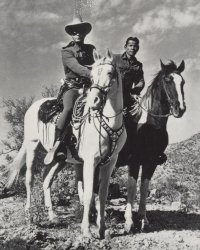
The enduring popularity of ‘Kemosabe’ largely stems from the iconic American Western franchise, The Lone Ranger. Debuting as a radio serial in 1933, it quickly captivated audiences, telling the adventures of a masked Texas Ranger and his Native American companion, Tonto.
In virtually every iteration of the story, from radio to television and film, Tonto addresses The Lone Ranger as ‘Kemosabe.’ This recurring address cemented the term in the public consciousness, creating an immediate, albeit often superficial, association with Native American speech and companionship.
The phrase’s consistent usage led many to assume it was a genuine term of endearment or a title of respect directly translated from a Native American language, specifically implying ‘faithful friend’ or ‘scout.’ This perception, while romanticized, overlooks the nuances of actual indigenous languages and the creative liberties taken in fictional narratives.
One of the most frequently asked questions about ‘Kemosabe’ is whether it is an authentic Native American word. The answer is nuanced: while ‘Kemosabe’ itself is largely a popularized, slightly altered version, it does have a strong linguistic antecedent in a real indigenous language.

The most widely accepted theory traces ‘Kemosabe’ back to Anishinaabemowin, also known as the Ojibwe language. Ojibwe is an Algonquian language spoken by the Anishinaabe people, who are Indigenous to the Great Lakes region of North America.
Specifically, the word is believed to be derived from the Ojibwe term gimoozaabi (or gimoozaabii). This is where the phonetic similarities become strikingly clear, suggesting a deliberate, albeit adapted, incorporation into the Lone Ranger script.
So, what does gimoozaabi truly mean in Anishinaabemowin? Unlike the popular interpretation of ‘faithful friend,’ the actual meaning is closer to ‘he looks in secret’ or ‘he who scouts.’ The root word, gimoozaa, refers to looking secretly or peeking, while the suffix -bi denotes looking.
This translation paints a different picture from the commonly understood ‘faithful friend.’ It suggests a role of observation, vigilance, or even espionage, which aligns well with a scout’s duties. This linguistic revelation significantly alters the perceived meaning of Tonto’s address to The Lone Ranger.
The creator of The Lone Ranger, George W. Trendle, and writer Fran Striker, reportedly had connections to summer camps in Michigan, where they might have encountered Ojibwe speakers or been exposed to the language. One theory suggests Trendle’s camp director was named ‘Kemosabe,’ or that the camp itself was called ‘Camp Kemosabe,’ leading to its adoption.
The slight alteration from gimoozaabi to ‘Kemosabe’ for broadcast purposes is not uncommon in media. It likely made the word easier for non-Native speakers to pronounce and remember, further solidifying its place in popular culture without widespread understanding of its true etymology.
The divergence between the popular understanding of ‘Kemosabe’ and its actual linguistic origin highlights a common issue in media: the simplification and sometimes misrepresentation of indigenous cultures and languages for narrative convenience.
While The Lone Ranger aimed to portray a heroic duo, the character of Tonto and his use of ‘Kemosabe’ have faced criticism over time. Tonto’s broken English and the often-stereotypical portrayal of Native Americans contributed to a broader pattern of cultural appropriation and caricature in early Hollywood.
The term ‘Kemosabe’ itself, stripped of its original meaning and recontextualized, became a symbol of this cultural simplification. For many Native Americans, such portrayals, while seemingly benign, can perpetuate harmful stereotypes and diminish the richness and complexity of their languages and traditions.

Understanding the true meaning of gimoozaabi is not merely an academic exercise; it is an act of linguistic respect. It acknowledges the authenticity and integrity of Anishinaabemowin and corrects a long-standing popular misconception.
Given its origins and the context in which it was popularized, is ‘Kemosabe’ an offensive term? The answer is complex and depends heavily on context and intent. When used by non-Native individuals, especially in a mocking or stereotypical manner, it can certainly be perceived as offensive.
However, if used by someone with an understanding of its Ojibwe roots and with genuine respect, or within a specific cultural context, its reception might differ. It is generally advisable for non-Native individuals to exercise caution and thoughtfulness when using terms derived from indigenous languages, especially those with a history of misrepresentation.
The character of Tonto, played notably by Jay Silverheels in the television series, was The Lone Ranger’s faithful Native American companion. Often depicted as wise and resourceful, Tonto served as a guide and protector, helping The Lone Ranger fight injustice in the Old West.
Tonto’s character, despite his positive attributes, has also been a subject of debate regarding stereotypical portrayals of Native Americans in media. His use of simplified English and his role as a sidekick, rather than an equal partner, reflect common tropes of the era.
The evolution of media portrayals of Native Americans shows a gradual shift towards more authentic and diverse representations. Contemporary indigenous filmmakers and writers are reclaiming narratives, offering nuanced perspectives that challenge historical stereotypes.
The story of ‘Kemosabe’ serves as a powerful case study in the intersection of language, popular culture, and cultural sensitivity. It teaches us the importance of questioning widely accepted narratives and seeking out the truth behind cultural artifacts.
By understanding the true meaning of gimoozaabi, we gain insight into the rich linguistic heritage of the Anishinaabe people. This knowledge encourages us to look beyond simplistic interpretations and appreciate the depth of indigenous languages.
Supporting indigenous language revitalization efforts is crucial for preserving cultural heritage. Languages are not just tools for communication; they embody worldviews, histories, and unique ways of understanding the universe.
The diversity of Native American languages is immense, with hundreds of distinct languages spoken across the continent before European contact. Each language carries its own unique lexicon, grammar, and cultural significance.
Engaging respectfully with indigenous cultures means listening to indigenous voices, learning from their perspectives, and actively challenging misrepresentations. It involves recognizing the sovereignty and self-determination of Native American nations.
In conclusion, ‘Kemosabe’ is far more than a simple nickname from a classic Western. While popularized by The Lone Ranger, its true linguistic ancestor is the Ojibwe word gimoozaabi, meaning ‘he looks in secret’ or ‘he who scouts.’
This distinction is vital. It corrects a long-standing misconception, sheds light on the creative liberties of early media, and underscores the broader issues of cultural appropriation and the importance of linguistic accuracy.
As we continue to navigate a world increasingly aware of cultural sensitivities, understanding the true story behind ‘Kemosabe’ encourages us to approach all cultural references with curiosity, respect, and a commitment to historical and linguistic truth.
Let the journey of ‘Kemosabe’ be a reminder that behind every popular phrase, especially those touching upon diverse cultures, there often lies a deeper, more authentic story waiting to be discovered and honored. High ho, silver, and high ho, truth!
Understanding the nuances of words like ‘Kemosabe’ helps in fostering a more informed and respectful global community. It’s an invitation to learn more about the vibrant tapestry of indigenous languages and cultures that enrich our world.
The original intent of the creators of The Lone Ranger might have been innocuous, but the impact of their creative choices on cultural perception is undeniable. This makes the effort to clarify the term’s meaning even more significant in today’s context.
Ultimately, the story of ‘Kemosabe’ is a microcosm of larger discussions around cultural identity, media representation, and the ongoing importance of preserving and understanding indigenous heritage. It is a call to look, not in secret, but with open eyes and minds.
For those interested in learning more, exploring resources from Anishinaabe communities and linguistic experts can provide deeper insights into the Ojibwe language and its profound cultural significance. This journey of learning is continuous and rewarding.
The process of debunking myths surrounding terms like ‘Kemosabe’ contributes positively to educational initiatives focused on indigenous studies and cultural awareness. It helps bridge gaps in understanding between different cultural groups.
Finally, embracing linguistic accuracy is a way to honor the original speakers and stewards of these languages. It acknowledges their intellectual property and cultural contributions, moving past simplistic interpretations to a place of genuine appreciation.
So, the next time you hear ‘Kemosabe,’ remember the intricate journey of a word, from the forests of the Great Lakes to the airwaves of America, and the rich linguistic heritage it truly represents.
It’s a story that underscores the power of language, both to connect and, when misunderstood, to misrepresent. Our role is to ensure that the narrative leans towards connection and accurate understanding.


