
The term ‘Kemosabe’ is instantly recognizable to millions, primarily associated with the classic American Western hero, The Lone Ranger, and his faithful Native American companion, Tonto. It’s a word that evokes nostalgia for a bygone era of radio shows and television series, yet its true meaning, origin, and cultural implications are far more nuanced and debated than many realize.
For decades, ‘Kemosabe’ has been embedded in popular culture, often used informally to address a friend, partner, or even a slightly naive individual. However, its seemingly innocuous usage belies a rich, and at times controversial, history that warrants a closer examination.
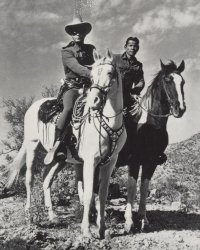
Our journey to understand ‘Kemosabe’ begins with its most famous proponents: The Lone Ranger and Tonto. The character of Tonto, introduced in 1933 on the Lone Ranger radio show, frequently used ‘Kemosabe’ to address his masked partner. This consistent usage cemented the term in the public consciousness as a Native American word for ‘friend’ or ‘trusted companion.’
The creators of The Lone Ranger, George W. Trendle and Fran Striker, are credited with popularizing the term. While the show presented it as a genuine Native American word, its true linguistic roots have been a subject of scholarly and public debate for many years, leading to various theories about its inception.
One of the most widely accepted theories regarding the origin of ‘Kemosabe’ points to the Potawatomi and Ojibwe languages, both part of the Algonquian language family. George W. Trendle reportedly spent summers at a boys’ camp called ‘Camp Kemosabe’ near Mullett Lake in northern Michigan, not far from Ojibwe and Potawatomi territories.
The name of this camp itself is believed to derive from an Ojibwe word. Linguists and historians suggest it may come from the Ojibwe word Gimoozaabi (or Gii-moozaabii), which translates roughly to ‘he looks out in secret’ or ‘he who looks ahead.’ This interpretation aligns remarkably well with the character of The Lone Ranger, a masked hero who often operated in secret and scouted ahead for justice.

Another proposed etymology links ‘Kemosabe’ to the Potawatomi word gizhoo-zaabi, meaning ‘he is kind’ or ‘he is friendly.’ Both interpretations suggest a positive, supportive relationship, fitting the dynamic between Tonto and the Lone Ranger, where Tonto was often the insightful, observant partner.
It is important to note that while these linguistic connections exist, ‘Kemosabe’ as a direct, widely recognized word for ‘friend’ in contemporary Ojibwe or Potawatomi is not commonly found. It was largely a creation or adaptation for the radio show, drawing inspiration from these languages rather than being a direct translation of a common phrase.
The question of whether ‘Kemosabe’ is a ‘real’ Native American word is complex. While it has roots and phonetic similarities to actual Algonquian words, its specific form and popularized meaning were largely constructed for the narrative of The Lone Ranger. It’s an invented word inspired by Native American languages, rather than an authentic, pre-existing term in common usage.
This distinction is crucial, as it touches upon issues of cultural representation and authenticity. For many Native American communities, terms like ‘Kemosabe’ can be seen as part of a broader pattern of simplification or misrepresentation of their rich and diverse cultures in popular media.
In its fictional context, Tonto’s use of ‘Kemosabe’ signified respect and camaraderie. It underscored the unique bond between the two characters, a partnership built on trust and mutual assistance in upholding justice in the Wild West. It was an affectionate term, meant to highlight their deep friendship.
Beyond its direct meaning, ‘Kemosabe’ came to symbolize the sidekick role, the loyal companion, or even the one who needs guidance. Its usage transcended the show, entering the American lexicon as a playful, if sometimes slightly patronizing, way to address someone.
However, the term’s journey into common parlance hasn’t been without its modern critiques. In contemporary discussions about cultural sensitivity, ‘Kemosabe’ has become a point of contention. The primary concern revolves around cultural appropriation and the perpetuation of stereotypes.
The Lone Ranger series, while beloved, emerged from an era when Native American characters were often portrayed stereotypically, lacking depth and agency. Tonto, despite being a hero, often spoke in broken English and served as a foil to the white protagonist. ‘Kemosabe’ is inextricably linked to this portrayal.
For some, using ‘Kemosabe’ today, especially by non-Native individuals, can be perceived as insensitive because it harks back to these problematic representations. It can be seen as trivializing Native American languages and cultures by using a term that, while inspired, was largely fabricated for entertainment and is associated with stereotypical imagery.
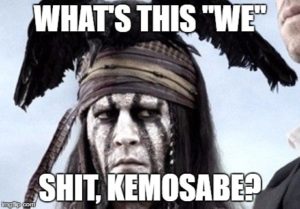

The debate isn’t about whether the term was intended to be offensive by its creators, but rather about its impact and associations in a more culturally aware present. Language evolves, and so does our understanding of historical representations.
Consider the context: if used playfully between close friends who understand the historical context and share a common cultural background, it might be seen as harmless. However, in a professional setting, or when addressing someone unfamiliar with its origins or who might find it offensive, its use is generally ill-advised.
In essence, ‘Kemosabe’ carries a dual legacy. On one hand, it’s a nostalgic emblem of classic American storytelling and a testament to the enduring appeal of The Lone Ranger. On the other, it serves as a reminder of the complexities of cultural representation and the ongoing need for respectful engagement with diverse histories and languages.
For those seeking alternatives to ‘Kemosabe’ that carry a similar sentiment of friendship and partnership without the cultural baggage, there are countless options. Simple terms like ‘friend,’ ‘pal,’ ‘partner,’ ‘colleague,’ or even ‘comrade’ convey similar meanings of camaraderie and trust.
The journey of ‘Kemosabe’ from a radio show’s catchphrase to a subject of academic and cultural scrutiny highlights the evolving nature of language and our collective understanding of history. It teaches us that words, even those intended innocently, can carry layers of meaning and association that change over time.
Understanding ‘Kemosabe’ means appreciating its fictional origins, acknowledging its linguistic inspirations, and critically examining its place in both historical and contemporary cultural discourse. It’s a term that invites us to reflect on how we use language and the stories we tell.
In conclusion, ‘Kemosabe’ is a fascinating linguistic artifact. While its popular meaning of ‘faithful friend’ or ‘trusted companion’ is widely understood, its origins are rooted in a creative adaptation of Algonquian words for a fictional narrative. Its legacy is a complex tapestry woven with threads of nostalgia, cultural representation, and evolving sensitivities. Approaching such terms with awareness and respect is paramount in our increasingly interconnected world.


