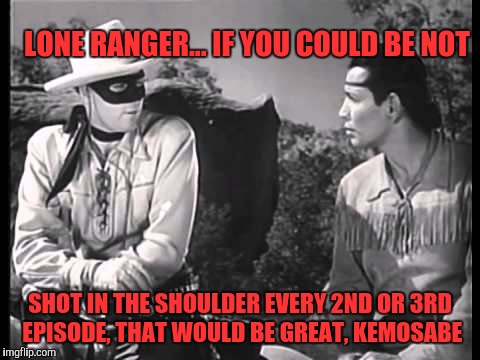
The word "Kemosabe" is deeply embedded in American popular culture, primarily due to its association with the iconic character of Tonto in The Lone Ranger series. While many fondly remember the masked hero and his Native American companion, the term "Kemosabe" itself carries a complex and often debated cultural significance. Understanding its origins, evolution, and the controversies surrounding its use is crucial for a nuanced perspective.
The Origins of Kemosabe: Fact vs. Fiction
The precise etymology of "Kemosabe" remains somewhat murky, contributing to the ongoing debates about its appropriateness. The most widely accepted origin traces back to Fran Striker, the writer of The Lone Ranger radio and television series. Striker claimed he derived the word from kemo-sah-bee, meaning "trusty scout" or "faithful friend" in the Potawatomi language.
However, this origin story has been heavily contested. Linguists and Native American language experts have found no evidence of "Kemosabe" existing in Potawatomi or any other Native American language with the claimed meaning. Some alternative theories suggest Striker may have fabricated the word or borrowed it from an obscure source, perhaps misinterpreting or misremembering it.
Popular Misconceptions About Kemosabe
One common misconception is that "Kemosabe" is a widely recognized and respected term within Native American cultures. The reality is quite different. While the term gained immense popularity through The Lone Ranger, its use by non-Native individuals is often viewed with skepticism and even offense.
Another misconception is that the meaning of "trusty scout" or "faithful friend" is universally accepted. Given the lack of linguistic evidence, this interpretation is largely attributed to the fictional context of the series rather than any authentic cultural understanding.
Kemosabe in Popular Culture: The Lone Ranger and Beyond
The Lone Ranger radio program debuted in 1933, quickly gaining a massive following. The character of Tonto, the Lone Ranger’s Native American companion, played a pivotal role in the series’ success. Tonto’s use of "Kemosabe" to address the Lone Ranger became a signature element, instantly recognizable to audiences across the nation.
The television adaptation of The Lone Ranger, which premiered in 1949, further cemented the term’s place in popular culture. The visual representation of the characters and their relationship reinforced the image of the Lone Ranger as the "Kemosabe," the trusted friend and ally.
Beyond The Lone Ranger, "Kemosabe" has appeared in various forms of media, often as a nostalgic reference to the classic Western series. It has been used in movies, television shows, commercials, and even song titles, demonstrating its enduring presence in the cultural lexicon.
However, this widespread use has also contributed to the dilution and potential misrepresentation of its meaning, further fueling the debates surrounding its cultural sensitivity.
Cultural Appropriation and the Controversy Surrounding Kemosabe
The use of "Kemosabe" by non-Native individuals raises significant questions about cultural appropriation. Cultural appropriation refers to the adoption or use of elements of a minority culture by members of the dominant culture, often without understanding or respecting the original context.
Critics argue that the use of "Kemosabe," particularly given its questionable origins and lack of grounding in actual Native American languages, perpetuates harmful stereotypes and trivializes Native American cultures. It can be seen as a form of cultural exploitation, where a dominant culture profits from and distorts the traditions of a marginalized group.
Furthermore, the portrayal of Tonto in The Lone Ranger has been criticized for reinforcing stereotypical images of Native Americans as subservient sidekicks. The use of "Kemosabe" within this context further contributes to the problematic representation of Native American identity.
The Native American Perspective on Kemosabe
It is crucial to understand how Native Americans themselves perceive the term "Kemosabe." For many, the word evokes a sense of discomfort and frustration. It serves as a reminder of the historical misrepresentation and marginalization of Native American cultures in mainstream media.
It’s important to listen to and respect the voices of Native Americans when discussing "Kemosabe" and other culturally sensitive terms. Their perspectives are essential for fostering a more informed and respectful understanding of cultural issues.
Modern Usage and the Ethical Considerations
In contemporary society, the use of "Kemosabe" is often viewed with caution. While some may use it innocently, unaware of its problematic connotations, others are acutely aware of the potential for offense.
Before using the term, it is essential to consider the context and audience. In many situations, it is best to avoid using "Kemosabe" altogether, particularly when interacting with Native American individuals or communities. Opting for more respectful and accurate language is always the preferred approach.
Alternatives to Using Kemosabe
If you are looking for alternative ways to express friendship or trust, there are many options that do not carry the same baggage as "Kemosabe." Simple and sincere expressions of appreciation and respect are always effective.
Using someone’s name is a respectful and personal way to address them. You can also use terms like "friend," "partner," or "ally," which convey a sense of camaraderie without relying on potentially offensive language.
The Lone Ranger Reboot and the Kemosabe Controversy
The 2013 film The Lone Ranger, starring Johnny Depp as Tonto, reignited the "Kemosabe" controversy. The film was heavily criticized for its stereotypical portrayal of Native Americans and its overall insensitivity to Native American cultures.
Depp’s casting as Tonto, in particular, drew widespread condemnation. Many argued that it was inappropriate for a non-Native actor to portray a Native American character, especially given the historical context of misrepresentation and marginalization.
The film’s use of "Kemosabe" further amplified the controversy. Critics argued that it reinforced the problematic dynamic between the Lone Ranger and Tonto, perpetuating the image of the Native American as a subservient sidekick.
The Impact of Media Representation on Cultural Perceptions
The media plays a powerful role in shaping cultural perceptions. The way Native Americans are portrayed in films, television shows, and other forms of media can have a significant impact on how they are viewed by the wider public.
When media representations are inaccurate, stereotypical, or disrespectful, they can contribute to prejudice and discrimination. It is essential for media creators to be mindful of the potential impact of their work and to strive for more authentic and nuanced portrayals of Native American cultures.
Conclusion: Navigating the Complexities of Kemosabe
The cultural significance of "Kemosabe" is far more complex than a simple definition of "trusty scout" might suggest. The term is intertwined with the history of The Lone Ranger, the problematic portrayal of Native Americans in popular culture, and the ongoing debates about cultural appropriation.
Understanding the origins, evolution, and controversies surrounding "Kemosabe" is crucial for navigating its use in contemporary society. By listening to and respecting the voices of Native Americans, we can foster a more informed and respectful understanding of cultural issues.
Ultimately, the decision of whether or not to use "Kemosabe" is a personal one. However, it is a decision that should be made with careful consideration and a deep awareness of the term’s complex and contested cultural significance. Choosing alternative expressions of friendship and respect is often the most appropriate and ethical approach.
Key Takeaways:
- The origin of ‘Kemosabe’ is debated, with no solid evidence in Native American languages.
- Its use is considered cultural appropriation by many Native Americans.
- Media representation significantly impacts cultural perceptions.
- Alternatives should be used to express friendship and respect.


