
The Jemez Pueblo Reservation, nestled in the scenic Jemez Mountains of New Mexico, represents a living testament to centuries of rich Native American history and enduring cultural heritage. For thousands of years, the ancestors of the Jemez people have inhabited this breathtaking landscape, cultivating a profound connection to the land that continues to thrive today.
This comprehensive guide invites you to delve into the fascinating world of the Jemez Pueblo, also known as Walatowa, a Towa word meaning ‘this is the place.’ We will explore its vibrant traditions, the significance of its ancestral lands, and what makes this community a vital part of New Mexico’s cultural tapestry.
A Rich Tapestry of History and Heritage
The history of the Jemez people is deeply woven into the fabric of the American Southwest. Archaeological evidence suggests their ancestors, the Towa-speaking people, settled in the Jemez River valley area around 1300 A.D., migrating from previous settlements further north.
During the Spanish colonial era, the Jemez people, like many other Pueblo nations, faced immense challenges. Despite periods of conflict and immense pressure to assimilate, they fiercely maintained their cultural identity and spiritual practices, demonstrating remarkable resilience.
One of the most significant events in their history was their involvement in the 1680 Pueblo Revolt, a unified uprising against Spanish rule that temporarily expelled the colonizers from New Mexico. This act of resistance underscores the Jemez people’s unwavering commitment to their sovereignty and way of life.
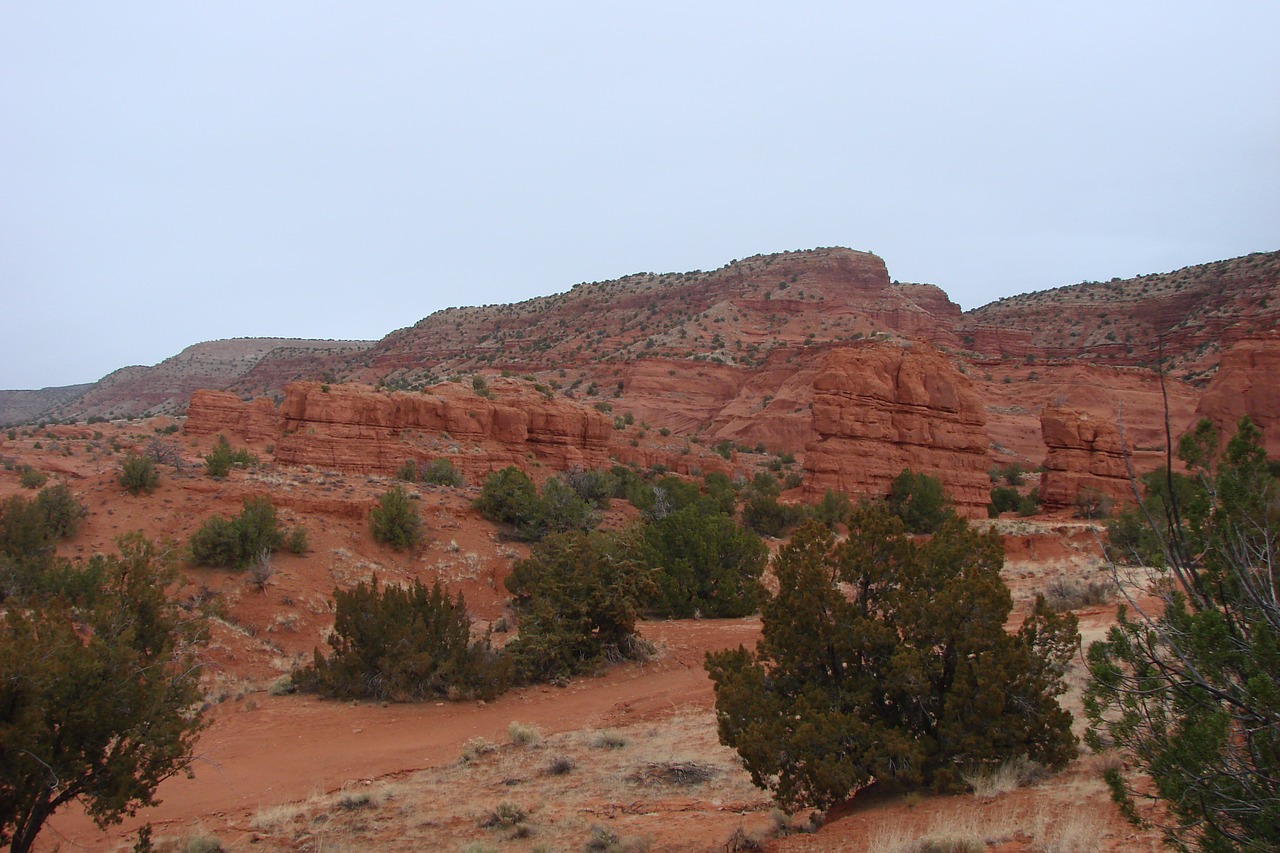
Today, the Jemez Pueblo continues to preserve its distinct heritage through language, ceremony, and art, ensuring that the wisdom and traditions of their ancestors are passed down through each generation.
The Heart of Jemez Culture: Language, Traditions, and Art
At the core of Jemez identity is the Towa language, one of the Tanoan languages spoken by several Pueblos in New Mexico. Efforts to preserve and revitalize Towa are paramount, with community programs dedicated to teaching the language to younger generations, recognizing its critical role in cultural continuity.
Traditional ceremonies and dances are integral to Jemez life, connecting the community to their spiritual beliefs, agricultural cycles, and ancestral past. These sacred events are often private and not open to the public, reflecting the deep respect and reverence held for these practices.
Jemez Pueblo is particularly renowned for its exquisite pottery. Characterized by its distinctive red and buff colors, often adorned with intricate designs, Jemez pottery is a celebrated art form. Each piece tells a story, reflecting the individual artist’s skill and the collective heritage of the Pueblo.
Visitors interested in learning more about Jemez culture and history should make their first stop at the Walatowa Visitor Center. This center provides invaluable insights into the Pueblo’s past and present, offering exhibits, cultural demonstrations, and a gift shop featuring authentic Jemez crafts.
Exploring the Natural Wonders Surrounding Jemez Pueblo
The reservation’s location in the Jemez Mountains offers a backdrop of stunning natural beauty. These mountains are not just picturesque; they hold deep spiritual significance for the Jemez people, providing resources, shelter, and sacred sites.
Just a short drive from the Pueblo is the magnificent Valles Caldera National Preserve, a massive volcanic crater that is now a hub for wildlife and outdoor recreation. While not part of the reservation, its close proximity highlights the unique geological wonders of the region.

The Jemez River, which flows through the reservation, is another vital natural feature, sustaining life and providing a source of water for traditional agriculture. The area is also known for its natural hot springs, offering relaxation and therapeutic benefits.
Iconic landmarks like Soda Dam, a unique natural rock formation created by mineral springs, and the picturesque Jemez Falls, are popular attractions nearby, drawing visitors to appreciate the raw beauty of the Jemez River canyon.
Visiting Jemez Pueblo: What You Need to Know
Can you visit Jemez Pueblo? Yes, visitors are welcome, but it is crucial to approach with respect and an understanding of tribal laws and cultural protocols. The Pueblo is a living community, not merely a tourist destination.
Visitors should always adhere to posted signs regarding photography, access to certain areas, and respect for privacy. Many areas, particularly during ceremonial times, may be closed to the public. The Walatowa Visitor Center is the best place to get up-to-date information on public access and regulations.
The Pueblo hosts several public events throughout the year, such as feast days, which may include dances and other cultural demonstrations. These events offer a unique opportunity to witness aspects of Jemez culture, but always remember to observe with reverence and follow all guidelines.
The importance of sustainable tourism cannot be overstated. By supporting official Pueblo enterprises and respecting the environment, visitors contribute positively to the community’s efforts to preserve its heritage and natural resources for future generations.
Economic Life and Community Resilience
Historically, the Jemez people have relied on agriculture, cultivating corn, beans, and squash, alongside hunting and gathering. These traditional livelihoods continue to inform their economic practices, even as modern enterprises emerge.
Today, the Jemez Pueblo operates various businesses, including the Walatowa Visitor Center, and participates in regional economic development initiatives. These efforts aim to create opportunities for community members while maintaining cultural integrity.
Education is also a cornerstone of community resilience. The Pueblo invests in educational programs that blend contemporary learning with traditional knowledge, ensuring that the Jemez language, history, and values continue to be taught and celebrated.
Answering Common Questions About Jemez Pueblo
What is Jemez Pueblo known for? Jemez Pueblo is renowned for its deep historical roots, its success in preserving the Towa language, its distinctive pottery, vibrant traditional ceremonies, and the stunning natural landscape of the Jemez Mountains that surrounds it.
What language do they speak in Jemez Pueblo? The primary indigenous language spoken at Jemez Pueblo is Towa, a member of the Tanoan language family. English is also widely spoken.
What tribe lives in Jemez Springs? While Jemez Springs is a nearby town, the Jemez Pueblo is the sovereign tribal nation in the area. The Jemez people are the traditional inhabitants and stewards of the land around the Jemez River valley and the surrounding mountains.
What is the population of Jemez Pueblo? The Jemez Pueblo has a vibrant and growing community. While exact numbers fluctuate, it is home to several thousand enrolled members, many of whom reside on the reservation.
Conclusion: A Living Legacy
The Jemez Pueblo Reservation stands as a powerful symbol of enduring culture, resilience, and a profound connection to the land. From its ancient history and the preservation of the Towa language to its vibrant artistic traditions and the breathtaking natural beauty of the Jemez Mountains, the Pueblo offers a unique and enriching experience.
For those seeking to understand and appreciate the depth of Native American heritage, a respectful visit to Jemez Pueblo provides an invaluable opportunity. It is a place where history lives, traditions thrive, and the spirit of a proud people continues to flourish, inviting all to learn and engage with reverence and respect.


