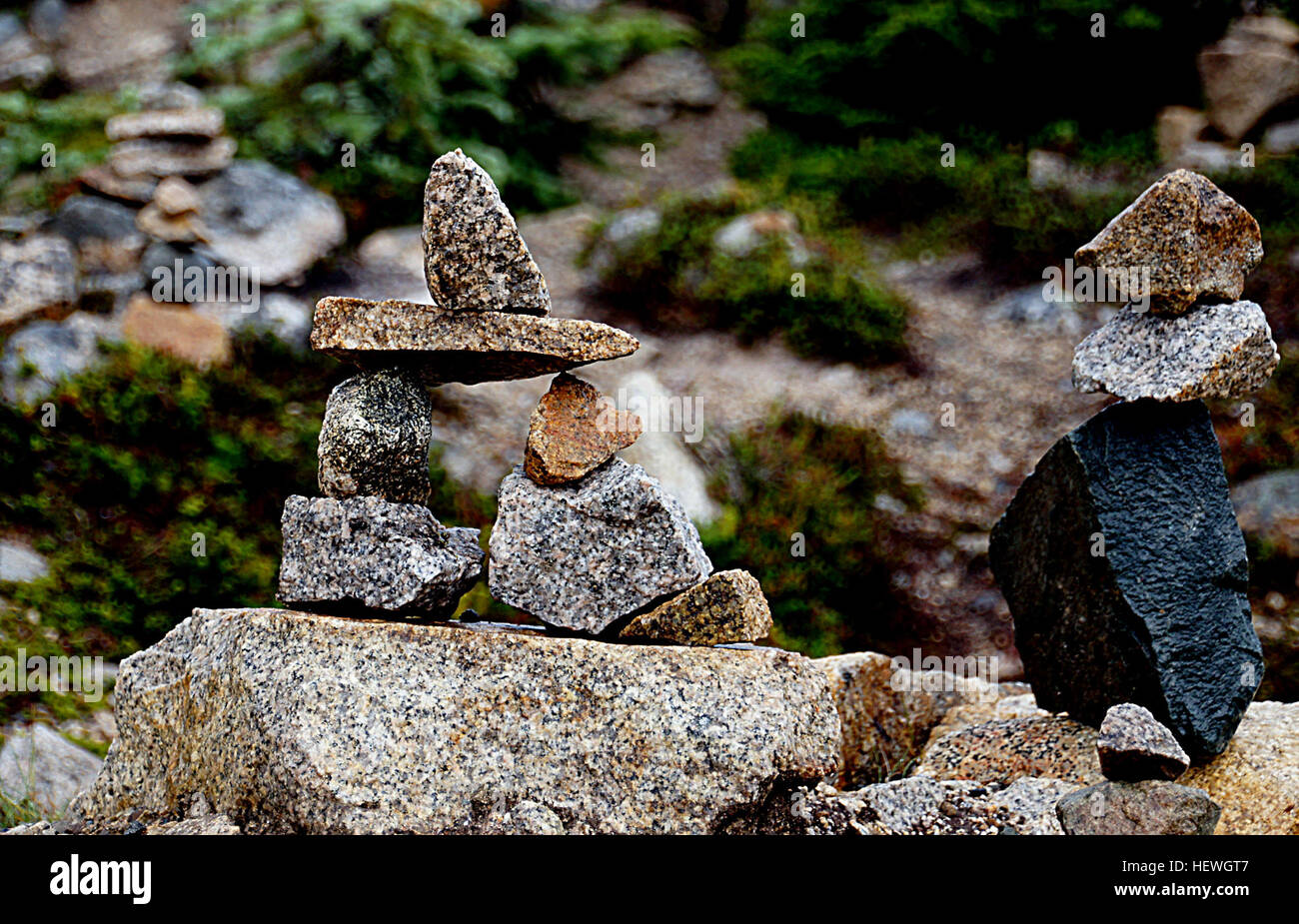

For millennia, the Inupiat people of Arctic Alaska have thrived in one of the world’s most challenging environments. Their survival and prosperity depended not only on their hunting skills but also on their profound understanding of the natural world, particularly their mastery of traditional navigation. This wasn’t just about finding their way; it was a complex system interwoven with cultural values, ecological knowledge, and spiritual connection to the land and sea.
Unlike Western navigation, which relies heavily on instruments and maps, Inupiat navigation is based on keen observation, accumulated knowledge passed down through generations, and an intimate relationship with the Arctic landscape. It’s a testament to human ingenuity and adaptability, showcasing how people can thrive by understanding and respecting their environment.
This article delves into the fascinating world of Inupiat traditional navigation, exploring its key elements, techniques, and cultural significance. We’ll uncover how the Inupiat people navigated vast distances across the sea ice and open water, using the stars, sea currents, animal behavior, and ancestral wisdom as their guides.
The Foundations of Inupiat Navigation: A Deep Connection to the Arctic
Inupiat navigation is more than just a set of skills; it’s a worldview. It’s rooted in a deep respect for the environment and an understanding that humans are part of a larger interconnected system. This perspective shapes how they interact with the land and sea and informs their navigation practices.
Observation and Environmental Knowledge


- Sea Ice Conditions: Understanding the formation, movement, and stability of sea ice is crucial. Inupiat navigators can read the ice, identifying weak spots, pressure ridges, and areas prone to breaking.
- Weather Patterns: Predicting weather changes is essential for safe travel. They pay close attention to wind direction, cloud formations, and temperature fluctuations.
- Ocean Currents: Knowledge of ocean currents is vital for navigating open water. They understand how currents affect their speed and direction.
- Animal Behavior: Observing the behavior of animals, such as seals, whales, and birds, can provide clues about weather conditions, ice conditions, and the location of open water. For example, birds flying in a certain direction might indicate the presence of land or open water.
Oral Tradition and Intergenerational Knowledge Transfer
Inupiat navigation knowledge is primarily transmitted orally, from elders to younger generations. Stories, songs, and practical exercises are used to teach the skills and knowledge necessary for safe and successful travel. This oral tradition ensures that valuable information is preserved and passed on through time.
Spiritual Connection to the Land and Sea
The Inupiat people have a deep spiritual connection to the land and sea. They believe that the environment is alive and possesses a spirit. This belief influences their navigation practices, encouraging them to treat the environment with respect and to seek guidance from the spirits of the land and sea.
Key Techniques of Inupiat Traditional Navigation
The Inupiat employed a variety of sophisticated techniques to navigate their environment. These techniques, honed over centuries, allowed them to travel safely and efficiently across vast distances.
Star Navigation
Like many indigenous cultures, the Inupiat used the stars as a primary means of navigation. They possessed a deep understanding of celestial movements and could identify key constellations and stars to determine their direction. The North Star (Polaris) was particularly important, serving as a fixed point of reference.


Wave Patterns and Swells
Even on seemingly featureless stretches of ocean, the Inupiat could discern subtle patterns in the waves and swells. They understood how these patterns were affected by landmasses, ice formations, and wind direction. By carefully observing these patterns, they could determine their approximate location and direction.
Land Marks and Coastal Features
When traveling along the coast, the Inupiat relied on landmarks and coastal features to guide their way. They memorized the shapes of mountains, the locations of rivers, and the appearance of distinctive rock formations. They also used these landmarks to create mental maps of their territory.
Using Ice Features for Navigation
Navigating on sea ice requires specialized knowledge. The Inupiat could identify different types of ice, assess its stability, and predict its movement. They used ice ridges, cracks, and other features as landmarks and directional guides. They also understood how the ice was affected by wind, currents, and tides.
Piloting and Wayfinding
Piloting involves using a combination of observation, knowledge, and experience to navigate a specific route. Inupiat navigators were skilled at piloting along coastlines, through ice floes, and across open water. They used their knowledge of currents, tides, and weather patterns to anticipate challenges and adjust their course accordingly.
Tools and Technologies Used in Traditional Navigation
While Inupiat navigation relies primarily on observation and knowledge, certain tools and technologies aided their journeys.
Kayaks and Umiaks
The kayak (qayaq) and umiak (umiaq) were essential for transportation and navigation. The kayak, a small, single-person boat, was used for hunting and fishing. The umiak, a larger, open boat, was used for transporting families, goods, and hunting parties. Both types of boats were carefully crafted to be lightweight, durable, and seaworthy.
Traditional Maps and Charts
- Stick Charts: Made from driftwood and seal gut, these charts depicted coastlines, islands, and currents.
- Relief Maps: Carved from wood or ivory, these maps showed the topography of the land.
Navigation Instruments
- Sun Compass: Used to determine direction based on the position of the sun.
- Shadow Stick: Used to measure the length and direction of shadows, providing information about the time of day and the direction of the sun.
The Cultural Significance of Inupiat Navigation
Inupiat navigation is deeply intertwined with their culture, identity, and way of life. It’s more than just a practical skill; it’s a reflection of their relationship with the environment and their understanding of the world.
Navigation as a Cultural Identity
Navigation skills are a source of pride and cultural identity for the Inupiat people. Passing down navigation knowledge from one generation to the next helps to preserve their cultural heritage and maintain their connection to their ancestral lands.
The Role of Navigation in Subsistence Hunting
Navigation is essential for successful subsistence hunting. The Inupiat rely on hunting marine mammals, fish, and birds for food and resources. Their ability to navigate accurately allows them to find and harvest these resources sustainably.
Navigation and Storytelling
Stories play a vital role in transmitting navigation knowledge and cultural values. Stories about legendary navigators, dangerous journeys, and encounters with the spirit world are used to teach younger generations about the importance of respect, resilience, and resourcefulness.
Modern Challenges and the Preservation of Traditional Knowledge
Today, the Inupiat people face numerous challenges, including climate change, resource development, and the loss of traditional knowledge. These challenges threaten their way of life and their ability to maintain their cultural heritage.
The Impact of Climate Change on Navigation
Climate change is having a significant impact on the Arctic environment, including the melting of sea ice, changes in weather patterns, and shifts in animal populations. These changes make navigation more challenging and unpredictable, threatening the safety and security of Inupiat hunters and travelers.
Efforts to Preserve Traditional Navigation Knowledge
- Language Revitalization Programs: Promoting the use of the Inupiaq language, which is essential for transmitting cultural knowledge.
- Cultural Centers and Museums: Creating spaces where traditional knowledge can be shared and celebrated.
- Mentorship Programs: Pairing elders with younger people to ensure that navigation skills are passed on to the next generation.
Integrating Traditional Knowledge with Modern Technology
Some Inupiat communities are exploring ways to integrate traditional knowledge with modern technology. This might involve using GPS technology to supplement traditional navigation skills or using satellite imagery to monitor sea ice conditions. The goal is to find ways to use technology to enhance, rather than replace, traditional knowledge.
Conclusion: The Enduring Legacy of Inupiat Navigation
Inupiat traditional navigation is a testament to the ingenuity, adaptability, and resilience of the human spirit. It’s a complex system of knowledge, skills, and values that has allowed the Inupiat people to thrive in one of the world’s most challenging environments for millennia. By understanding and preserving this knowledge, we can learn valuable lessons about how to live sustainably and respectfully in our world.
- Deep Environmental Knowledge: A profound understanding of sea ice, weather patterns, ocean currents, and animal behavior.
- Observation Skills: Keen ability to observe and interpret subtle changes in the environment.
- Oral Tradition: Preservation and transmission of knowledge through stories, songs, and practical exercises.
- Cultural Values: Respect for the environment, spiritual connection to the land and sea, and a strong sense of community.
As the Arctic continues to change, the wisdom and knowledge of the Inupiat people will become even more valuable. By working together, we can ensure that their traditional navigation skills are preserved for future generations and that their unique cultural heritage continues to thrive.
The Inupiat navigation provides a unique perspective on how humans can thrive in even the harshest environments by respecting and understanding the natural world. It serves as an inspiration for sustainable living and cultural preservation in a rapidly changing world.


