

The Inupiat people of Alaska’s Arctic have a rich, millennia-old tradition of subsistence hunting, a practice deeply intertwined with their culture, survival, and identity. This vital activity provides food, materials, and strengthens community bonds. However, the unforgiving Arctic environment presents unique and formidable challenges, making safety paramount for every hunter.
Hunting in the Arctic is not merely a pastime; it is a way of life, a skill passed down through generations. While traditional knowledge forms the bedrock of safe hunting practices, modern advancements and a proactive approach to safety are equally crucial. This comprehensive guide aims to illuminate essential safety tips for Inupiat hunters, ensuring both personal well-being and the continuation of this invaluable cultural heritage.
Pre-Hunt Preparation: The Foundation of Safety
Thorough preparation is the most critical step in mitigating risks in the Arctic. Neglecting any aspect of readiness can have severe consequences in such a remote and extreme environment.
Weather and Environmental Assessment: The Arctic weather is notoriously unpredictable and can change dramatically in minutes. Always check detailed weather forecasts before departing. Pay close attention to wind chill, visibility, potential for blizzards, and ice conditions. Even a clear day can quickly turn dangerous.
Gear Inspection and Packing: Your gear is your lifeline. Ensure all equipment is in excellent working order. This includes firearms, ammunition, knives, snowmachines, boats, and all personal protective equipment. Create a comprehensive packing list and double-check everything before leaving.


- Clothing: Layering is key. Wear warm, waterproof, and windproof outer layers. Include extra hats, gloves, socks, and insulated boots.
- Navigation: Carry multiple navigation tools: a reliable GPS device, a compass, and detailed physical maps. Ensure batteries are charged and spares are readily available.
- Communication: A satellite phone or two-way satellite messenger is indispensable in areas without cell service. Carry fully charged cell phones for areas with coverage, but do not rely solely on them.
- Survival Kit: Pack an emergency survival kit including fire starters, a first-aid kit, emergency food and water, a shelter tarp, and repair tools for your snowmachine or boat.
Trip Plan and Communication: Always inform someone reliable about your hunting route, destination, expected return time, and who is in your party. Establish a check-in schedule. If plans change, update your contact person immediately. This ‘float plan’ or ‘travel plan’ is vital for search and rescue efforts if you become overdue.
Navigating the Arctic Environment: Awareness and Adaptability
The Arctic landscape, while beautiful, is fraught with hidden dangers. Understanding and respecting the environment is crucial for survival.
Ice Safety: Whether on sea ice, river ice, or lake ice, conditions can vary greatly. Never assume ice is safe. Look for signs of thin ice, open leads, and areas of pressure ridges. Travel with experienced guides and always test the ice ahead of you. Be aware that climate change is making ice conditions increasingly unpredictable.
Snowmachine and Boat Safety: These are essential tools but demand respect. Operate snowmachines at safe speeds, especially in unfamiliar terrain or poor visibility. Always wear a helmet. For boats, ensure proper maintenance, carry sufficient fuel, and wear personal flotation devices (PFDs) at all times, even if you are an experienced swimmer. Be mindful of changing tides and currents.
Wildlife Encounters: The Arctic is home to powerful wildlife, including polar bears, grizzly bears, and muskoxen. Always carry appropriate deterrents (e.g., bear spray, firearms with suitable caliber) and know how to use them. Avoid startling animals, and never approach cubs or calves. Maintain situational awareness and scan your surroundings constantly.
Hypothermia and Frostbite: These are constant threats. Recognize the symptoms of hypothermia (shivering, confusion, clumsiness) and frostbite (numbness, waxy skin). Dress in layers, stay dry, and seek shelter immediately if symptoms appear. Proper nutrition and hydration also play a critical role in maintaining body temperature.
Equipment and Weapon Safety: Handling with Care
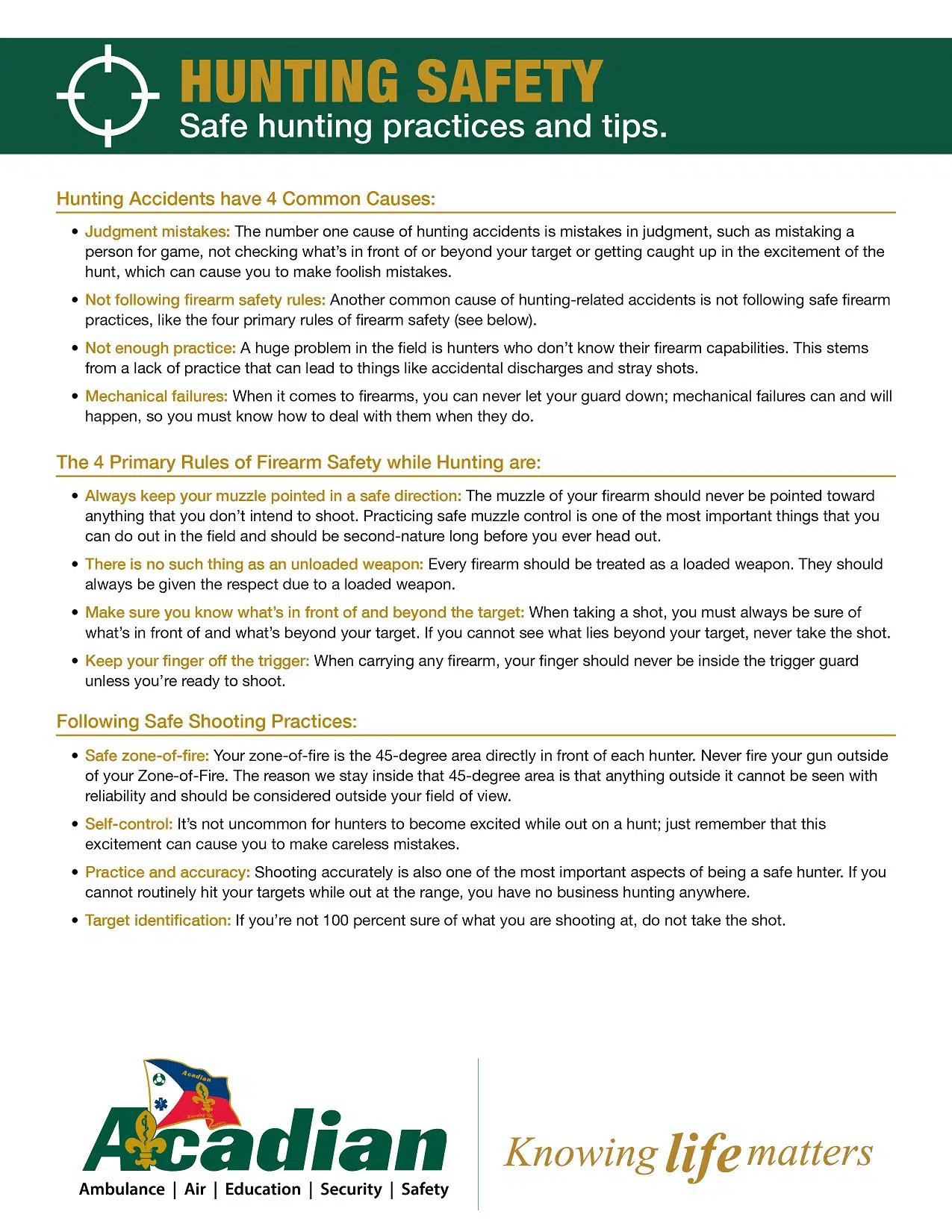

Careless handling of hunting equipment is a leading cause of accidents. Adhere strictly to safety protocols.
Firearm Safety: Treat every firearm as if it’s loaded. Keep the muzzle pointed in a safe direction, keep your finger off the trigger until ready to shoot, and be sure of your target and what’s beyond it. Store firearms unloaded and secured when not in use. Know your weapon and practice regularly.
Knife Safety: Knives are indispensable tools but can cause serious injury. Always cut away from your body. Keep knives sharp, as dull blades require more force and are more likely to slip. Store them in protective sheaths.
ATV and Snowmachine Maintenance: Regularly inspect tires, brakes, lights, and fluid levels. Carry a basic tool kit for field repairs. Never overload your vehicle and ensure passengers are safely seated.
Emergency Preparedness and Survival Skills
Despite all precautions, emergencies can happen. Being prepared to handle them is vital.
Signaling for Help: In an emergency, knowing how to signal for help is crucial. This includes using a satellite communicator’s SOS function, signal flares, a signal mirror, or building large ground-to-air signals visible from above.
Basic Survival Skills: Hunters should be proficient in basic survival skills: building a fire in adverse conditions, constructing an emergency shelter, finding and purifying water, and signaling for rescue. Practicing these skills beforehand can make a significant difference.
Cultural Considerations and Traditional Knowledge
Inupiat hunting safety is not solely about modern gear; it’s deeply rooted in ancestral wisdom and community values.
Listening to Elders: Elders hold a vast reservoir of knowledge about the land, animal behavior, weather patterns, and safe travel routes. Their insights, often gained over decades, are invaluable and should be respected and sought out.
Respect for the Land and Animals: Traditional Inupiat ethics emphasize respect for the environment and the animals hunted. This respect often translates into careful planning, sustainable practices, and an intimate understanding of the ecosystem, which inherently contributes to safety.
Community Support: The Inupiat community thrives on mutual support. Hunters often share resources, knowledge, and assist one another in times of need. This collective responsibility enhances overall safety for everyone involved in subsistence activities.
Post-Hunt Safety Protocols
Safety doesn’t end when the animal is harvested. The journey back and processing require continued vigilance.
Safe Transport of Harvest: Properly secure the harvested animal on your snowmachine or boat to prevent shifting during travel, which could unbalance the vehicle or obstruct your view. Distribute weight evenly.
Meat Processing and Storage: Handle meat hygienically to prevent spoilage and foodborne illnesses. Process meat quickly and efficiently, especially in warmer conditions. Store it appropriately to preserve its quality and ensure it’s safe for consumption.
Reporting and Sharing: In many communities, sharing the harvest is a fundamental practice. Report your successful hunt to community members and share the bounty, reinforcing communal ties and ensuring everyone benefits from the subsistence lifestyle.
Inupiat hunting is a powerful testament to human resilience and connection to the land. By integrating meticulous preparation, environmental awareness, disciplined equipment handling, and robust emergency planning with the timeless wisdom of traditional knowledge, hunters can continue to pursue their vital subsistence activities safely and successfully for generations to come. The Arctic demands respect, and a commitment to safety is the highest form of that respect.
Stay vigilant, stay prepared, and may your hunts be safe and bountiful.


