
The Inupiat people of Arctic Alaska have a rich and vibrant culture, deeply intertwined with the land, sea, and their ancestral traditions. Storytelling, in its many art forms, is at the heart of this culture. It serves not only as entertainment but also as a vital means of preserving history, transmitting knowledge, and reinforcing community bonds. This article delves into the fascinating world of Inupiat storytelling art forms, exploring their significance, techniques, and enduring legacy.
The Power of Oral Tradition
For centuries, the Inupiat relied on oral tradition to pass down their history, legends, and practical knowledge. Stories were often told during the long winter nights, accompanied by drumming and dancing. These narratives encompassed a wide range of topics, from creation myths and heroic sagas to everyday experiences and moral lessons. The elders, respected for their wisdom and memory, played a crucial role in preserving and sharing these stories.
Key Elements of Inupiat Oral Narratives
- Vivid Imagery: Storytellers use descriptive language to paint a picture in the listener’s mind, bringing the story to life.
- Repetition: Key phrases and motifs are often repeated to emphasize important themes and aid memorization.
- Song and Dance: Many stories are accompanied by songs and dances, adding another layer of meaning and engagement.
- Moral Lessons: Stories often convey important moral lessons, teaching children about proper behavior and values.
- Connection to the Land: The land and its resources play a central role in many stories, reflecting the Inupiat’s deep connection to their environment.
Dance as Storytelling: Movement and Meaning

Dance is another powerful form of Inupiat storytelling. Traditional dances often depict hunting scenes, animal behavior, or historical events. The movements are precise and symbolic, conveying specific meanings to the audience. Dancers wear elaborate costumes and masks, further enhancing the storytelling experience.
Types of Inupiat Dances
- Storytelling Dances: These dances directly narrate stories, using movement, gestures, and facial expressions to convey the plot and characters.
- Animal Dances: These dances imitate the movements and behaviors of animals, such as seals, whales, and caribou, demonstrating respect for these creatures and their importance to the Inupiat way of life.
- Celebratory Dances: These dances are performed to celebrate successful hunts, important events, or seasonal changes.
Carving: Stories Etched in Ivory and Bone
Inupiat carving is a highly skilled art form that involves shaping ivory, bone, and wood into intricate figures and objects. These carvings often depict animals, people, and scenes from everyday life. They serve not only as decorative items but also as visual representations of stories and beliefs.
The Significance of Materials
- Ivory: Ivory, primarily from walrus tusks, is a highly valued material that symbolizes strength and resilience.
- Bone: Bone, often from whales or other marine mammals, represents the connection to the sea and the importance of these animals to the Inupiat diet.
- Wood: Wood, typically driftwood found along the coast, is used for larger carvings and masks.
Common Themes in Inupiat Carvings
- Animals: Animals, such as polar bears, seals, and whales, are frequently depicted, reflecting their importance to the Inupiat way of life.
- Hunters: Carvings of hunters depict their skills and bravery, highlighting the importance of hunting to the Inupiat survival.
- Spiritual Figures: Some carvings represent spiritual figures and mythological beings, reflecting the Inupiat’s beliefs and worldview.
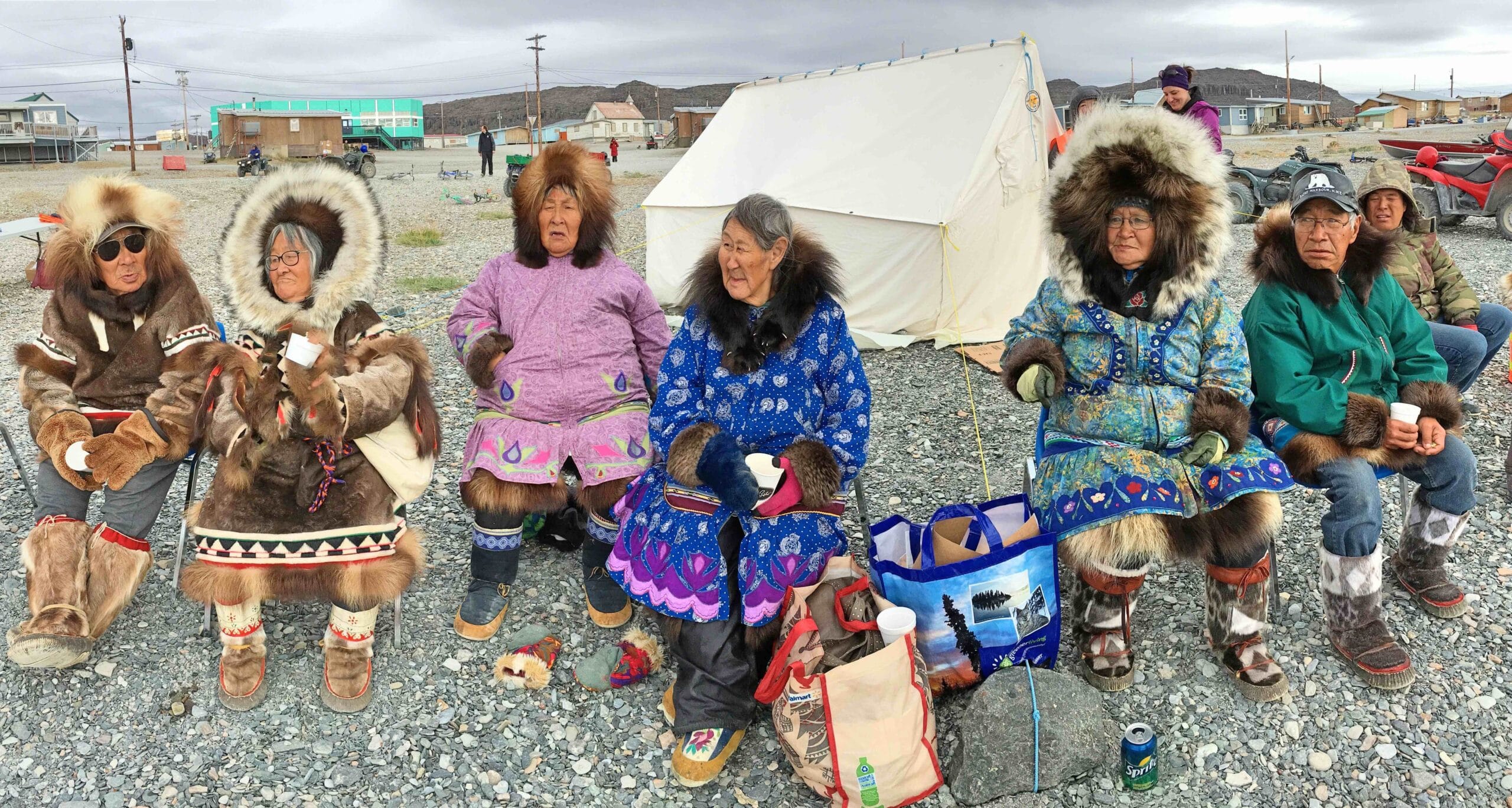
Skin Sewing: Stitching Together Stories
Skin sewing is another important Inupiat art form that involves creating clothing, tools, and other items from animal hides. The intricate designs and patterns sewn into these items often tell stories or convey symbolic meanings. Skin sewing is not only a practical skill but also a way of preserving cultural traditions and artistic expression.
Materials Used in Skin Sewing
- Sealskin: Sealskin is used for clothing, boots, and other items that need to be waterproof and durable.
- Caribou Skin: Caribou skin is used for warm and lightweight clothing, such as parkas and mittens.
- Walrus Hide: Walrus hide is used for strong and durable items, such as boat covers and rope.
Symbolic Designs in Skin Sewing
- Geometric Patterns: Geometric patterns, such as triangles and diamonds, can represent natural elements, such as mountains, rivers, and stars.
- Animal Motifs: Animal motifs, such as seals, whales, and birds, can represent the importance of these animals to the Inupiat way of life.
- Family Crests: Some families have their own unique crests that are sewn into their clothing and other items, representing their lineage and identity.
The Role of Masks in Storytelling
Masks play a significant role in Inupiat storytelling, particularly in dances and ceremonies. Masks are typically made from wood, bone, or animal skin and are often adorned with feathers, fur, and other decorative elements. They represent different characters, spirits, or animals, helping to bring the stories to life.
Types of Inupiat Masks
- Transformation Masks: These masks can be opened to reveal another face or image, representing the changing nature of the spirit world.
- Animal Masks: These masks represent different animals, allowing the wearer to embody the spirit and characteristics of that animal.
- Spirit Masks: These masks represent different spirits and mythological beings, allowing the wearer to connect with the spirit world.
The Significance of Mask Making
The process of making a mask is often a spiritual and transformative experience. Mask makers carefully select the materials and designs, imbuing the mask with their own energy and intentions. The mask is then used in ceremonies and dances to connect with the spirit world and tell stories.
Preserving Inupiat Storytelling Art Forms for Future Generations
Inupiat storytelling art forms are facing numerous challenges in the modern world, including the loss of elders who hold traditional knowledge, the influence of Western culture, and the impacts of climate change on the environment. However, there are also many efforts underway to preserve and revitalize these art forms for future generations.
Educational Programs
Educational programs in schools and communities are teaching young people about Inupiat history, language, and culture, including storytelling art forms. These programs help to ensure that traditional knowledge is passed down to the next generation.
Cultural Centers and Museums
Cultural centers and museums are showcasing Inupiat art and culture, providing a platform for artists and storytellers to share their work with a wider audience. These institutions also play a vital role in preserving and documenting traditional knowledge.
Supporting Artists and Storytellers
Supporting Inupiat artists and storytellers is essential for ensuring the continued vitality of these art forms. This can be done through grants, residencies, and other forms of financial support. It is also important to create opportunities for artists and storytellers to share their work and connect with audiences.
The Enduring Legacy of Inupiat Storytelling
Inupiat storytelling art forms are more than just entertainment or decoration. They are a vital part of the Inupiat culture, preserving history, transmitting knowledge, and reinforcing community bonds. By understanding and appreciating these art forms, we can gain a deeper understanding of the Inupiat people and their rich cultural heritage.
Answering Common Questions (People Also Ask)
What are the main themes in Inupiat stories? Common themes include the relationship with nature, survival, family, and the importance of community.
How are Inupiat stories passed down? Primarily through oral tradition, dance, and artistic representations such as carvings and skin sewing.
Why is storytelling important to the Inupiat people? It preserves their history, transmits knowledge, reinforces cultural values, and strengthens community bonds.
What are some examples of Inupiat art forms used in storytelling? Oral narratives, dance, carving (ivory, bone, wood), skin sewing, and mask making.
How are Inupiat storytelling traditions being preserved today? Through educational programs, cultural centers, museums, and support for artists and storytellers.
Conclusion
Inupiat storytelling art forms represent a powerful and enduring legacy. Through oral narratives, dance, carving, skin sewing, and mask making, the Inupiat people have preserved their history, transmitted their knowledge, and reinforced their community bonds for generations. As we move forward, it is crucial to support and celebrate these art forms, ensuring that they continue to thrive and inspire for many years to come. By understanding and appreciating the rich tapestry of Inupiat storytelling, we honor the resilience, creativity, and cultural heritage of this remarkable community.
This exploration of Inupiat storytelling art forms reveals a profound connection between art, culture, and history. The intricate details of each art form – from the rhythmic movements of dance to the delicate stitches of skin sewing – speak volumes about the Inupiat people’s relationship with their environment and their commitment to preserving their cultural identity. The continued efforts to revitalize and promote these art forms are a testament to their enduring importance and a vital contribution to the world’s cultural heritage.


