
The Inupiat Malamute, a magnificent and powerful Arctic breed, is renowned for its strength, endurance, and striking appearance. Originating from the Arctic regions, these dogs were bred by the Inupiaq people for demanding tasks like pulling heavy sleds, hunting, and companionship in harsh environments. Their rich history as working dogs has deeply shaped their temperament, making their training a unique and rewarding endeavor.
Training an Inupiat Malamute requires a deep understanding of their breed-specific traits: intelligence, independence, and a strong will. They are not merely pets; they are partners with a lineage of purpose and resilience. This comprehensive guide will delve into effective training strategies, addressing common challenges, and celebrating the triumphs of raising a well-behaved and happy Inupiat Malamute.
Understanding the Inupiat Malamute: A Glimpse into Their World
Before embarking on any training regimen, it’s crucial to grasp the core characteristics that define the Inupiat Malamute. Their ancestry as sled dogs means they possess an innate drive to work, pull, and explore. This isn’t just a preference; it’s a fundamental aspect of their being.
Their temperament is a fascinating blend of loyalty, affection, and independence. While they form strong bonds with their families, Malamutes are often described as ‘cat-like’ in their self-sufficiency. They are intelligent problem-solvers, which can be a double-edged sword: brilliant students when engaged, but equally brilliant at finding ways to entertain themselves if bored, often through destructive behaviors.
Key Principles for Successful Malamute Training
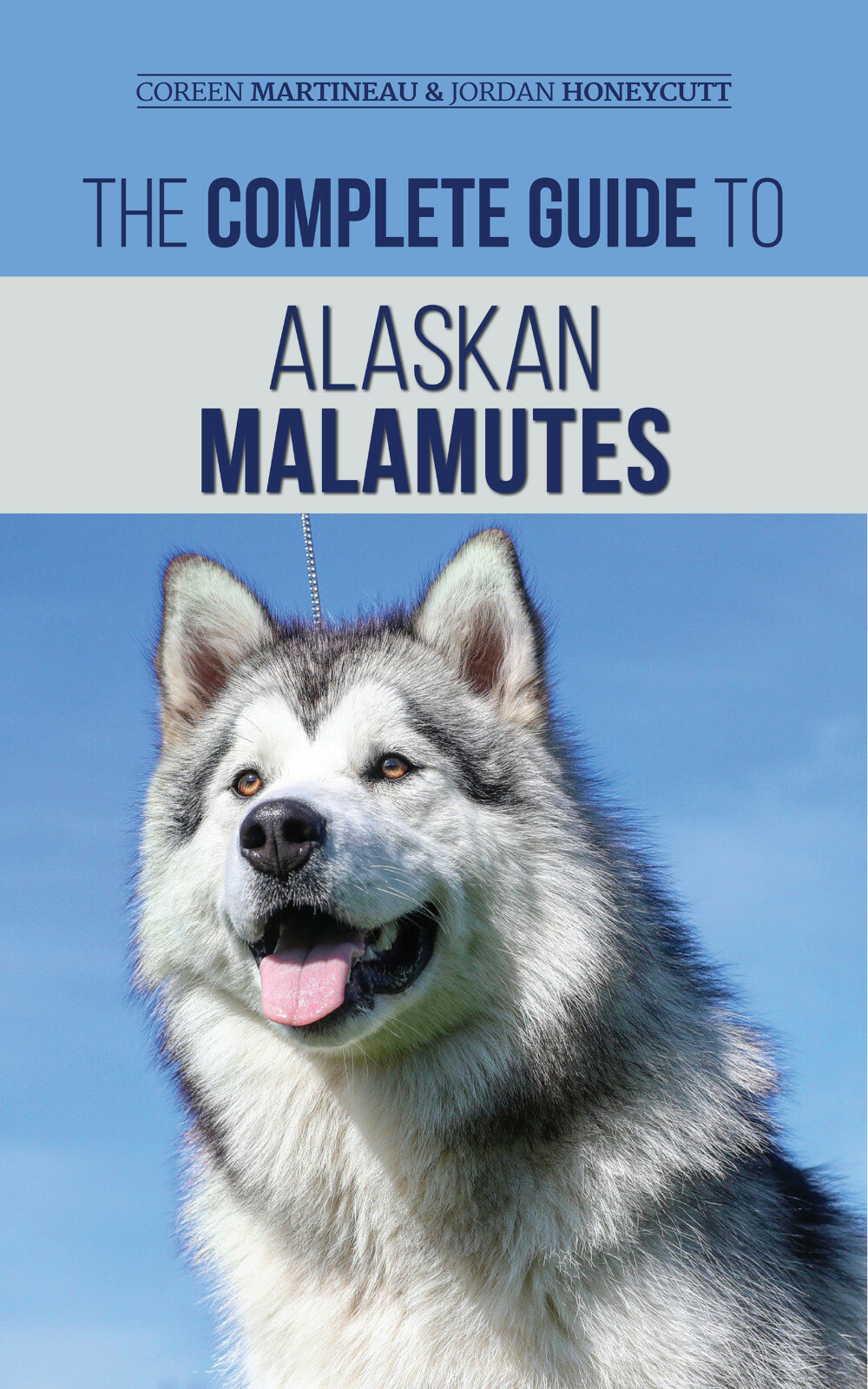
Effective Inupiat Malamute training hinges on several foundational principles that respect their nature while guiding them toward desired behaviors. These aren’t just tips; they are the pillars of a successful relationship.
Early Socialization is Non-Negotiable: From a young age, expose your Malamute puppy to a wide variety of sights, sounds, people, and other well-vaccinated dogs. This builds confidence and helps prevent fear-based aggression or shyness. Puppy classes are an excellent resource for structured socialization.
Positive Reinforcement is Paramount: Inupiat Malamutes respond best to rewards-based training. Harsh corrections or punishment can damage their trust and lead to resentment or resistance. Use high-value treats, praise, and play to reward desired behaviors, making training a positive experience.
Consistency and Patience are Your Best Tools: Malamutes are intelligent but can be stubborn. What you allow one day, you must allow every day, or not at all. Be patient; some concepts may take longer to grasp, but persistence pays off.
Establishing Clear, Humane Leadership: Malamutes thrive with a clear leader. This doesn’t mean dominance or force, but rather consistent boundaries, predictable routines, and calm, confident guidance. You are the provider of resources (food, walks, play), and your Malamute should view you as a reliable and fair leader.
Essential Training Commands and Skills
Building a strong foundation of basic obedience is critical for managing such a powerful and independent breed. These commands are not just tricks; they are vital for safety and effective communication.
- Basic Obedience Commands: ‘Sit’, ‘Stay’, ‘Come’ (recall), ‘Down’, and ‘Heel’ are fundamental. Practice these in various environments, gradually increasing distractions. A reliable ‘Come’ command is especially important for a dog with a strong prey drive.
- Leash Training: Due to their strength and pulling instincts, proper leash training is vital from day one. Invest in a sturdy harness (front-clip harnesses can help with pulling) and practice walking calmly beside you. Never allow your Malamute to drag you.
- Crate Training: A crate can be a safe haven for your Malamute, aiding in house-training, preventing destructive chewing, and providing a secure space when you’re away. Introduce it positively with treats and toys.
- House Training: Establish a consistent potty schedule, reward outdoor elimination, and promptly clean up any indoor accidents without punishment.
Addressing Common Inupiat Malamute Training Challenges

Malamutes present unique challenges that require specific strategies. Understanding these tendencies is the first step toward effective management.
Tackling Stubbornness and Independence: Their intelligence means they will question commands if they don’t see the immediate benefit. Keep training sessions short, fun, and engaging. Vary your rewards and avoid repetition that leads to boredom.
The Digging Dilemma: Digging is a natural Malamute instinct. Provide a designated digging area in your yard (e.g., a sandbox) and bury toys or treats there to encourage its use. Supervise outdoor time to redirect unwanted digging.
Managing Prey Drive Safely: Malamutes have a strong prey drive, making off-leash excursions in unsecured areas risky. Always use a leash, and ensure your yard is securely fenced. Early socialization with smaller animals (if desired) must be done with extreme caution and professional guidance.
Preventing Separation Anxiety: Malamutes are social creatures. While independent, they can develop separation anxiety if left alone for extended periods without proper conditioning. Gradually increase alone time, provide puzzle toys, and ensure they are well-exercised before you leave.
Understanding Barking and Howling: Malamutes are known for their ‘woo-woo’ vocalizations rather than incessant barking. However, excessive vocalization can indicate boredom, anxiety, or a desire for attention. Identify the trigger and address the underlying cause.
Advanced Training and Activities for Your Malamute
Beyond basic obedience, Inupiat Malamutes excel in activities that engage both their bodies and minds. These activities provide vital outlets for their energy and instincts.
- Canicross and Skijoring: Harness their natural pulling instincts by participating in canicross (running with your dog pulling you) or skijoring (skiing with your dog pulling you). These are excellent ways to bond and exercise.
- Weight Pulling: This breed-specific sport allows Malamutes to use their incredible strength in a controlled, safe environment. It’s a fantastic physical and mental workout.
- Agility and Brain Games: While not always the fastest, Malamutes can enjoy agility courses, which offer mental stimulation and physical challenges. Puzzle toys and scent work also engage their intelligent minds.
- Hiking and Backpacking: Malamutes are ideal partners for long hikes and even multi-day backpacking trips. They can carry their own gear in a dog-specific pack, fulfilling their desire to work and explore.
Nutrition, Health, and Grooming for a Well-Trained Malamute
A healthy Malamute is a happy and trainable Malamute. Proper care supports their physical and mental well-being.
Diet for an Active Malamute: Feed a high-quality, protein-rich diet formulated for large, active breeds. Consult your vet for appropriate portion sizes to maintain a healthy weight and support joint health.
Maintaining Joint Health: Due to their size and activity levels, Malamutes can be prone to hip and elbow dysplasia. Regular, appropriate exercise, a balanced diet, and possibly supplements (under vet guidance) are important.
Coat Care Essentials: Their thick double coat requires regular brushing, especially during shedding seasons, to prevent matting and keep their skin healthy. They are not high-maintenance bathers but do shed profusely.
When Professional Help is Needed
While this guide provides a strong foundation, some behavioral issues may require the expertise of a professional. Don’t hesitate to seek help if you encounter challenges you can’t resolve on your own.
Identifying When to Seek Expertise: If your Malamute exhibits severe aggression, extreme fear, intractable separation anxiety, or if you feel overwhelmed, a professional trainer or veterinary behaviorist can provide tailored strategies.
Finding the Right Trainer: Look for trainers who use positive reinforcement methods and have experience with large, independent breeds like Malamutes. Certifications and client testimonials are good indicators of quality.
Frequently Asked Questions About Inupiat Malamute Training
Here are answers to common questions about training these magnificent dogs.
Are Inupiat Malamutes easy to train? No, they are not typically considered easy to train. Their intelligence often comes with a strong independent streak and a stubborn nature. They require consistent, patient, and positive reinforcement training from an early age.
How much exercise does an Inupiat Malamute need? Inupiat Malamutes require a significant amount of exercise, generally 1-2 hours of vigorous activity daily. This can include brisk walks, runs, hiking, or dog sports. Mental stimulation is equally important to prevent boredom.
Are Malamutes good with other dogs? With proper, early, and ongoing socialization, many Malamutes can coexist peacefully with other dogs. However, their strong prey drive and potential for same-sex aggression (especially among males) mean careful introductions and supervision are often necessary.
Do Malamutes like to cuddle? While they are affectionate and loyal to their families, Malamutes are often less ‘cuddly’ than some other breeds. They appreciate companionship but might prefer to be near you rather than on your lap, especially as adults. Their affection can be expressed in subtle ways.
What is the difference between an Alaskan Malamute and a Siberian Husky? The primary differences lie in size, purpose, and temperament. Alaskan Malamutes are larger, heavier, and were bred for power and pulling heavy loads over long distances. Siberian Huskies are smaller, faster, and bred for speed and endurance with lighter loads. Malamutes are generally more independent and stubborn, while Huskies can be more vocal and mischievous.
Conclusion
Training an Inupiat Malamute is a journey filled with both challenges and immense rewards. By understanding their history, respecting their unique temperament, and employing consistent, positive reinforcement techniques, you can forge an unbreakable bond with this incredible breed. Their strength, intelligence, and loyalty, when properly channeled, make them truly exceptional companions and working partners. Invest the time and effort, and your Inupiat Malamute will flourish into a well-behaved, happy, and magnificent member of your family.


