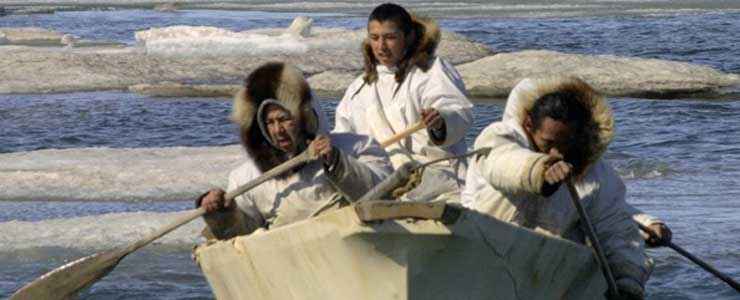

The vast, pristine landscapes of the Arctic have long been home to the Inupiat, an Indigenous people whose culture, identity, and survival are inextricably linked to the land and its resources. For millennia, their traditional hunting grounds have provided sustenance, spiritual connection, and a rich tapestry of knowledge passed down through generations. However, these vital areas are now facing unprecedented challenges, making Inupiat hunting grounds preservation a critical global issue.
Understanding the significance of these lands requires a journey into the heart of Inupiat culture. It’s not merely about food; it’s about a holistic way of life where hunting, fishing, and gathering are central to community well-being, social structure, and spiritual practices. The health of the land and its wildlife directly reflects the health of the Inupiat people.
The Inupiat people, residing primarily in northern Alaska, have developed an intricate system of traditional ecological knowledge (TEK) that informs their understanding of the environment. This knowledge, honed over thousands of years, is crucial for sustainable harvesting and adapting to the dynamic Arctic ecosystem. It is a living library of observations, practices, and beliefs.
The Indispensable Value of Traditional Hunting Grounds
- Food Security: Subsistence hunting and fishing provide essential protein, fats, and nutrients that are difficult and expensive to obtain through commercial means in remote Arctic villages.
- Cultural Identity and Continuity: Hunting practices, ceremonies, and storytelling reinforce Inupiat identity and transmit cultural values, language, and traditions from elders to youth.
- Spiritual Connection: The land and its creatures are imbued with spiritual significance, fostering a deep respect and reciprocal relationship between humans and nature.
- Economic Stability: While primarily subsistence-based, the ability to harvest local resources reduces reliance on a cash economy for basic necessities, providing a degree of economic independence.
- Intergenerational Knowledge Transfer: Hunting trips are vital learning opportunities where younger generations acquire practical skills, traditional knowledge, and an understanding of Arctic ecosystems.
Without access to healthy hunting grounds, the very fabric of Inupiat society is threatened, leading to profound impacts on health, culture, and self-determination.

Major Threats to Inupiat Hunting Grounds
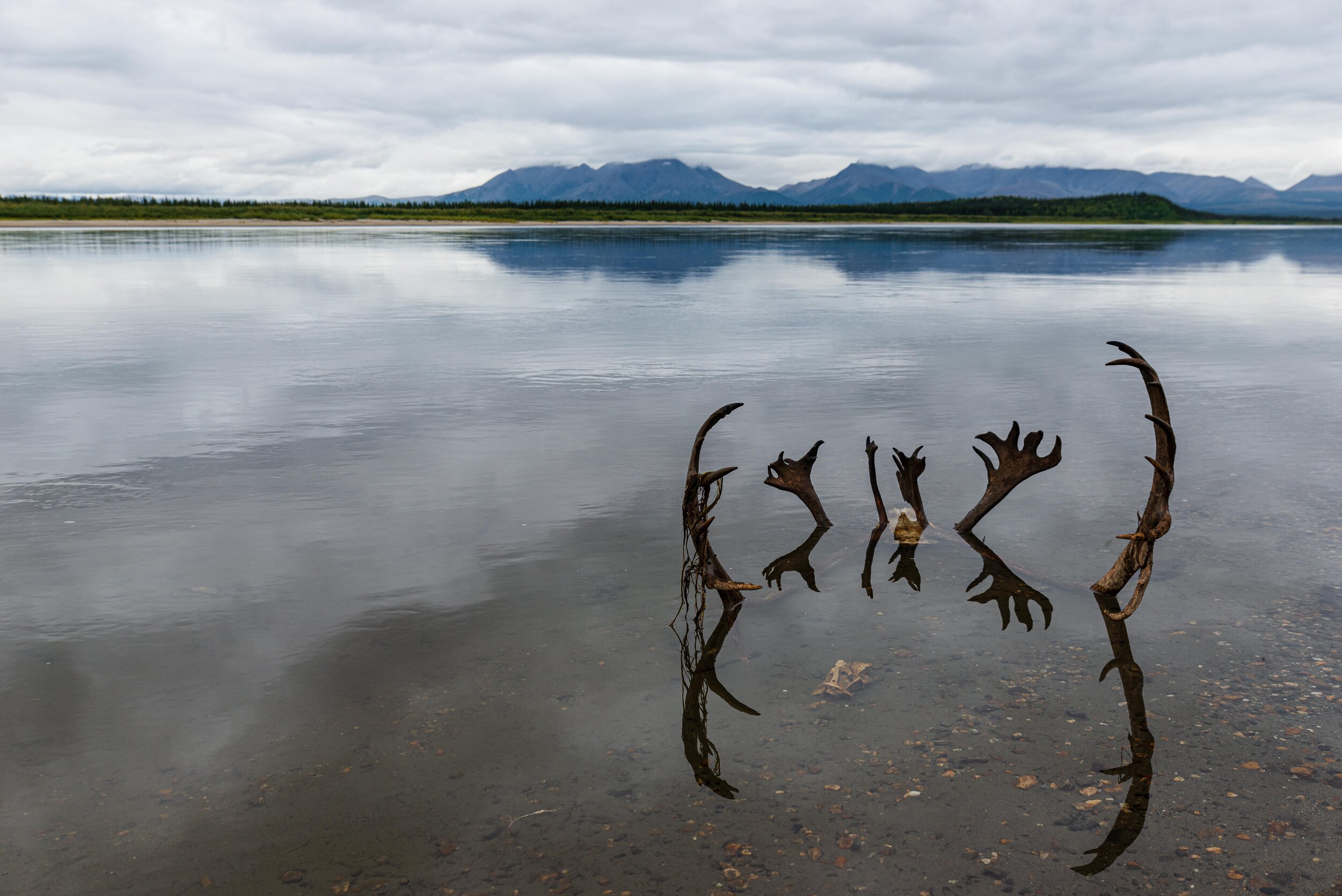
The Arctic is warming at an alarming rate, and the Inupiat are on the front lines, experiencing the direct and devastating consequences of climate change. This global phenomenon is arguably the greatest threat to their traditional way of life.
One significant impact is the rapid loss of sea ice, which is crucial for hunting marine mammals like seals, walruses, and bowhead whales. Reduced ice cover makes hunting more dangerous, less predictable, and sometimes impossible, affecting food security and cultural practices.
Permafrost thaw is another critical issue. As the permanently frozen ground melts, it destabilizes infrastructure, erodes coastlines, and alters landscapes, impacting travel routes, traditional campsites, and the habitats of terrestrial animals.
Industrial Development and Its Footprint
Beyond climate change, the Arctic’s rich natural resources have attracted significant industrial interest, particularly in oil and gas development, mining, and increased shipping traffic. These activities pose direct threats to hunting grounds through habitat destruction, noise pollution, and the risk of spills.
Exploratory drilling, seismic surveys, and the construction of infrastructure like roads and pipelines can fragment wildlife habitats, disrupt migration patterns, and contaminate sensitive ecosystems. The potential for a major oil spill in the Arctic’s harsh conditions represents an existential threat to marine life and the communities that depend on it.
Increased Arctic shipping routes, made possible by melting sea ice, bring additional concerns such as noise pollution interfering with marine mammal communication, increased risk of accidents, and the introduction of invasive species.
Pollution and Policy Challenges
The Arctic is also a sink for global pollution, with contaminants like persistent organic pollutants (POPs) and heavy metals accumulating in the food chain. These pollutants can impact the health of wildlife and, subsequently, the Inupiat who consume them, raising serious food safety concerns.
Furthermore, complex land ownership issues, historical injustices, and evolving regulatory frameworks often create challenges for Inupiat communities seeking to protect their lands and assert their Indigenous rights in the face of external pressures.
Inupiat-Led Preservation Efforts and Strategies
Despite these formidable challenges, the Inupiat people are not passive victims. They are actively engaged in robust, multifaceted efforts to preserve their hunting grounds and safeguard their future. These efforts often combine traditional knowledge with modern scientific approaches.
One key strategy involves Indigenous-led conservation initiatives, where communities themselves identify critical areas for protection, develop management plans, and conduct monitoring activities based on their intimate understanding of the local environment.
Co-management agreements with state and federal agencies are also crucial. These partnerships allow Inupiat communities to have a direct say in the management of natural resources, ensuring that traditional practices and knowledge are integrated into conservation decisions.
Advocacy and legal challenges play a significant role. Inupiat organizations and tribal governments actively engage in policy discussions, lobby for stronger environmental protections, and pursue legal avenues to protect their ancestral lands from harmful development.
The integration of Traditional Ecological Knowledge (TEK) into scientific research and policy-making is vital. TEK provides invaluable insights into long-term environmental changes, animal behavior, and sustainable resource management strategies that Western science may overlook.
For example, the Alaska Native Claims Settlement Act (ANCSA) and the Alaska National Interest Lands Conservation Act (ANILCA) have provided some framework for land ownership and subsistence rights, though ongoing efforts are needed to strengthen and uphold these protections.
The Role of Technology and Partnerships
Modern technology is also being employed in preservation efforts. Communities use satellite imagery, drones, and GPS tracking to monitor wildlife populations, track environmental changes, and document traditional use areas. These tools, combined with TEK, create powerful datasets for advocacy.
Building strong partnerships with environmental organizations, academic institutions, and international bodies is another critical component. These collaborations can amplify Inupiat voices, secure funding for conservation projects, and share best practices globally.
Addressing Common Questions: People Also Ask
Many often ask, ‘Why are Inupiat hunting grounds important?‘ As detailed, they are fundamental for food security, cultural transmission, spiritual well-being, and intergenerational knowledge transfer, forming the bedrock of Inupiat identity.
Regarding, ‘What are the main threats to these grounds?‘ The primary threats include rapid climate change (sea ice loss, permafrost thaw), industrial development (oil and gas, mining, shipping), and environmental pollution, all of which disrupt ecosystems and traditional practices.
‘How are Inupiat people preserving their hunting grounds?‘ They employ diverse strategies: Indigenous-led conservation, co-management with government agencies, legal advocacy, integrating Traditional Ecological Knowledge, and leveraging modern technology and partnerships.
A frequent question is, ‘What is the role of traditional knowledge in preservation?‘ Traditional Ecological Knowledge (TEK) is indispensable. It offers thousands of years of observations and practices that inform sustainable resource use, predict environmental changes, and guide adaptation strategies, often complementing or even surpassing scientific data.
Finally, ‘How can individuals support these efforts?‘ Supporting Inupiat-led organizations, advocating for climate action, promoting sustainable consumption, and educating oneself about Indigenous rights and Arctic conservation are all impactful ways to contribute.
The Future of Arctic Preservation
The fight for Inupiat hunting grounds preservation is a testament to the resilience and determination of Indigenous communities. It highlights the urgent need for global climate action, responsible resource management, and genuine respect for Indigenous sovereignty and knowledge.
The future of these vital Arctic ecosystems, and the vibrant cultures they sustain, depends on continued vigilance, innovation, and collaboration. Protecting Inupiat hunting grounds is not just a local issue; it is a global imperative for biodiversity, cultural diversity, and human rights.
In conclusion, the Inupiat people stand as guardians of one of the planet’s most fragile and important regions. Their tireless efforts to preserve their hunting grounds are a powerful reminder of humanity’s interconnectedness with the natural world and the profound value of traditional wisdom in navigating a changing planet.


