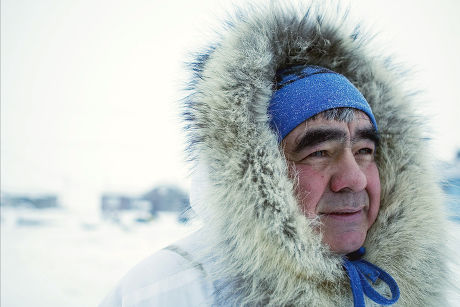

The Arctic, a region of breathtaking beauty and profound ecological significance, is also on the front lines of global environmental change. At the heart of this struggle are its Indigenous peoples, often broadly and sometimes controversially referred to as ‘Eskimos.’ These communities, including the Inuit, Yup’ik, Inupiat, and others, possess an unparalleled connection to their ancestral lands and waters, making their voices indispensable in the global environmental discourse.
It’s important to clarify the term ‘Eskimo.’ While historically used, it is often considered an exonym and can be seen as outdated or even offensive by many Indigenous groups in the Arctic. Preferred terms include specific group names like Inuit, Yup’ik, or Inupiat, or the broader and more respectful ‘Arctic Indigenous peoples’ or ‘Indigenous communities of the Arctic.’ This article will primarily use these preferred terms to reflect the diverse and distinct identities of these vibrant cultures.
For millennia, Arctic Indigenous peoples have thrived in some of the planet’s harshest conditions, developing a profound understanding of their environment. Their survival has always depended on a delicate balance with nature, fostering a worldview deeply rooted in stewardship and respect for all living things. This deep ecological knowledge, passed down through generations, forms the bedrock of their contemporary environmental activism.
The Arctic’s Indigenous Guardians: A Legacy of Environmental Stewardship
Traditional Ecological Knowledge (TEK) is not merely a collection of facts; it is a holistic system encompassing knowledge, practices, and beliefs concerning the relationship of living beings, including humans, with their environment. For Arctic Indigenous communities, TEK is vital for understanding weather patterns, animal migrations, ice conditions, and sustainable resource management. It is a living, evolving body of knowledge, constantly adapted through observation and experience.
This intimate understanding makes Indigenous communities uniquely positioned to observe and interpret environmental changes. They are often the first to notice shifts in sea ice formation, changes in animal behavior, or unusual weather events, providing invaluable data that complements scientific research and offers critical insights into the real-world impacts of climate change.
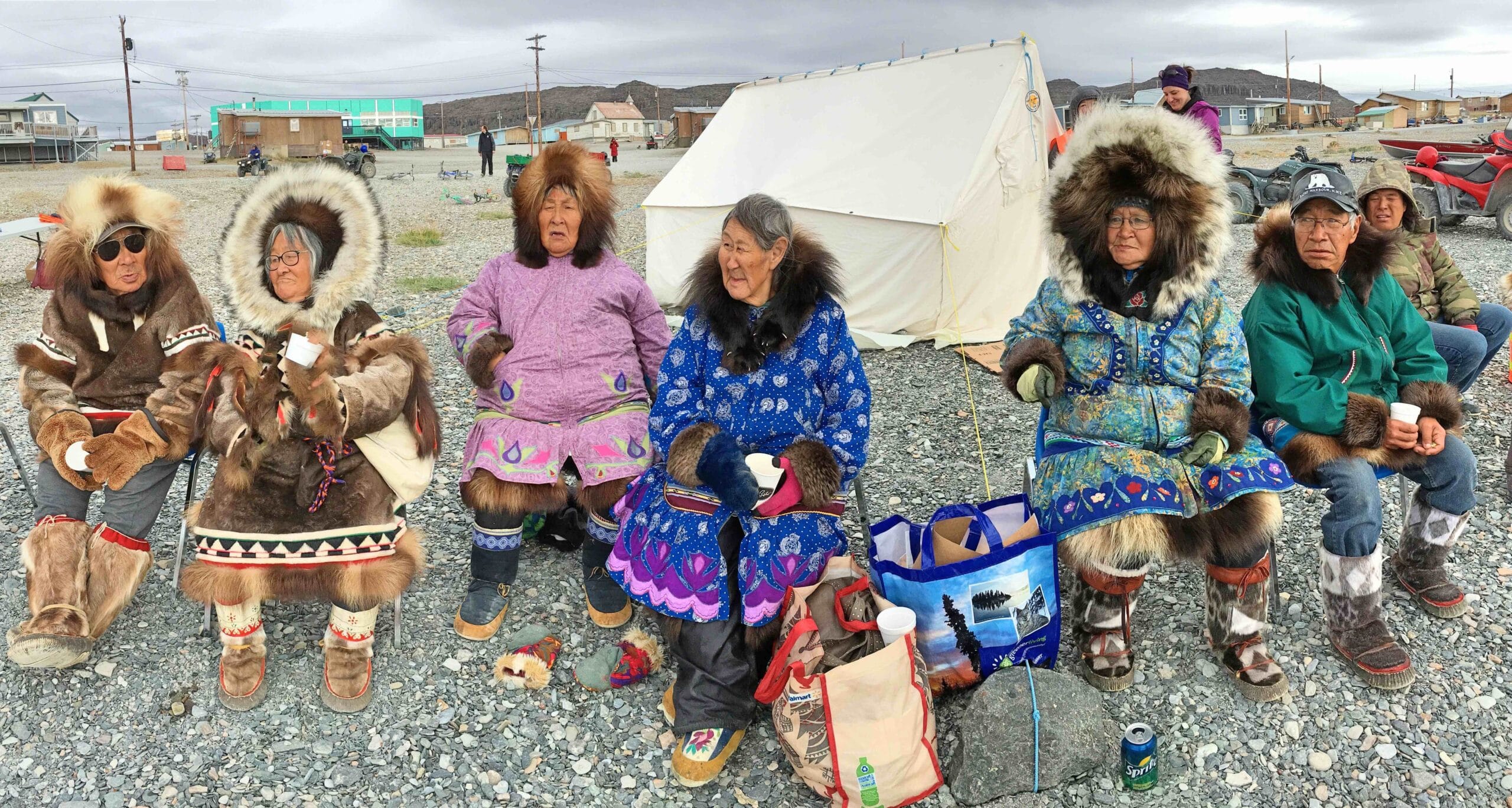

The Unfolding Crisis: Environmental Challenges Facing Arctic Indigenous Communities
The Arctic is warming at a rate two to four times faster than the global average, leading to dramatic and visible changes. These changes pose existential threats to Indigenous ways of life, food security, and cultural identity. The interconnectedness of their culture with the land means environmental degradation directly impacts their heritage.
Melting Sea Ice and Permafrost: The most prominent symptom of Arctic warming is the rapid decline of sea ice, which is crucial for hunting marine mammals, travel, and protecting coastlines from erosion. Melting permafrost destabilizes infrastructure, damages homes, and releases potent greenhouse gases, creating a dangerous feedback loop.
Impacts on Wildlife and Food Security: Changes in ice and ocean temperatures disrupt marine ecosystems, affecting seals, whales, polar bears, and fish – all vital food sources. Altered migration patterns and habitat loss threaten the traditional subsistence economy, leading to food insecurity and nutritional challenges.
Resource Extraction and Pollution: Beyond climate change, Arctic Indigenous communities contend with the pressures of industrial resource extraction, including oil and gas drilling, mining, and shipping. These activities bring risks of spills, habitat destruction, and cultural disruption, often without adequate consultation or benefit-sharing for local communities.
Arctic Indigenous Voices: Forms of Environmental Activism and Advocacy
Arctic Indigenous environmental activism takes many forms, from local community initiatives to international advocacy. It is often characterized by its grounding in traditional values, a commitment to self-determination, and a powerful moral authority.
Local and Community-Based Action: Many efforts begin at the grassroots level. Communities implement local monitoring programs, develop sustainable hunting and fishing practices, and adapt traditional knowledge to new environmental realities. This includes initiatives for renewable energy, waste management, and community-led climate adaptation planning.
National and International Advocacy: Indigenous organizations like the Inuit Circumpolar Council (ICC) play a crucial role on the global stage. They advocate for Indigenous rights and environmental protection at forums such as the United Nations, the Arctic Council, and various climate change conferences. Their presence ensures that Indigenous perspectives are heard and considered in policy-making.


Legal Challenges and Land Rights: Indigenous groups frequently engage in legal battles to protect their ancestral lands and waters from industrial development. These efforts often center on asserting land claims, treaty rights, and the right to free, prior, and informed consent (FPIC) regarding projects affecting their territories.
Cultural Preservation as Activism: For many, the act of preserving and revitalizing language, traditional arts, and cultural practices is itself a form of environmental activism. By strengthening cultural identity, communities reinforce their connection to the land and their resolve to protect it.
Youth Engagement and Education: A new generation of Arctic Indigenous activists is emerging, using social media, film, and educational programs to raise awareness and mobilize support. They are powerful communicators, bridging traditional wisdom with modern advocacy tools.
Answering Common Questions: People Also Ask
What environmental issues are affecting Arctic Indigenous communities? Arctic Indigenous communities face a multitude of issues, including rapid climate warming, melting sea ice and permafrost, coastal erosion, changes in wildlife populations, food insecurity, and the impacts of industrial resource extraction and pollution.
How are Indigenous communities in the Arctic responding to climate change? Responses range from adapting traditional hunting and travel techniques to new conditions, developing community-led climate adaptation plans, advocating for policy changes at national and international levels, preserving traditional ecological knowledge, and pursuing renewable energy initiatives.
What is traditional ecological knowledge (TEK) and how is it used in environmental activism? TEK is the cumulative body of knowledge, practices, and beliefs passed down through generations about the relationship of living beings with their environment. In activism, TEK provides unique insights into environmental changes, informs sustainable practices, and serves as a powerful evidence base for advocacy, often complementing or even challenging conventional scientific approaches.
Are there specific Indigenous groups leading environmental efforts in the Arctic? Yes, prominent groups include the Inuit Circumpolar Council (representing Inuit from Alaska, Canada, Greenland, and Chukotka), the Gwich’in Steering Committee (advocating against drilling in the Arctic National Wildlife Refuge), and various regional and local Indigenous organizations across the Arctic regions.
How can one support Arctic Indigenous environmental initiatives? Support can be offered by learning about their struggles and advocacy, donating to Indigenous-led environmental organizations, supporting ethical consumption practices, advocating for climate action, and amplifying Indigenous voices and perspectives.
The Way Forward: Collaboration and Respect
The environmental challenges facing the Arctic are complex and global in scope. Addressing them effectively requires not only scientific innovation and policy changes but also a profound respect for Indigenous rights, knowledge, and self-determination. True solutions must be co-created, integrating TEK with Western science and ensuring that Indigenous communities are empowered to lead in decisions affecting their homelands.
The resilience and wisdom of Arctic Indigenous peoples offer invaluable lessons for the entire world. Their unwavering commitment to protecting their environment is not just about preserving their way of life; it is about safeguarding the health of the planet for all future generations. Listening to and learning from these frontline communities is more critical now than ever before.
By understanding the unique perspectives and vital contributions of Arctic Indigenous communities, we can foster more effective and equitable solutions to the global environmental crisis. Their activism is a beacon of hope and a powerful reminder of our collective responsibility to care for the Earth.


