

The Arctic, a region of profound beauty and harsh realities, is home to the Inupiat people, whose culture and sustenance are deeply intertwined with their traditional foods. These ‘country foods’ – including marine mammals, fish, caribou, and berries – are not merely sustenance; they are the bedrock of Inupiat identity, providing essential nutrition, cultural continuity, and economic stability in remote communities.
However, this vital connection to the land and sea faces increasing challenges, particularly concerning food safety. As global environmental changes accelerate and external influences grow, the traditional Inupiat diet is subject to a complex array of modern threats that demand careful consideration and proactive solutions.
This comprehensive article will delve into the multifaceted food safety concerns affecting Inupiat communities today. We will explore the historical context, current scientific understanding, and the innovative strategies being employed to safeguard these invaluable food sources for future generations.
Understanding Inupiat Traditional Foods: The Essence of ‘Country Food’
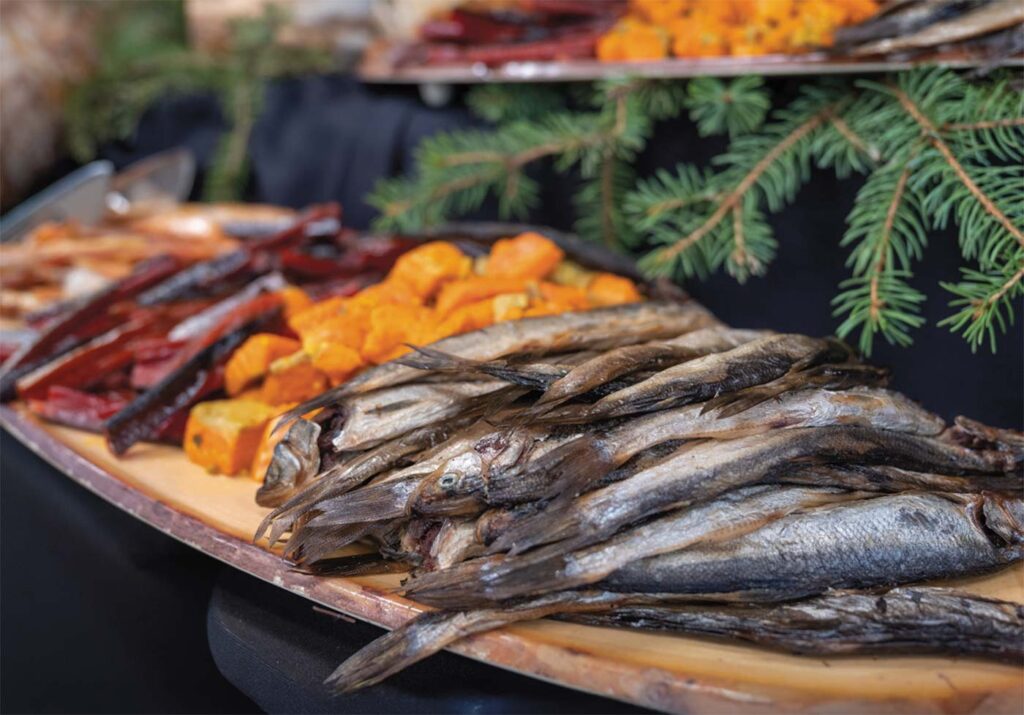
For millennia, Inupiat communities have relied on a subsistence lifestyle, harvesting resources directly from their environment. This practice, known as ‘country food’ or ‘natchiq’ (seal), ‘tuttu’ (caribou), ‘iqaluk’ (fish), and other local terms, forms the cornerstone of their diet and cultural practices.
These foods are remarkably nutrient-dense, providing vital proteins, healthy fats (like Omega-3 fatty acids), vitamins, and minerals often scarce in store-bought alternatives in remote Arctic regions. Beyond nutrition, the communal hunting, sharing, and preparation of country food reinforce social bonds and transmit intergenerational knowledge.

The health benefits of the traditional Arctic diet are well-documented, contributing to lower rates of certain chronic diseases compared to populations relying heavily on Western diets. Preserving access to safe, traditional foods is therefore a critical public health issue.
Historical Context of Food Safety in the Arctic
Historically, Inupiat food safety practices were rooted in generations of observation and traditional ecological knowledge (TEK). Elders knew how to identify healthy animals, safe harvesting times, proper butchering techniques, and effective preservation methods like drying, fermenting, and storing meat in permafrost cellars.
These methods, honed over centuries, effectively managed risks inherent in consuming wild game and marine life. The deep understanding of animal behavior, environmental cycles, and seasonal variations played a crucial role in ensuring the safety and quality of their food supply.
Modern Food Safety Challenges: A Complex Web of Threats
Today, Inupiat communities face a new spectrum of food safety challenges, many of which are global in origin but have profound local impacts. These challenges can be broadly categorized into environmental contaminants, climate change impacts, and evolving foodborne pathogen risks.
Environmental Contaminants: A Lingering Threat
One of the most significant concerns for Arctic food safety is the bioaccumulation of environmental contaminants. The Arctic acts as a ‘cold trap’ for pollutants transported from industrial regions worldwide through atmospheric and oceanic currents.
Persistent Organic Pollutants (POPs): Chemicals like PCBs, DDT, and dioxins are lipophilic, meaning they accumulate in fatty tissues. Since many traditional Inupiat foods, such as marine mammals, are rich in fat, these contaminants can build up in the food chain, posing health risks to consumers.

Heavy Metals: Mercury and cadmium are also significant concerns. Mercury, often originating from coal-fired power plants, can be biomagnified in the aquatic food web. Predatory fish and marine mammals can accumulate high levels of methylmercury, a neurotoxin. Cadmium, found in certain organs like kidneys and livers, can also pose health risks.
Ongoing monitoring programs track the levels of these contaminants in various traditional food sources, providing vital data for risk assessment and informing consumption advisories. The goal is to balance the nutritional benefits with potential exposure risks.
The Impact of Climate Change on Food Safety
Climate change is arguably the most pervasive and rapidly evolving threat to Inupiat food safety. Its effects are manifold, altering ecosystems, traditional practices, and the integrity of food storage.
Permafrost Thaw and Storage Risks: Traditional food cellars (sigluaq) carved into permafrost have historically provided natural, long-term refrigeration. As permafrost thaws due to rising temperatures, these natural freezers are compromised, leading to spoilage and the potential for increased foodborne illness.
Changes in Wildlife Migration and Health: Warming temperatures affect animal migration patterns, health, and distribution. This can alter hunting opportunities, introduce new species, or stress existing populations, potentially impacting the safety and availability of traditional foods.
New Pathogen Risks: Climate change can also influence the prevalence and distribution of pathogens in animals. Warmer waters might allow certain marine pathogens to thrive, while changes in terrestrial environments could alter disease vectors, posing novel risks to harvested foods.
Foodborne Pathogens and Processing Practices
While traditional practices are generally robust, evolving conditions and the introduction of new technologies can sometimes create new vulnerabilities related to foodborne pathogens.
Traditional vs. Modern Processing: The integration of modern processing equipment and techniques alongside traditional methods requires careful attention. Ensuring proper sanitation of equipment, understanding temperature controls, and preventing cross-contamination are critical.
Storage and Handling: As communities become more reliant on mixed diets, the transportation and storage of both country food and store-bought items can present challenges. Ensuring consistent cold chain management, especially in remote areas with limited infrastructure, is crucial to prevent bacterial growth.
Mitigating Risks: Strategies and Solutions for a Safer Future
Addressing these complex food safety concerns requires a multi-pronged approach that integrates traditional knowledge with modern scientific methods and community-led initiatives.
Leveraging Traditional Ecological Knowledge (TEK)
Traditional Ecological Knowledge remains an invaluable resource. Elders and experienced hunters possess deep insights into animal health, environmental indicators, and safe handling practices. Integrating TEK with scientific research provides a holistic understanding of food safety challenges.
Community-based monitoring programs, where local observers contribute data on animal health and environmental changes, are powerful examples of TEK in action, offering early warnings and localized insights that scientific surveys alone might miss.
Scientific Monitoring and Research Initiatives
Robust scientific research is essential for understanding contaminant levels, pathogen prevalence, and climate change impacts. Government agencies, universities, and international organizations collaborate on studies to monitor Arctic ecosystems and food chains.
These studies provide critical data for developing consumption advisories, identifying emerging threats, and informing public health interventions. Examples include tracking mercury levels in seals or POPs in caribou, or studying the impacts of ocean acidification on marine life.
Community-Led Food Safety Programs
Empowering Inupiat communities to develop and implement their own food safety programs is paramount. These programs often focus on practical aspects like safe butchering workshops, proper storage techniques, and hygiene training tailored to local contexts.
Initiatives that support the construction of modern, community-owned cold storage facilities, while respecting traditional practices, can significantly enhance food preservation capabilities and reduce spoilage.
Education and Public Health Outreach
Effective communication is key. Public health campaigns and educational materials, developed in culturally appropriate ways and often in local languages, help raise awareness about food safety risks and best practices.
These efforts aim to provide actionable information to individuals and families, allowing them to make informed decisions about harvesting, preparing, and consuming traditional foods while balancing the nutritional benefits and cultural importance.
Collaborative Efforts: Local to Global
Addressing Inupiat food safety concerns requires collaboration across multiple levels: local communities, tribal organizations, state and federal governments, and international bodies. Partnerships facilitate resource sharing, knowledge exchange, and coordinated action.
International agreements and research consortia play a role in addressing transboundary pollution, which directly impacts Arctic food safety, advocating for global reductions in contaminants that ultimately find their way to the North.
Balancing Tradition and Modernity: A Path Forward
The challenge lies in striking a delicate balance between preserving the rich traditions of Inupiat food culture and adapting to the realities of a changing world. It’s not about choosing one over the other, but about finding synergistic solutions.
This involves respecting and integrating ancestral wisdom into modern food safety guidelines, ensuring that new technologies and scientific findings complement, rather than undermine, traditional practices. The goal is to strengthen food security and cultural resilience.
For example, adapting traditional storage methods with modern insulation or refrigeration in thawing permafrost areas, or using scientific data to inform traditional hunting areas based on animal health, are ways this balance can be achieved.
Conclusion: Sustaining a Vital Heritage
Inupiat food safety concerns are a microcosm of larger global environmental and health challenges. The resilience of the Inupiat people, combined with dedicated scientific research and collaborative efforts, offers a pathway to navigate these complexities.
By understanding the unique vulnerabilities of Arctic food systems – from persistent pollutants to the rapid onset of climate change – and by championing community-led solutions, we can work towards safeguarding the nutritional, cultural, and spiritual essence of Inupiat country foods.
The continued health and well-being of Inupiat communities depend on the ability to access and safely consume the foods that have sustained them for generations. It is a shared responsibility to ensure this vital heritage thrives.
Investing in research, empowering local voices, and implementing sustainable practices are not just about food safety; they are about supporting the very fabric of Inupiat life and contributing to a healthier, more resilient Arctic for all.


