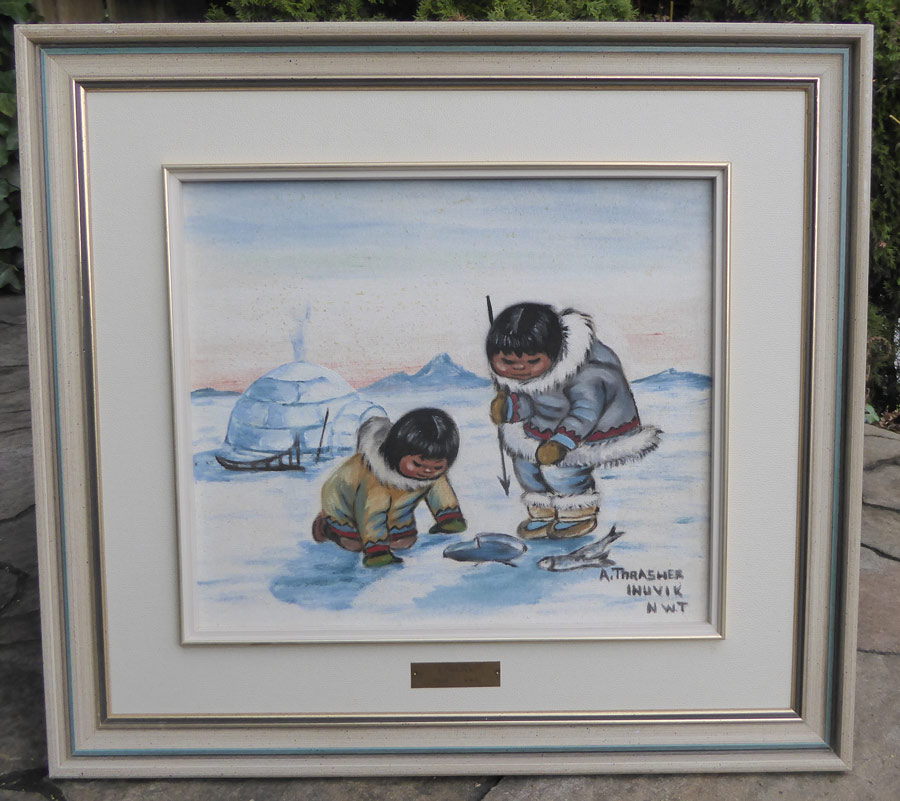

Eskimo art, also known as Inuit art or Yupik art, represents a profound connection to the Arctic landscape and the traditions of its Indigenous peoples. For centuries, the Inuit and Yupik have created stunning works of art that reflect their spiritual beliefs, daily lives, and deep respect for nature. Today, authentic Eskimo art is highly sought after by collectors and enthusiasts worldwide. This comprehensive guide explores the history, significance, and acquisition of authentic Eskimo art for sale.
What is Eskimo Art?
Eskimo art encompasses a wide range of artistic expressions created by the Inuit and Yupik peoples of the Arctic regions, including Alaska, Canada, Greenland, and Russia. Historically, these artworks served practical, spiritual, and decorative purposes. Common materials used include ivory, bone, stone, wood, and animal hides. The subject matter often depicts animals, hunting scenes, mythological figures, and representations of daily life.
Historical Context of Eskimo Art
The origins of Eskimo art can be traced back thousands of years, with archaeological evidence revealing intricate carvings and tools dating back to the prehistoric period. Early Eskimo art was closely tied to survival and spirituality, with many objects serving as amulets or ceremonial tools. As contact with European traders and settlers increased, Eskimo artists began to create art for trade, adapting their traditional styles and techniques to meet the demands of the market. This interaction led to the development of new forms of Eskimo art, such as soapstone carvings and prints.
Key Characteristics of Authentic Eskimo Art


- Materials: Authentic Eskimo art is typically made from natural materials such as ivory (from walrus tusks or whale teeth), bone, stone (especially soapstone), wood, and animal hides.
- Subject Matter: Common themes include animals (such as seals, whales, caribou, and polar bears), hunting scenes, human figures engaged in daily activities, and mythological or spiritual beings.
- Technique: Traditional carving techniques involve meticulous attention to detail and a deep understanding of the properties of the materials. Prints are often made using stonecut or stencil methods.
- Style: Eskimo art often features stylized representations of figures and animals, with a focus on capturing the essence and spirit of the subject rather than strict realism.
- Provenance: Knowing the history and origin of a piece can help verify its authenticity. Look for documentation or information about the artist, the community where it was created, and any previous owners.
Types of Eskimo Art
- Carvings: Carvings are perhaps the most well-known form of Eskimo art. They can be made from ivory, bone, stone, or wood, and often depict animals, human figures, or scenes from daily life.
- Prints: Eskimo prints are typically made using stonecut or stencil techniques. They often feature bold designs and vibrant colors, and depict scenes from Inuit mythology and culture.
- Basketry: Inuit and Yupik basketry is renowned for its intricate designs and craftsmanship. Baskets are often made from grasses, roots, and other natural materials, and are used for storage, carrying, and ceremonial purposes.
- Masks: Masks play an important role in Inuit and Yupik ceremonies and rituals. They are often made from wood, bone, or animal hides, and are decorated with feathers, fur, and other materials.
- Textiles: Inuit and Yupik textiles include clothing, blankets, and other items made from animal hides, fur, and wool. These textiles are often decorated with intricate embroidery and beadwork.
Where to Find Authentic Eskimo Art for Sale
- Native Art Galleries: Galleries specializing in Native American and Inuit art are a great place to find authentic Eskimo art. These galleries often work directly with artists and communities to source their pieces.
- Museum Shops: Many museums with collections of Inuit art have shops that sell authentic reproductions and original works by contemporary artists.
- Online Marketplaces: Online marketplaces such as Etsy and eBay can be a good source for finding Eskimo art for sale, but it’s important to exercise caution and carefully vet sellers before making a purchase. Look for sellers with positive reviews and a proven track record of selling authentic Native art.
- Auctions: Auctions specializing in Native American and Inuit art can be a good place to find rare and valuable pieces. However, it’s important to do your research and understand the value of the pieces you’re bidding on.
- Directly from Artists: Purchasing art directly from Inuit and Yupik artists is a great way to support their work and ensure the authenticity of the pieces you’re buying. Look for opportunities to connect with artists at art fairs, festivals, and community events.
How to Ensure Authenticity
- Research the Artist: Learn about the artist’s background, techniques, and cultural heritage. Authentic Inuit art often reflects the artist’s personal experiences and connection to their community.
- Examine the Materials: Authentic Eskimo art is typically made from natural materials such as ivory, bone, stone, and wood. Be wary of pieces made from synthetic materials or materials that are not traditionally used in Inuit art.
- Look for Documentation: Ask for documentation such as certificates of authenticity, artist biographies, and provenance information. These documents can help verify the authenticity of the piece and provide valuable information about its history.
- Consult with Experts: If you’re unsure about the authenticity of a piece, consult with an expert in Inuit art. Appraisers, museum curators, and art historians can provide valuable insights and help you make an informed decision.
- Support Reputable Dealers: Purchase art from reputable dealers and galleries that have a proven track record of selling authentic Inuit art. These dealers often have established relationships with artists and communities and can provide guarantees of authenticity.
Caring for Your Eskimo Art
- Handle with Care: Always handle Eskimo art with clean, dry hands. Avoid touching the surface of the art with oily or dirty hands, as this can damage the materials.
- Store Properly: Store Eskimo art in a cool, dry place away from direct sunlight and extreme temperatures. Avoid storing art in humid environments, as this can cause the materials to warp or crack.
- Clean Gently: Clean Eskimo art gently with a soft, dry cloth. Avoid using harsh chemicals or abrasive cleaners, as these can damage the surface of the art.
- Protect from Pests: Protect Eskimo art from pests such as insects and rodents. Store art in sealed containers or display cases to prevent damage.
- Display Safely: Display Eskimo art in a safe location where it won’t be accidentally bumped or knocked over. Use secure mounting hardware to prevent art from falling off the wall.


The Cultural Significance of Eskimo Art
Eskimo art is more than just decorative objects; it is a powerful expression of Inuit and Yupik culture, history, and spirituality. These artworks serve as a vital link to the past, preserving traditional knowledge and customs for future generations. By collecting and appreciating authentic Eskimo art, you are not only acquiring beautiful objects but also supporting the artists and communities who create them. You are helping to ensure that these rich cultural traditions continue to thrive.
The Impact of Climate Change on Eskimo Art
Climate change poses a significant threat to the Arctic environment and the cultural traditions of the Inuit and Yupik peoples. Rising temperatures, melting ice, and changing animal populations are impacting the availability of traditional materials used in Eskimo art. As the Arctic landscape undergoes rapid transformation, it is more important than ever to support Inuit and Yupik artists and help preserve their cultural heritage.
Supporting Inuit and Yupik Artists
By purchasing authentic Eskimo art, you are directly supporting Inuit and Yupik artists and their communities. Your investment helps to sustain traditional art forms, provide economic opportunities, and promote cultural preservation. Look for opportunities to support artists directly by purchasing their work at art fairs, festivals, and community events. You can also donate to organizations that support Inuit and Yupik art and culture.
Eskimo Art as an Investment
Authentic Eskimo art can be a valuable investment, both financially and culturally. As demand for these unique and beautiful objects continues to grow, their value is likely to increase over time. However, the true value of Eskimo art lies in its cultural significance and its ability to connect us to the rich history and traditions of the Inuit and Yupik peoples. When collecting Eskimo art, focus on acquiring pieces that resonate with you personally and that you will cherish for years to come.
The Future of Eskimo Art
The future of Eskimo art is bright, with a new generation of Inuit and Yupik artists emerging to carry on the traditions of their ancestors. These artists are experimenting with new materials, techniques, and styles, while still honoring the cultural heritage of their people. By supporting these artists and promoting their work, we can help ensure that Eskimo art continues to thrive for generations to come.
Conclusion
Authentic Eskimo art offers a captivating glimpse into the rich cultural heritage of the Inuit and Yupik peoples. Whether you’re a seasoned collector or a newcomer to the world of Inuit art, understanding its history, characteristics, and cultural significance is essential for appreciating and acquiring genuine pieces. By supporting Inuit and Yupik artists, you contribute to the preservation of their traditions and help ensure that these remarkable art forms continue to thrive. Always prioritize authenticity, provenance, and ethical sourcing when seeking Eskimo art for sale, and enjoy the profound connection these pieces offer to the Arctic landscape and its resilient people.
When looking for Eskimo art for sale, always verify the piece’s provenance and seek out reputable dealers. Consider the impact of climate change on the availability of traditional materials and support artists directly whenever possible. Appreciate the cultural significance of each piece and its connection to the Inuit and Yupik traditions. By doing so, you contribute to the preservation of this remarkable art form and its enduring legacy.

&w=200&resize=200,135&ssl=1 "Renewable Energy Projects On Indian Reservations")


