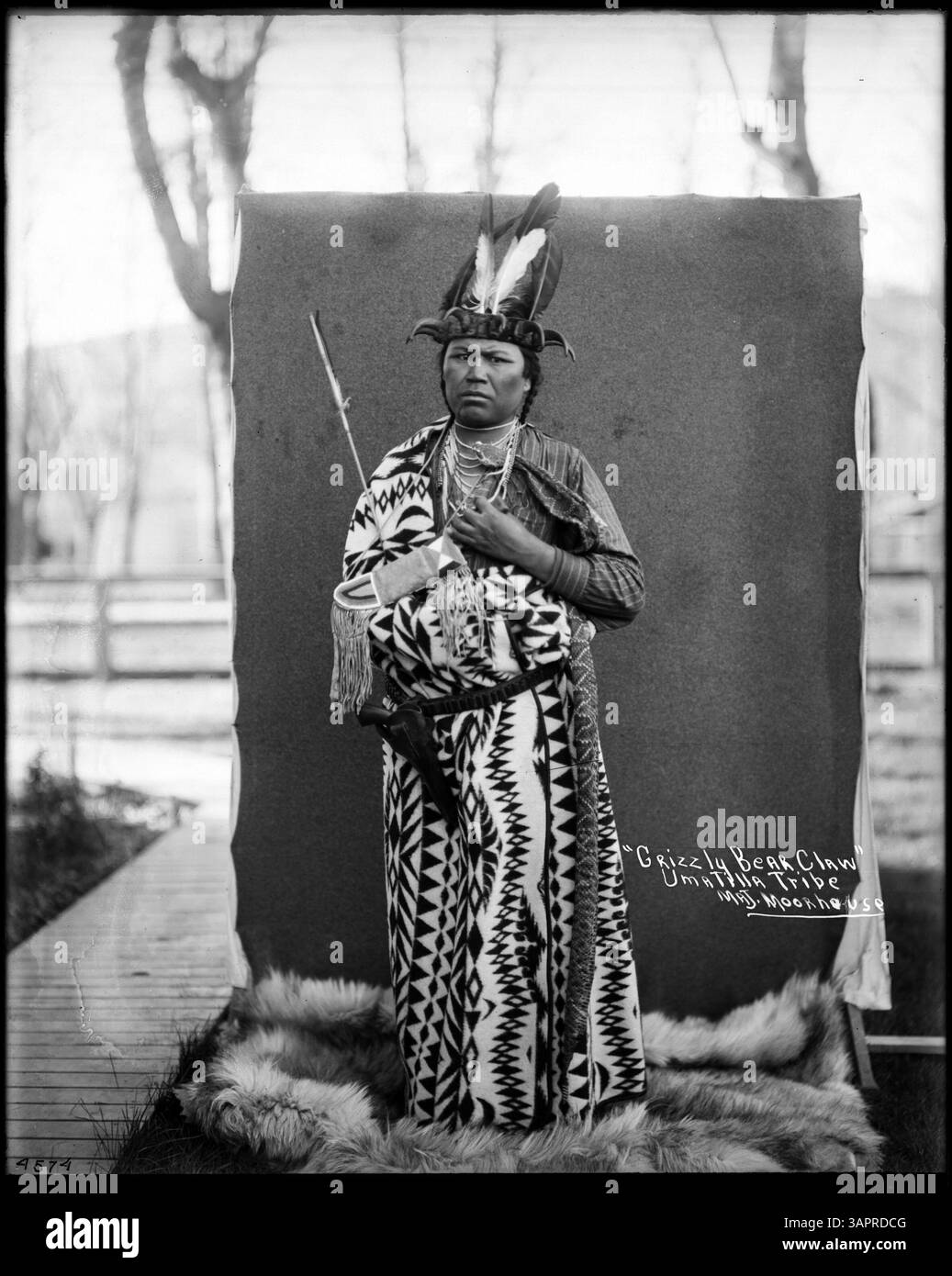
The Inupiat people of Arctic Alaska possess a rich cultural heritage deeply intertwined with their environment and spiritual beliefs. Central to their traditions are ceremonial practices, often accompanied by elaborate regalia that serve as visual representations of their history, values, and connection to the spirit world. Understanding Inupiat ceremonial regalia requires delving into the artistry, symbolism, and cultural context that imbue these objects with profound meaning.
Inupiat ceremonial regalia are not mere costumes; they are powerful tools used to connect with ancestors, honor the animal spirits that sustain them, and ensure the continued well-being of their community. Each element, from the materials used to the intricate designs, carries specific significance and contributes to the overall purpose of the ceremony.
Materials and Craftsmanship
The materials used in Inupiat ceremonial regalia are sourced directly from the Arctic environment, reflecting the Inupiat’s intimate relationship with the land and its resources. Sealskin, caribou hide, wolf fur, and bird feathers are common components, each chosen for its specific qualities and symbolic associations. Ivory, bone, and wood are also used for carving masks and ornaments.
The craftsmanship involved in creating these pieces is a testament to the Inupiat’s artistic skill and deep understanding of their materials. Traditional techniques, passed down through generations, are employed to meticulously construct each garment, mask, and accessory. Sewing, carving, and painting are all integral parts of the process, resulting in objects of remarkable beauty and durability.
Sealskin, prized for its water resistance and warmth, is often used for creating parkas, boots, and mittens worn during ceremonies. Caribou hide, known for its softness and flexibility, is used for lighter garments and decorative elements. Furs, such as wolf, wolverine, and fox, are incorporated for warmth and adornment, adding a touch of wild beauty to the regalia.

Feathers, particularly those of seabirds and waterfowl, hold special significance in Inupiat culture. They are often used to create headdresses, fans, and other ornaments, symbolizing the connection between the human and animal worlds. The colors and patterns of the feathers can also convey specific meanings, depending on the species of bird.
Ivory, sourced from walrus tusks, is a highly valued material used for carving intricate masks, labrets, and other decorative items. The smooth, white surface of ivory lends itself to detailed carving, allowing artists to create realistic depictions of animals, spirits, and human faces.
Symbolism and Meaning
Every element of Inupiat ceremonial regalia is imbued with symbolism, reflecting the Inupiat’s worldview and spiritual beliefs. Animals, spirits, and natural phenomena are all represented in the designs and materials used, conveying stories, prayers, and messages to the audience and the spirit world.
Masks play a central role in Inupiat ceremonies, serving as conduits between the human and spirit realms. They are often carved to represent specific animals or spirits, allowing the wearer to embody their essence and communicate with them directly. The designs on the masks can also tell stories or depict important events in Inupiat history.
Animal motifs are prevalent in Inupiat regalia, reflecting the Inupiat’s dependence on animals for sustenance and survival. Seals, whales, caribou, and birds are all commonly depicted, each representing different aspects of the Inupiat’s relationship with the natural world. The specific animal depicted can also convey information about the wearer’s clan or family lineage.
Colors also hold symbolic meaning in Inupiat culture. White often represents purity and spirituality, while black can symbolize strength and resilience. Red is associated with life and energy, while blue represents the sky and the sea. The combination of colors used in a particular piece of regalia can convey a complex message or tell a story.
Geometric patterns, such as circles, lines, and triangles, are also frequently incorporated into Inupiat designs. These patterns can represent a variety of concepts, such as the cyclical nature of life, the interconnectedness of all things, and the balance between the human and natural worlds.
Types of Ceremonial Regalia
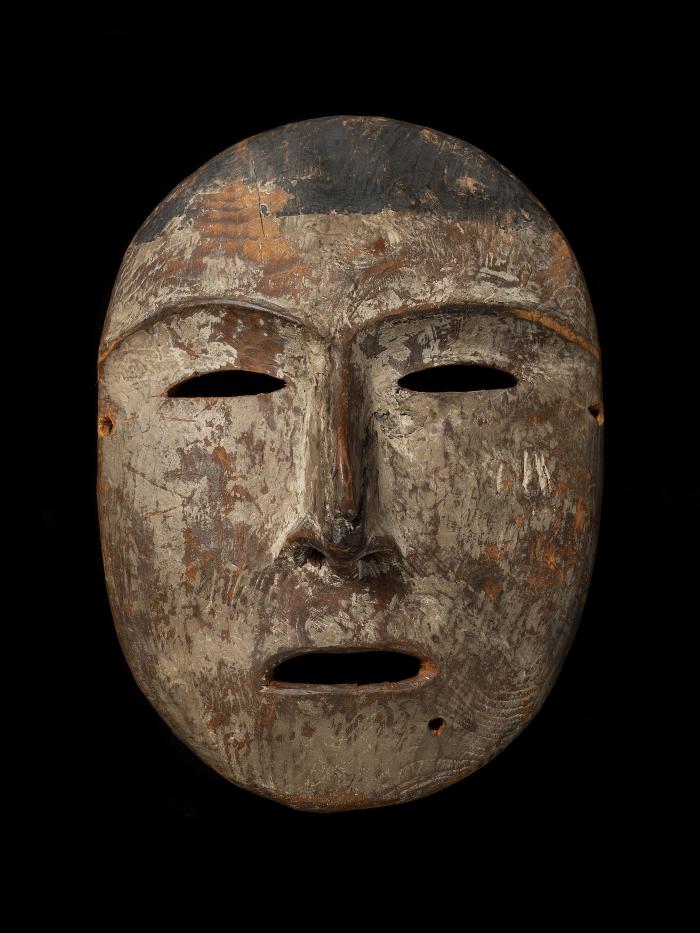
Inupiat ceremonial regalia encompasses a wide range of garments, masks, and accessories, each designed for specific purposes and occasions. Some of the most common types of regalia include dance parkas, storyknives, masks, headdresses, and amulets.
Dance parkas are elaborately decorated garments worn during traditional dances. They are often made from sealskin or caribou hide and adorned with fur trim, beads, and intricate embroidery. The designs on the parkas can depict animals, spirits, or scenes from Inupiat life.
Masks are an integral part of many Inupiat ceremonies, serving as a bridge between the human and spirit worlds. They are typically carved from wood or ivory and painted with bright colors. The masks can represent animals, spirits, or mythical beings, and are often used in dances and storytelling.
Headdresses, often adorned with feathers, beads, and ivory carvings, are worn to signify status, rank, or spiritual power. The type of materials used and the complexity of the design can indicate the wearer’s position within the community.
Amulets are small objects worn for protection or good luck. They are often made from bone, ivory, or stone and may be carved with images of animals, spirits, or symbols. Amulets are believed to possess special powers that can ward off evil spirits or bring good fortune.
Storyknives (uluks) are used to draw stories in the snow or sand during storytelling sessions. These knives, typically made of slate, are not just tools but cultural artifacts imbued with history and knowledge.
The Significance of Dance
Dance is a central element of Inupiat ceremonial life, serving as a way to express cultural values, honor ancestors, and connect with the spirit world. Inupiat dances are often accompanied by drumming, singing, and storytelling, creating a powerful and immersive experience for both performers and audience members.
Ceremonial dances are often performed to celebrate successful hunts, commemorate important events, or ensure the continued well-being of the community. The dances can depict animals, spirits, or scenes from Inupiat life, and are often accompanied by elaborate costumes and masks.
The movements in Inupiat dances are often symbolic, mimicking the movements of animals or representing important aspects of Inupiat culture. The dancers’ gestures, postures, and facial expressions convey specific meanings, telling stories and expressing emotions.
Drumming plays a vital role in Inupiat dances, providing a rhythmic pulse that drives the performance and connects the dancers to the spirit world. The drums are typically made from animal hides stretched over wooden frames and are played with a single beater.
Singing and chanting are also integral parts of Inupiat dances, adding another layer of meaning and emotion to the performance. The songs can tell stories, express prayers, or simply celebrate the beauty of the natural world.
Preservation and Contemporary Relevance
In recent years, there has been a growing effort to preserve and revitalize Inupiat ceremonial traditions, including the creation and use of regalia. Cultural centers, museums, and community organizations are working to document traditional techniques, teach younger generations, and promote the appreciation of Inupiat art and culture.
The preservation of Inupiat ceremonial regalia is essential for maintaining cultural identity and ensuring the continuity of traditional knowledge. By passing down the skills and knowledge required to create these objects, the Inupiat people can safeguard their cultural heritage for future generations.
Contemporary Inupiat artists are also finding new ways to express their creativity and connect with their cultural heritage through the creation of regalia. They are experimenting with new materials, techniques, and designs, while still honoring the traditions of their ancestors.
The continued use of ceremonial regalia in contemporary Inupiat life demonstrates the enduring relevance of these traditions. Ceremonies continue to play an important role in community life, providing opportunities for people to connect with their culture, honor their ancestors, and celebrate their identity.
Conclusion
Inupiat ceremonial regalia represents far more than just decorative clothing or accessories; it is a tangible expression of Inupiat culture, spirituality, and connection to the Arctic environment. Each piece, meticulously crafted from natural materials and imbued with symbolism, tells a story of resilience, adaptation, and profound respect for the natural world. As efforts to preserve and revitalize these traditions continue, the vibrant spirit of the Inupiat people shines through, ensuring that their cultural heritage will endure for generations to come.


