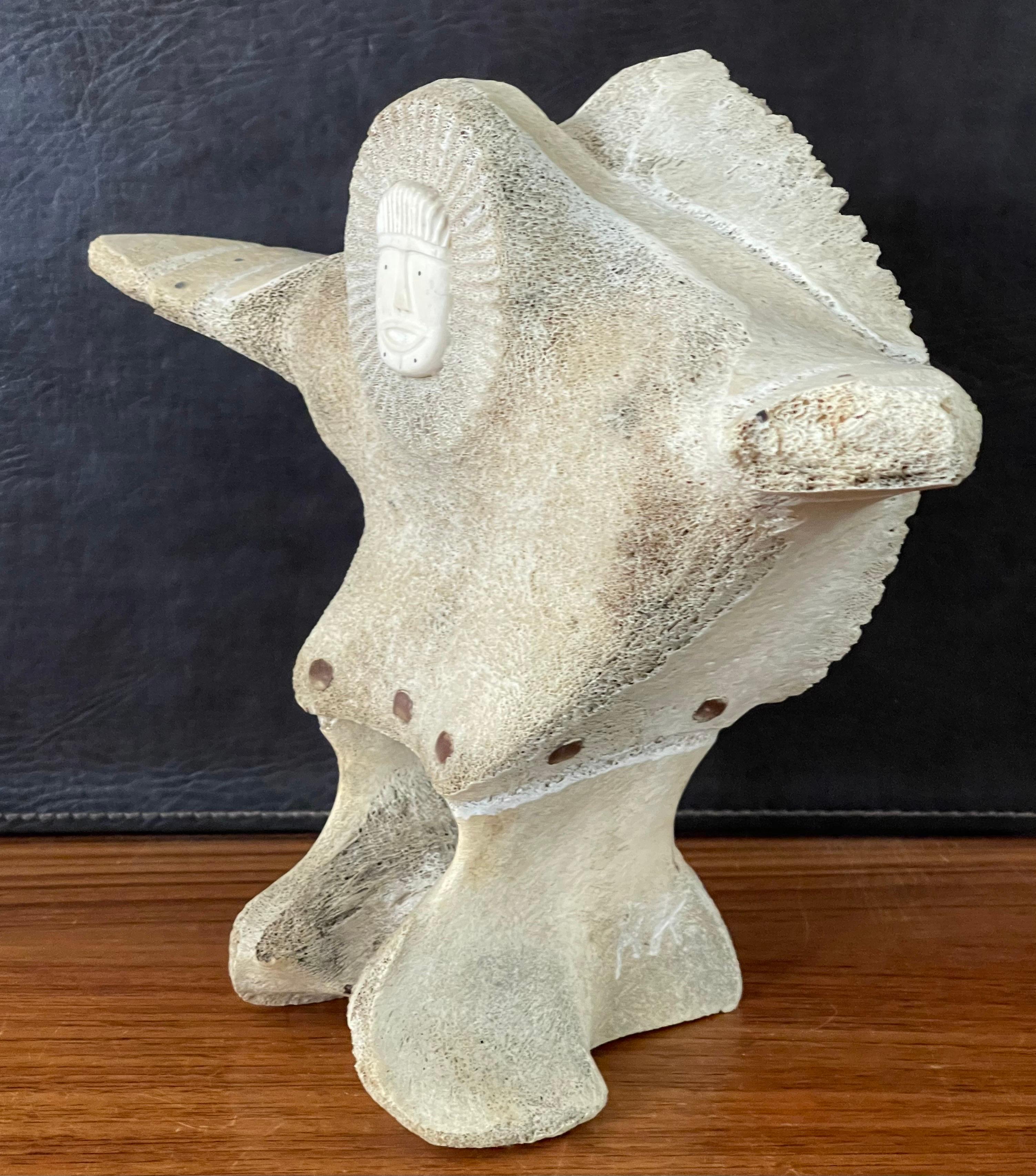

Inupiat bone carvings represent more than just art; they are tangible connections to a rich cultural heritage deeply intertwined with the Arctic environment. For centuries, the Inupiat people of Alaska’s North Slope have transformed the bones and ivory of marine mammals into stunning works of art. These carvings tell stories, preserve traditions, and reflect the profound relationship between the Inupiat and the animals that sustain them.
This article explores the fascinating world of Inupiat bone carvings, delving into their history, techniques, symbolism, and contemporary significance. We’ll uncover the artistry, skill, and cultural meaning embedded within each piece, providing a deeper understanding of this unique and vital art form.
The Historical Roots of Inupiat Bone Carvings
The practice of carving from bone, ivory, and antler dates back millennia in the Arctic regions. For the Inupiat, these materials were readily available and incredibly versatile. Before the introduction of modern tools, bone and ivory were essential for creating tools, hunting implements, and household objects. The transition from purely utilitarian objects to artistic expressions was a natural evolution, driven by the Inupiat’s inherent creativity and desire to record their experiences and beliefs.
Early carvings often depicted scenes from daily life, such as hunting expeditions, animal migrations, and community gatherings. These carvings served as both records and teaching tools, passing down knowledge and traditions from one generation to the next. The use of readily available materials like walrus ivory, whalebone, and caribou antler made the art form accessible to all members of the community.
Materials Used in Inupiat Bone Carvings

Walrus Ivory: Highly prized for its density and smooth texture, walrus ivory is ideal for intricate carvings. Its creamy color and ability to hold fine detail make it a favorite among Inupiat artists.
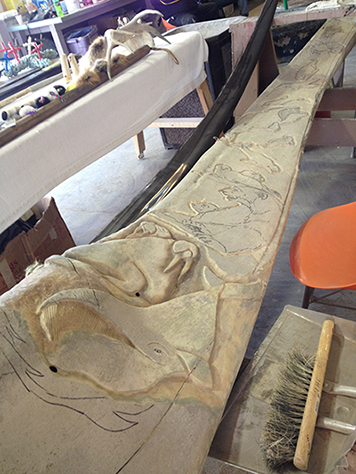
Whalebone: The large bones of whales, particularly bowhead whales, offer a substantial canvas for carving. Whalebone carvings often feature bold designs and are valued for their connection to the Inupiat’s whaling traditions.
Caribou Antler: Caribou antler provides a readily available and renewable resource. Its porous texture and branching form lend themselves to unique and expressive carvings.
Fossilized Ivory (fossil ivory): Sometimes, ancient ivory is found, adding to the unique character of carvings.
Techniques and Tools of the Trade
Creating Inupiat bone carvings requires a combination of skill, patience, and specialized tools. Traditional methods involved hand tools such as burins, scrapers, and knives made from stone, bone, and metal. Today, many artists also incorporate modern tools like power grinders and drills to achieve greater precision and efficiency.
The carving process typically begins with selecting a suitable piece of material and carefully planning the design. The artist then uses a variety of tools to shape the material, gradually revealing the desired form. Intricate details are added using fine-pointed tools, and the finished carving is often polished to a smooth, lustrous finish. The application of pigment, often made from natural sources, can enhance the details and add depth to the carving.
Common Designs and Symbolism
Animals: Animals play a central role in Inupiat culture and are often depicted in carvings. Whales, seals, polar bears, caribou, and birds are common subjects, each representing specific qualities such as strength, resilience, and sustenance.


Hunting Scenes: Hunting is a vital aspect of Inupiat life, and hunting scenes are frequently depicted in carvings. These scenes often portray the skill, courage, and respect required to successfully hunt in the Arctic environment.
Transformation: Transformation is a recurring theme in Inupiat art and mythology. Carvings may depict animals transforming into humans or spirits, reflecting the interconnectedness of all living things.
Spirits and Mythology: Inupiat beliefs include a rich pantheon of spirits and mythological figures. Carvings may depict these beings, often with symbolic representations of their powers and attributes.
The Cultural Significance of Inupiat Bone Carvings
Inupiat bone carvings are more than just decorative objects; they are powerful expressions of cultural identity and continuity. These carvings serve as tangible links to the past, preserving traditional knowledge and values for future generations. They are also a source of pride and identity for the Inupiat people, representing their unique way of life and their deep connection to the Arctic environment.
The creation and sale of bone carvings also provide economic opportunities for Inupiat artists, supporting their families and communities. By purchasing Inupiat bone carvings, collectors and enthusiasts contribute to the preservation of this important art form and the cultural heritage it represents.
Contemporary Inupiat Bone Carvings
While rooted in tradition, Inupiat bone carving continues to evolve and adapt to contemporary influences. Modern Inupiat artists are exploring new techniques, materials, and designs, while still honoring the traditions of their ancestors. They are using their art to address contemporary issues, such as climate change, cultural preservation, and social justice.
Contemporary Inupiat bone carvings can be found in museums, galleries, and private collections around the world. They are appreciated for their artistic merit, their cultural significance, and their unique connection to the Arctic environment. Many artists are also using their art to educate others about Inupiat culture and to promote understanding and respect for the Inupiat people.
Caring for Inupiat Bone Carvings
Avoid direct sunlight: Prolonged exposure to direct sunlight can cause bone and ivory to dry out and crack.
Maintain stable humidity: Fluctuations in humidity can also damage bone and ivory. Store carvings in a place with stable humidity levels.
Handle with clean hands: Oils and dirt from your hands can accumulate on the surface of carvings, dulling their appearance.
Dust regularly: Use a soft brush or cloth to gently dust carvings on a regular basis.
Avoid harsh chemicals: Do not use harsh chemicals or cleaners on bone or ivory. If necessary, clean with a damp cloth and mild soap.
Where to Find Authentic Inupiat Bone Carvings
When purchasing Inupiat bone carvings, it’s important to ensure that you are buying authentic pieces from reputable sources. Look for carvings that are accompanied by certificates of authenticity or documentation that verifies their origin and the artist’s identity. Support Inupiat artists and communities by purchasing directly from them or from galleries and organizations that represent them.
The Enduring Legacy of Inupiat Bone Carvings
Inupiat bone carvings stand as a testament to the resilience, creativity, and cultural richness of the Inupiat people. These intricate works of art not only reflect the Inupiat’s deep connection to the Arctic environment but also serve as a powerful means of preserving and transmitting their traditions and values.
As you admire these carvings, remember that you are witnessing more than just artistic skill; you are encountering a living legacy that continues to thrive in the hands of contemporary Inupiat artists. By appreciating and supporting this art form, we contribute to the preservation of a vital cultural heritage and honor the enduring spirit of the Inupiat people.
FAQ About Inupiat Bone Carvings
What is the significance of animal motifs in Inupiat bone carvings?
Animal motifs are central to Inupiat bone carvings, each animal representing specific qualities and playing a vital role in the Inupiat way of life. Whales symbolize sustenance and the success of whaling expeditions, seals represent resourcefulness and adaptability, polar bears embody strength and courage, and caribou signify abundance and survival. These depictions reflect the Inupiat’s profound understanding of their environment and their respect for the animals that sustain them.
How can I tell if an Inupiat bone carving is authentic?
Authentic Inupiat bone carvings are typically made from materials such as walrus ivory, whalebone, or caribou antler. They often feature intricate designs and are accompanied by certificates of authenticity or documentation that verifies their origin and the artist’s identity. Purchase from reputable sources, such as Inupiat artists directly or galleries and organizations that represent them, to ensure authenticity.
What is the best way to display and protect Inupiat bone carvings?
To protect Inupiat bone carvings, avoid direct sunlight and maintain stable humidity levels. Handle carvings with clean hands and dust them regularly with a soft brush or cloth. Avoid using harsh chemicals or cleaners. Display carvings in a secure location where they are not likely to be knocked over or damaged.
How has the art of Inupiat bone carving evolved over time?
While rooted in tradition, Inupiat bone carving continues to evolve and adapt to contemporary influences. Modern Inupiat artists are exploring new techniques, materials, and designs, while still honoring the traditions of their ancestors. They are using their art to address contemporary issues and to express their unique perspectives on the world.
What is the role of Inupiat bone carvings in preserving cultural heritage?
Inupiat bone carvings play a crucial role in preserving cultural heritage by serving as tangible links to the past. These carvings preserve traditional knowledge, values, and stories for future generations. They are also a source of pride and identity for the Inupiat people, representing their unique way of life and their deep connection to the Arctic environment.
Conclusion
Inupiat bone carvings are a captivating art form that offers a glimpse into the rich cultural heritage and Arctic environment of the Inupiat people. These intricate designs, crafted from bone, ivory, and antler, tell stories of survival, tradition, and the profound relationship between the Inupiat and the animals that sustain them. By understanding the history, techniques, symbolism, and contemporary significance of these carvings, we gain a deeper appreciation for this unique and vital art form and the enduring spirit of the Inupiat people.


