

The Arctic is home to diverse Indigenous peoples, each with unique cultures, languages, and histories. Among the most well-known are those often referred to as "Eskimos." However, this term carries a complex history, and it’s crucial to understand why "Inuit" is generally the preferred term in many regions today. This comprehensive guide will delve into the nuances of this terminology, exploring its origins, cultural implications, and current usage to promote respectful and accurate communication.
The Origins of "Eskimo"
The word "Eskimo" has murky etymological roots. While its exact origin is debated, it’s generally believed to have originated from an Algonquian language. One common, though contested, interpretation suggests it means "eaters of raw meat." This interpretation is often viewed as derogatory, as it was sometimes used by neighboring tribes to describe and otherize the Inuit and Yupik peoples.
It’s important to note that the term’s meaning and connotations have varied over time and across different groups. However, the negative associations and the fact that it was often imposed from the outside have contributed to its decline in favor.
Historical Context and Usage
Historically, "Eskimo" was used by European explorers and settlers to broadly refer to the Indigenous peoples of the Arctic regions spanning from Siberia to Greenland. This umbrella term failed to recognize the distinct cultural and linguistic differences between various groups, lumping them together under a single, often inaccurate, label. This generalization contributed to the erasure of unique identities and cultural practices.

The Rise of "Inuit" as the Preferred Term
"Inuit" (meaning "people" in the Inuit languages) is the term that the Inuit people of Canada, Greenland, and Alaska (specifically, the North Slope Borough of Alaska) use to refer to themselves. It reflects a sense of self-determination and cultural pride. The adoption of "Inuit" as the preferred term is a movement towards recognizing and respecting the self-identified names and cultural identities of Indigenous peoples worldwide.
The shift towards using "Inuit" gained momentum in the latter half of the 20th century as Indigenous communities increasingly asserted their rights to self-determination and cultural preservation. International organizations and governments began to acknowledge and adopt this preference, further solidifying its widespread use.
Geographic Considerations
While "Inuit" is widely preferred, it’s essential to acknowledge that not all Arctic peoples identify as Inuit. For example, the Yupik peoples of Alaska and Siberia do not use the term "Inuit" to describe themselves. They have their own distinct languages and cultural traditions. Therefore, using the term "Inuit" to refer to all Arctic Indigenous peoples would be inaccurate and disrespectful.
Who Are the Yupik People?
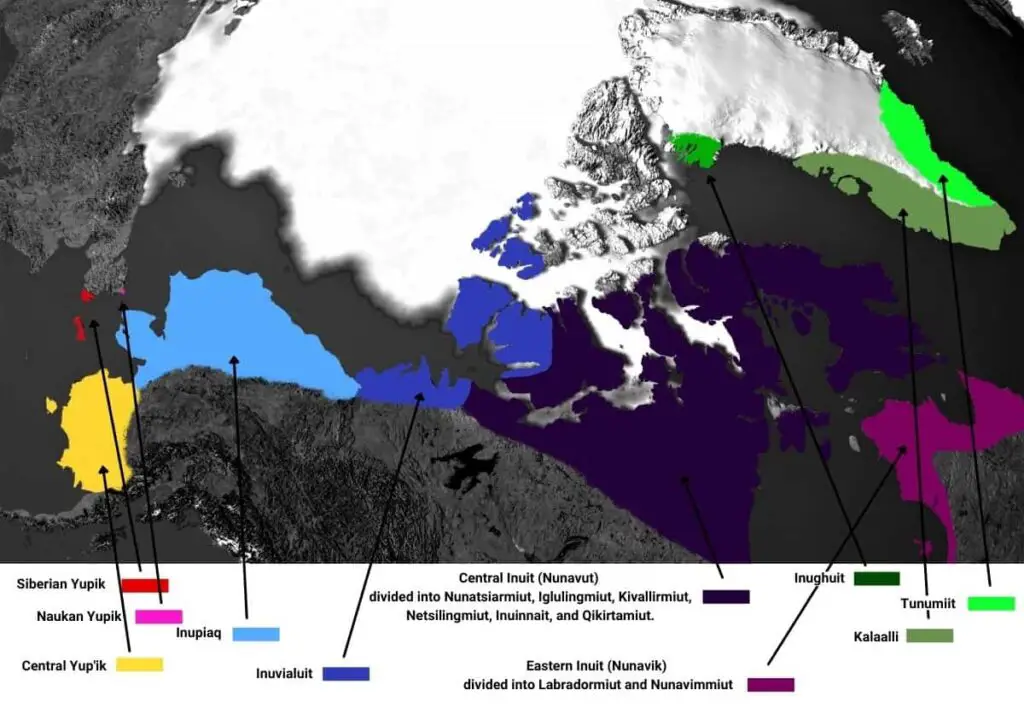
The Yupik people inhabit western and southwestern Alaska and the Chukotka Peninsula in Russia. They are closely related to the Inuit but maintain distinct languages and cultural practices. It is crucial to respect their self-identification and use "Yupik" when referring to them specifically.
There are five distinct groups of Yupik people: the Central Alaskan Yup’ik, the Siberian Yupik, the Naukan Yupik, the Alutiiq (or Sugpiaq), and the Sirenik Yupik (now extinct as a distinct group). Each group has its own unique dialect and cultural variations.
Current Usage and Best Practices

When discussing Arctic Indigenous peoples in general, it’s often more accurate and inclusive to use broader terms like "Arctic peoples" or "Indigenous peoples of the Arctic." This avoids the potential for misrepresentation and ensures that all groups are acknowledged.
Avoiding Stereotypes and Misconceptions
Beyond using the correct terminology, it’s crucial to be aware of and avoid perpetuating harmful stereotypes and misconceptions about Inuit and other Arctic peoples. These can include inaccurate portrayals of their traditional lifestyles, cultures, and contemporary experiences. Educate yourself on the rich history and diverse cultures of these communities to promote understanding and respect.
Common stereotypes include the idea that Inuit people live exclusively in igloos, hunt only with traditional tools, or are somehow "frozen in time." These stereotypes ignore the reality of modern Inuit life, which includes a blend of traditional practices and contemporary adaptations.
The Importance of Cultural Sensitivity
Cultural sensitivity is paramount when discussing any Indigenous group. This includes respecting their traditions, beliefs, and values. It also means being mindful of the historical injustices and ongoing challenges faced by these communities. By approaching the topic with empathy and a willingness to learn, you can contribute to a more respectful and inclusive dialogue.
This sensitivity extends to understanding the impact of climate change on Arctic communities, advocating for their rights to self-determination, and supporting their efforts to preserve their languages and cultures.
Addressing Common Questions (People Also Ask)
Is it offensive to say Eskimo?
In many regions, particularly in Canada and Greenland, the term "Eskimo" is considered outdated and potentially offensive. This is because it was often imposed from the outside and carries negative historical connotations. However, in some parts of Alaska, some Yupik people still use the term to refer to themselves. It’s essential to be aware of the context and the individual’s preference.
What is the difference between Inuit and Eskimo?
"Inuit" refers specifically to the Inuit people of Canada, Greenland, and the North Slope Borough of Alaska. "Eskimo" is a broader term that historically encompassed various Arctic Indigenous groups, including the Inuit and Yupik. However, due to its problematic history, "Inuit" is generally the preferred term when referring to Inuit people.
Why is Inuit the preferred term?
"Inuit" is the term that the Inuit people use to refer to themselves, reflecting self-determination and cultural pride. It is a more respectful and accurate way to acknowledge their identity.
Do all Arctic people identify as Inuit?
No, not all Arctic people identify as Inuit. The Yupik people of Alaska and Siberia, for example, have their own distinct languages and cultures and do not use the term "Inuit" to describe themselves.
How can I be respectful when talking about Arctic peoples?
Use the preferred terminology ("Inuit" when referring to Inuit people), avoid stereotypes, and be mindful of the historical context and ongoing challenges faced by these communities. When in doubt, ask individuals for their preferred term and be open to learning about their cultures and experiences.
Conclusion: Promoting Respectful Communication
Understanding the nuances of "Inuit" versus "Eskimo" is crucial for promoting respectful and accurate communication about Indigenous Arctic peoples. While "Eskimo" was once a common term, it carries a complex history and is often considered outdated and potentially offensive. "Inuit" is generally the preferred term when referring to the Inuit people of Canada, Greenland, and the North Slope Borough of Alaska. However, it’s essential to remember that not all Arctic peoples identify as Inuit, and it’s always best to be specific and respectful of individual preferences.
By using the correct terminology, avoiding stereotypes, and approaching the topic with cultural sensitivity, we can contribute to a more inclusive and understanding dialogue about the rich history and diverse cultures of Arctic Indigenous communities. This includes advocating for their rights, supporting their efforts to preserve their languages and traditions, and acknowledging the impact of climate change on their lives.
Ultimately, the goal is to foster a greater appreciation for the unique identities and contributions of Inuit and other Arctic peoples to the world.


