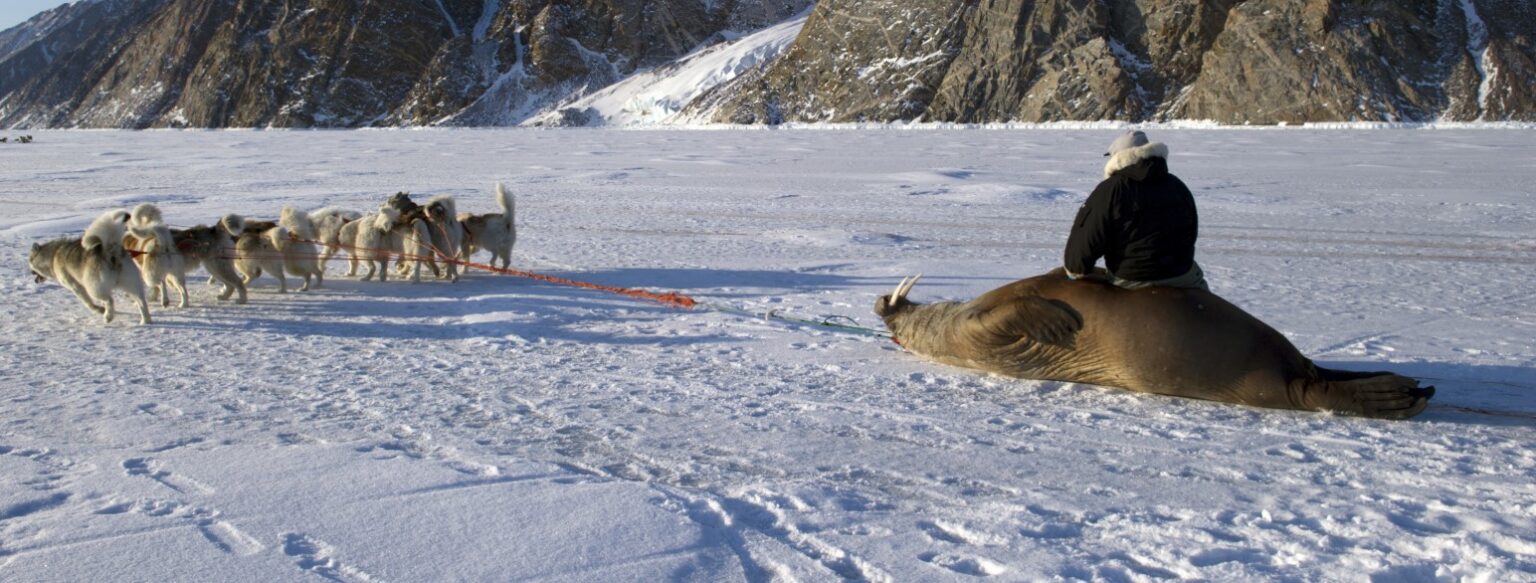

The vast, unforgiving expanse of the Arctic has long been home to the Inuit, a people whose survival is intricately linked to their deep understanding of the environment and its rich marine life. Among the most revered and crucial animals for their sustenance and culture is the walrus (Odobenus rosmarus), a majestic marine mammal whose presence has shaped Inuit life for millennia.
Hunting walrus is not merely a means of obtaining food; it is a profound cultural practice that embodies traditional knowledge, community cooperation, and an unwavering respect for nature. This comprehensive guide delves into the fascinating world of Inuit walrus hunting techniques, exploring both the ingenuity of their traditional methods and the practical adaptations of modern times.
For generations, the walrus has been a cornerstone of Inuit survival, providing an unparalleled array of resources essential for life in the harsh Arctic climate. Every part of the animal is utilized, minimizing waste and maximizing its value to the community.
The sheer size and formidable nature of the walrus make its hunting a testament to the skill, courage, and collective effort of Inuit hunters. An adult walrus can weigh well over a ton, possessing thick skin, blubber, and formidable tusks, demanding precision and planning from those who pursue it.
Historically, Inuit walrus hunting was a highly specialized endeavor, requiring intimate knowledge of the walrus’s behavior, migration patterns, and the ever-changing ice conditions. Hunters relied on keen observation and generations of passed-down wisdom to track and approach these powerful creatures.
Traditional hunting methods were characterized by their ingenuity and resourcefulness, employing tools crafted from bone, stone, wood, and sinew. The primary traditional weapon was the harpoon, often tipped with a detachable point and connected to a long line and float made from sealskin.


Hunters would typically use kayaks (qajaq) or umiaks (larger open boats) for hunting in open water, or approach walrus resting on ice floes. The stealth required to approach a walrus undetected, especially in a small kayak, speaks volumes about the hunters’ prowess.
Once within striking distance, a hunter would launch the harpoon, aiming for a vital area. The detachable head would lodge in the walrus, while the float would prevent the animal from diving too deep or escaping, tiring it out until it could be brought closer to the boat or ice edge.
Group hunting was commonplace, especially for larger walrus. Multiple kayaks might participate, with hunters working in concert to surround and subdue the animal. This collaborative approach not only increased safety but also improved the chances of a successful hunt.
The seasonality of walrus hunting also played a significant role. During the spring and summer, when ice breaks up, walrus are more accessible by boat. In winter, hunters might track them to breathing holes in the ice or find them hauled out on stable ice floes.
The profound respect for the hunted animal is a central tenet of Inuit culture. Rituals and prayers often accompanied a successful hunt, acknowledging the spirit of the animal and expressing gratitude for its sacrifice, ensuring future abundance.
In modern times, while the spirit of the hunt remains, the techniques have evolved to incorporate contemporary technology. Snowmobiles and motorboats have largely replaced kayaks and dog sleds for transportation, allowing hunters to cover greater distances more efficiently and safely.
Firearms, particularly high-powered rifles, are now commonly used to dispatch walrus quickly and humanely once they have been approached. This reduces the risk to hunters and minimizes the animal’s suffering, a critical ethical consideration.
Despite these technological advancements, the fundamental skills of tracking, navigating the Arctic environment, and understanding walrus behavior remain paramount. Modern hunters still rely heavily on traditional knowledge passed down through generations.
Sustainability is a key concern for contemporary Inuit walrus hunting. Regulated by quotas and managed by local communities and governmental bodies, hunting practices aim to ensure the long-term health of walrus populations. This approach balances cultural traditions with conservation efforts.


What is the cultural significance of walrus hunting? Beyond sustenance, walrus hunting reinforces Inuit identity, strengthens community bonds, and transmits vital traditional knowledge from elders to youth. It is an integral part of their heritage and way of life.
Are Inuit allowed to hunt walrus? Yes, Inuit and other Indigenous peoples in the Arctic have established harvesting rights, often protected by land claims agreements and international conventions, recognizing their historical reliance on marine mammals for subsistence.
The utilization of the walrus is comprehensive. The meat (a’rviq) provides essential protein and nutrients, often consumed raw, frozen, or cooked. Blubber is a crucial source of fat and energy, vital for survival in the cold.
The hide is incredibly tough and durable, traditionally used for boat coverings (umiaks), ropes, thongs, and even shelter. The ivory tusks are highly prized for carving intricate artworks and tools, showcasing exceptional artistic skill and cultural narratives.
Even the internal organs are consumed, and the bones are used for tools, weapons, and structural elements. This holistic utilization exemplifies the Inuit principle of respect and efficiency, ensuring no part of the animal goes to waste.
Challenges to walrus hunting persist, including the impacts of climate change on sea ice, which affects walrus habitats and migration routes. Debates around animal welfare and international trade regulations also present complex issues for Inuit communities.
However, Inuit communities continue to advocate for their rights to harvest walrus sustainably, emphasizing that their practices are rooted in centuries of ecological stewardship and are essential for their food security and cultural survival.
The expertise required for a successful and safe walrus hunt cannot be overstated. It demands not only physical strength and endurance but also profound wisdom, patience, and an unparalleled ability to read the Arctic landscape and seascape.
Navigating treacherous ice conditions, understanding wind and current patterns, and anticipating the movements of marine mammals are skills honed over a lifetime. These are not just hunting skills; they are survival skills, deeply embedded in the Inuit psyche.
The sharing of the walrus after a successful hunt is a communal event, reinforcing social structures and ensuring that everyone in the community benefits. This distribution system is a testament to the strong collective spirit of Inuit society.
This practice of sharing is fundamental to Inuit culture, emphasizing interdependence and mutual support, especially in an environment where individual survival can be exceptionally challenging.
Inuit hunters are also keen observers of the health of walrus populations. Their traditional knowledge often provides invaluable insights into population trends and environmental changes, complementing scientific research.
The tools, while modernized, still reflect the principles of efficiency and reliability. High-quality marine binoculars, GPS devices, and satellite phones are common alongside rifles, ensuring safety and improving success rates in remote areas.
Education plays a vital role in preserving these hunting traditions. Younger generations are taught by elders, learning not just the mechanics of the hunt but also the ethical framework, respect for the animals, and the spiritual connection to the land and sea.
The narrative of Inuit walrus hunting is one of resilience, adaptation, and profound cultural continuity. It highlights a people who have thrived in one of the world’s harshest environments by living in harmony with its resources.
From the silent glide of a traditional kayak to the roar of a modern outboard motor, the essence of the hunt remains: a vital connection between the Inuit people and the powerful walrus, sustaining life and culture in the Arctic.
Understanding these techniques offers a window into a remarkable way of life, emphasizing the deep ecological knowledge and adaptive spirit of the Inuit people, whose traditions continue to evolve while honoring their ancestral roots.


