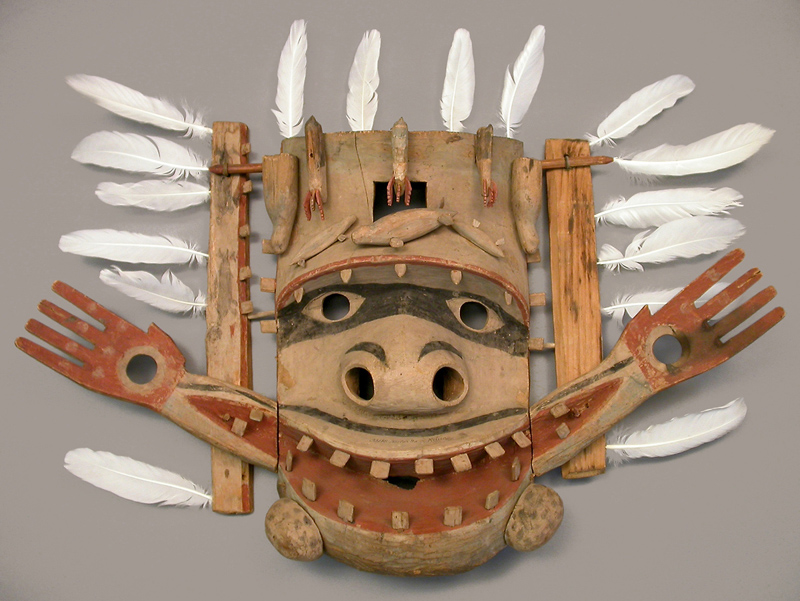

The Arctic expanse of Alaska, a land of breathtaking beauty and formidable challenges, has long been home to the Yupik people. For centuries, they have thrived in harmony with their environment, guided by a profound spiritual worldview that permeates every aspect of their lives. Central to this worldview, and indeed to their very existence, are the extraordinary Yupik masks.
These aren’t merely decorative objects; they are powerful conduits to the spirit world, tools for communication, healing, and cultural preservation. Understanding the ceremonial purpose of Yupik masks unlocks a deeper appreciation for the ingenuity, spirituality, and artistic brilliance of this resilient Indigenous culture.
The Yupik Worldview: A Realm of Interconnected Spirits
To grasp the significance of Yupik masks, one must first understand the Yupik worldview. It is an animistic perspective, where all living things—animals, plants, humans—and even inanimate objects possess a spirit or soul (yua). The physical world is seen as deeply intertwined with a complex spirit world, populated by ancestors, animal spirits, and other powerful entities.
Maintaining balance and respectful relationships with these spirits is paramount for survival, particularly in a subsistence-based society reliant on hunting and fishing. Masks served as essential instruments in navigating this delicate spiritual landscape, allowing humans to interact with and influence the unseen forces that governed their world.
Craftsmanship and Symbolism: What Are Yupik Masks Made Of?


Yupik masks are masterpieces of natural artistry, meticulously crafted from materials readily available in their environment. The primary material is often driftwood, washed ashore from distant forests, which is carved with remarkable skill and precision. Other elements are then integrated to enhance their symbolic power and visual impact.
- Driftwood: The base for most masks, symbolizing resilience and connection to the land and sea.
- Feathers: Often from birds like gulls or ravens, representing flight, communication with the spirit world, or the spirits of specific birds.
- Sinew and Gut: Used for attaching elements, symbolizing strength and connection.
- Natural Pigments: Derived from ochre, charcoal, and other minerals, providing vibrant colors (red, black, white) that held specific symbolic meanings.
- Animal Hair: Sometimes incorporated to represent specific animals or add texture.
- Shells or Beads: Used for eyes or decorative elements, reflecting light and life.
Each material is chosen not just for its aesthetic quality but for its inherent spiritual meaning, contributing to the mask’s overall ceremonial efficacy.
The Profound Role of Yupik Masks in Ceremony
The ceremonial purpose of Yupik masks is multifaceted, serving critical functions within their community rituals. They were not worn for disguise, but for transformation; to embody spirits, facilitate communication, and bring about specific outcomes.
The masks acted as visual and spiritual bridges, allowing the wearer to transcend their human form and become a vessel for the spirit depicted. This transformation was central to major Yupik festivals and spiritual practices, particularly during the long, dark winter months.
Types of Yupik Masks and Their Meanings
- Humanoid Masks: Often depicting ancestral spirits or human-like beings from myths, sometimes with exaggerated features to denote their spiritual nature.
- Animal Masks: Representing the spirits of animals vital to Yupik survival, such as seals, whales, caribou, and birds. These masks were crucial for hunting success and showing respect to animal souls.
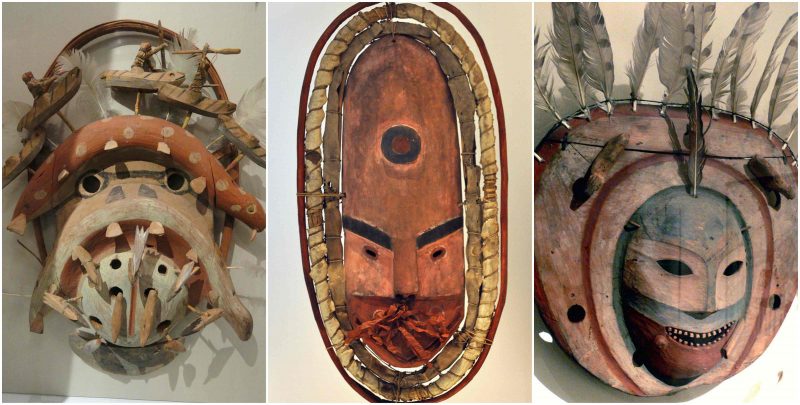
- Composite Masks: Perhaps the most iconic, these masks combine human and animal features, often with concentric rings, appendages, or multiple faces, symbolizing transformation, the interconnectedness of worlds, and the ability of spirits to change forms.
Many masks feature a central face (human or animal) surrounded by smaller faces, hands, or objects, all swirling outwards, representing the spirit’s influence, its helpers, or its journey between realms. The ‘eye within an eye’ motif, for instance, often signifies heightened spiritual perception.

The Shaman’s Role: Mediators Between Worlds
The primary users of ceremonial masks were the angalkuq, or shamans. These spiritual leaders and healers were believed to possess the ability to communicate directly with the spirit world. Masks were indispensable tools in their practice, aiding them in their trance states and spirit journeys.
During ceremonies, the shaman, wearing a mask, would dance and chant, embodying the spirit represented by the mask. This allowed them to seek guidance, perform healing rituals, foresee future events, or intercede on behalf of the community with powerful spirits. The mask amplified their spiritual power and made the unseen visible to the community.
Key Ceremonies and Their Masked Performances
Two of the most significant Yupik festivals where masks played a central role were the Bladder Festival (Nakaciuryara) and the Messenger Feast (Kevgiq). These elaborate, multi-day events were critical for the spiritual and social well-being of the community.
The Bladder Festival (Nakaciuryara): A Deep Dive
The Bladder Festival was an annual winter ceremony of immense importance, focused on ensuring hunting success and showing respect to the spirits of hunted animals. Yupik belief held that the soul of an animal resided in its bladder.
During the festival, the bladders of all seals and other marine mammals hunted that year were inflated, adorned, and honored. Masks were worn in dances to entice the animal spirits to return to the sea, be reborn, and offer themselves again to the hunters. It was a profound act of spiritual reciprocity and gratitude.
The Messenger Feast (Kevgiq): Inter-Village Connection
The Messenger Feast was a large, inter-village gathering, often lasting several days, that combined elements of trade, feasting, and elaborate masked performances. It served to foster social ties, redistribute wealth, and engage in spiritual communication.
Masked dancers would perform intricate routines, often depicting stories of hunting, creation myths, or encounters with spirits. These performances were not mere entertainment; they were vital for transmitting cultural knowledge, reinforcing community values, and reaffirming the Yupik relationship with the spirit world.
Masks as Storytellers and Educators
Beyond their direct spiritual functions, Yupik masks were powerful instruments of storytelling and education. Through masked dances and performances, generations of Yupik people learned about their history, mythology, moral lessons, and the proper way to interact with the world around them.
The visual narratives embedded in the masks, combined with the movements of the dancers and accompanying songs, created a holistic educational experience that reinforced cultural identity and continuity. They were living textbooks, animated by the community’s collective spirit.
The Ephemeral Nature of Mask Use
Unlike Western art, which often values permanence, many Yupik masks were created for specific ceremonial events and were sometimes discarded or even ritually destroyed after use. This ephemeral nature underscores their primary function as tools for spiritual work, rather than objects of lasting aesthetic display.
Once their spiritual task was complete, their purpose was fulfilled. This practice highlights the deep integration of art into life and spirituality, where the act of creation and use held more significance than the object’s longevity.
Modern Revival and Cultural Preservation Efforts
The arrival of missionaries and Western influence in the late 19th and early 20th centuries led to a significant suppression of traditional Yupik spiritual practices, including masked ceremonies. Many masks were confiscated, destroyed, or sold to collectors.
However, in recent decades, there has been a powerful resurgence of interest and pride in Yupik culture. Contemporary Yupik artists are once again carving masks, often drawing inspiration from historical pieces in museums while also infusing them with new meanings relevant to modern Yupik identity. This revival is crucial for cultural preservation and the ongoing spiritual health of the community.
Common Questions About Yupik Masks
- What is the purpose of Yupik masks? They serve as conduits to the spirit world, embodying spirits for communication, healing, ensuring hunting success, and transmitting cultural knowledge during ceremonies.
- What do Yupik masks represent? They represent spirits (human, animal, mythical), ancestors, natural forces, and the interconnectedness of the physical and spiritual realms.
- Are Yupik masks still used today? While traditional ceremonies have evolved, masks are still created and used by contemporary Yupik artists and cultural practitioners for educational purposes, cultural revival events, and personal spiritual reflection.
- Where can I see authentic Yupik masks? Many significant collections are housed in museums worldwide, such as the Smithsonian National Museum of Natural History, the American Museum of Natural History, and various museums in Alaska.
Conclusion: An Enduring Legacy of Spirit and Artistry
The ceremonial purpose of Yupik masks extends far beyond mere artistic expression. These powerful artifacts embody the heart of Yupik spirituality, serving as vital links between the human and spirit worlds. From their meticulous craftsmanship to their profound symbolic meanings, each mask tells a story of survival, respect, and deep connection to the Arctic environment.
As cultural treasures, Yupik masks continue to inspire awe and facilitate understanding, reminding us of the rich spiritual heritage and artistic genius of the Yupik people. Their legacy is not just in the wood and feathers, but in the enduring spirit they represent, a spirit that continues to thrive and adapt in the modern world.


