
The Silent Scourge: Inuit Communities Lead the Charge in Arctic Air Quality Monitoring
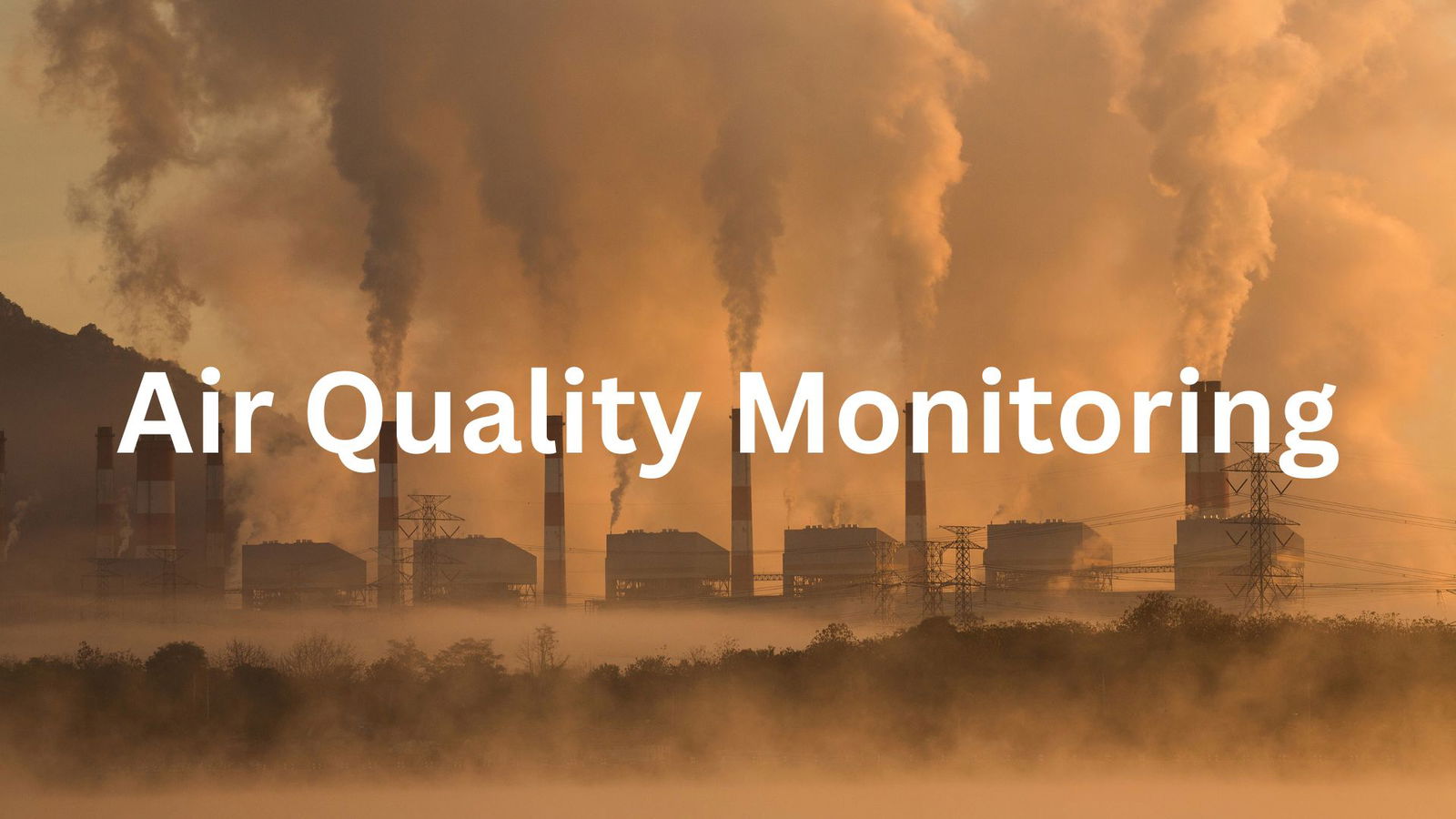
The Arctic, a region synonymous with pristine wilderness, is paradoxically a global sink for pollutants generated thousands of miles away. For the Inuit, Indigenous peoples whose lives, culture, and health are intricately tied to this fragile environment, monitoring the quality of their air is not merely a scientific endeavor but a critical act of survival and self-determination. Far from the industrial heartlands, communities across Inuit Nunangat – the Inuit homeland spanning Canada, Greenland, Alaska, and Chukotka – are on the front lines, observing, documenting, and advocating against an invisible threat that has profound, visible impacts.
The unique vulnerability of the Arctic stems from a phenomenon known as "Arctic amplification," where the region warms at a rate two to four times faster than the global average. This accelerated warming, driven by climate change, exacerbates the deposition and circulation of contaminants. Atmospheric and oceanic currents act as conveyer belts, transporting pollutants from industrial and agricultural zones in lower latitudes northward. Once in the colder Arctic, these contaminants, ranging from persistent organic pollutants (POPs) to heavy metals and black carbon, condense and deposit onto the snow, ice, and water, eventually entering the delicate Arctic food web.
A Toxic Legacy: Pollutants and Their Pathways
The spectrum of pollutants impacting Arctic air quality is diverse and insidious. Persistent Organic Pollutants (POPs) like PCBs, DDT, and more contemporary compounds such as Per- and Polyfluoroalkyl Substances (PFAS), are of particular concern. These chemicals resist degradation and bioaccumulate in the fatty tissues of animals, biomagnifying up the food chain. For Inuit, whose traditional diet heavily relies on marine mammals such as seal, whale, and fish, this means a direct exposure pathway to high concentrations of these toxins. Studies have repeatedly shown higher levels of certain POPs in Inuit populations compared to those in southern regions, raising serious health concerns, including developmental issues in children, weakened immune systems, and increased risk of certain cancers.
Heavy metals, particularly mercury, also pose a significant threat. Emitted globally from coal-fired power plants, artisanal gold mining, and other industrial processes, mercury travels long distances before settling in the Arctic. Here, it is transformed into methylmercury, a potent neurotoxin, by microorganisms in aquatic environments. Like POPs, methylmercury bioaccumulates in the food chain, with predatory fish and marine mammals accumulating the highest concentrations. The implications for Inuit communities, who consume these animals as part of their cultural diet, are profound, including potential impacts on neurological development in infants and children, and cardiovascular health issues.

Beyond these long-standing threats, emerging pollutants and climate-driven factors add layers of complexity. Black carbon, or soot, generated from incomplete combustion – whether from industrial sources, shipping, or wildfires – is a powerful short-lived climate pollutant. When deposited on snow and ice, it reduces albedo (reflectivity), accelerating melting and contributing to a feedback loop that further warms the Arctic. Furthermore, the increasing frequency and intensity of wildfires in boreal regions, exacerbated by climate change, are releasing unprecedented amounts of black carbon and other pollutants into the Arctic atmosphere.
Monitoring Methodologies: Blending Science and Traditional Knowledge
In response to these multifaceted threats, Inuit communities, often in partnership with scientific institutions and government bodies, have spearheaded innovative air quality monitoring programs. These efforts blend state-of-the-art scientific methodologies with invaluable Indigenous knowledge, creating a holistic approach to understanding and addressing the problem.
Traditional scientific monitoring typically involves a network of ground-based stations equipped with sophisticated instruments to measure concentrations of various pollutants. High-volume air samplers collect particulate matter and gaseous compounds, while passive air samplers (such as polyurethane foam disks or polar organic chemical integrative samplers, POCIS) are deployed for extended periods to capture a broader range of airborne contaminants. These stations, often located in remote and challenging environments, provide critical long-term data sets that track trends and identify sources. Satellite imagery and atmospheric modeling further complement these efforts, offering a broader spatial perspective on pollutant transport and deposition.
However, the cornerstone of effective Arctic air quality monitoring lies in Community-Based Monitoring (CBM) initiatives. These programs empower local Inuit residents to actively participate in data collection, sampling, and observation. CBM is vital for several reasons: it builds trust and local capacity, ensures cultural relevance, provides sustained monitoring in remote areas, and crucially, integrates Traditional Knowledge (Inuit Qaujimajatuqangit or IQ).
Inuit Qaujimajatuqangit (IQ) encompasses generations of observations, experiences, and wisdom about the Arctic environment. Elders and hunters possess an intimate understanding of local environmental changes, animal health, weather patterns, and pollutant impacts that scientific instruments alone cannot capture. For instance, observations of unusual ice formations, changes in animal behaviour, or the appearance of strange residues on snow can provide early warning signs or contextual information that enhances scientific data interpretation. Integrating IQ with Western science creates a more robust and nuanced understanding of air quality issues, allowing for more targeted and culturally appropriate interventions.
"Our elders have always watched the land and the air," says Martha Kanayuk, a community monitor in a Nunavut hamlet. "They notice changes that scientists might miss, like the smell of the wind carrying something new, or how the snow feels different. Combining their knowledge with our air samplers gives us a complete picture. It’s not just about numbers; it’s about what those numbers mean for our way of life."
Challenges and the Path Forward
Despite the critical importance of these monitoring efforts, numerous challenges persist. The sheer vastness and remoteness of the Arctic make logistics incredibly complex and expensive. Operating and maintaining equipment in harsh weather conditions, with limited infrastructure and high transportation costs, requires significant and sustained financial investment. Furthermore, building and maintaining local capacity through training, mentorship, and equitable partnerships is an ongoing process.


Another challenge lies in translating complex scientific data into actionable information that is readily understandable and relevant to local communities. Effective communication of risks, sources, and potential solutions is paramount to fostering community engagement and informing local decision-making. This often requires culturally sensitive approaches and the use of plain language.
Looking ahead, the future of Inuit air quality monitoring demands continued innovation, collaboration, and sustained commitment. Strengthening international cooperation through bodies like the Arctic Monitoring and Assessment Programme (AMAP) of the Arctic Council is essential, given the transboundary nature of air pollution. Enhanced funding for both scientific research and, crucially, for community-based programs that integrate IQ, will be vital.
There is also a growing need to expand monitoring to include emerging contaminants and to better understand the combined effects of multiple stressors, including climate change and various pollutants, on human health and ecosystems. Developing new, cost-effective technologies for remote monitoring, and leveraging artificial intelligence and data analytics to process vast amounts of environmental data, could offer significant advancements.
Ultimately, the fight for clean Arctic air is a global imperative, but it is the Inuit who stand as its most vigilant guardians and eloquent advocates. Their leadership in monitoring, their deep connection to the land, and their unwavering commitment to protecting their communities offer a powerful model for addressing environmental challenges worldwide. By listening to their voices, supporting their initiatives, and acting decisively to reduce global emissions, we can help ensure that the air over the Arctic, and indeed for all, is clean and breathable for generations to come. The silent scourge of air pollution demands a vocal and collective response, and the Inuit are showing the way.


