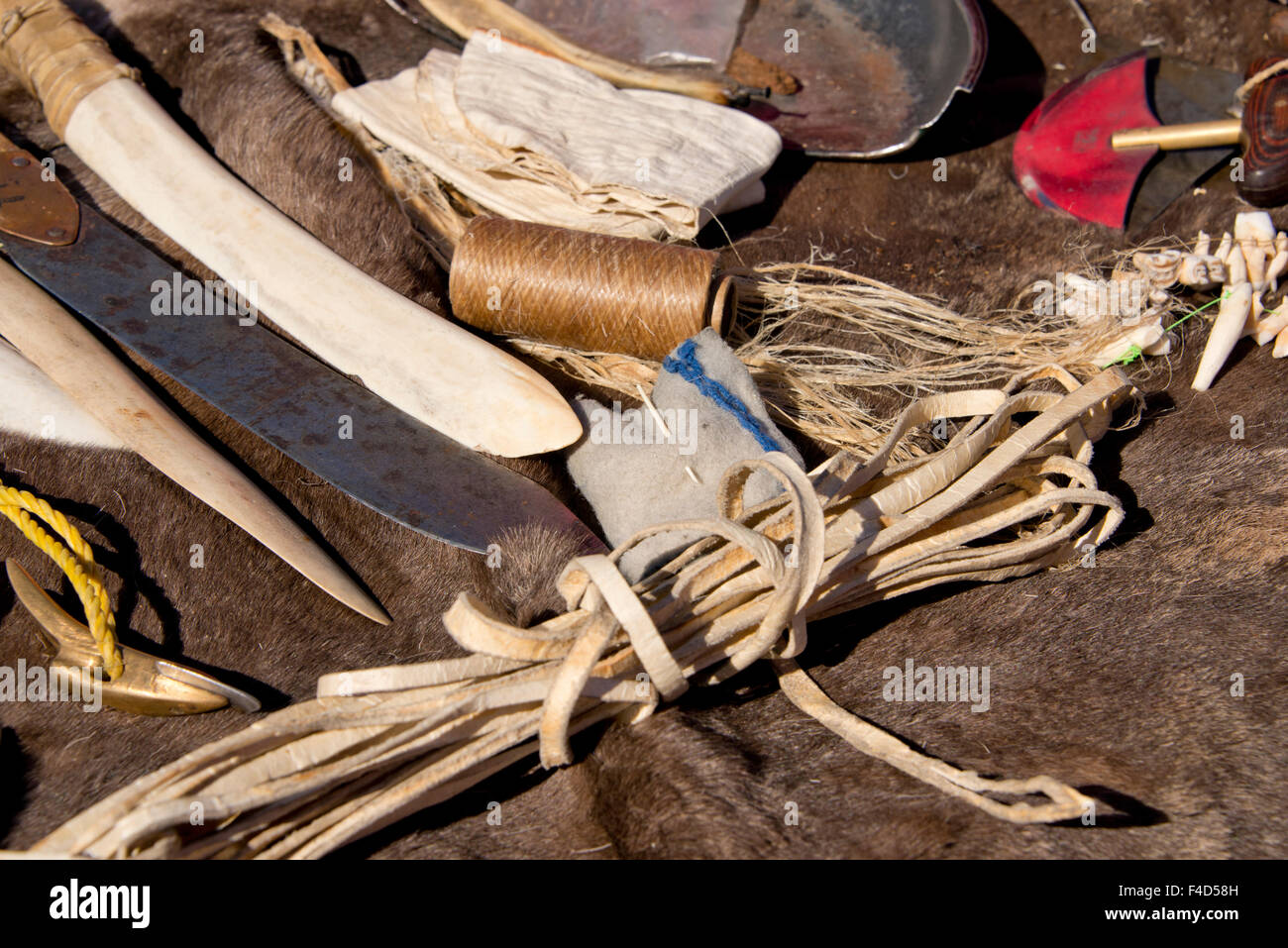
The Arctic, a landscape of breathtaking beauty and formidable challenges, has been home to the Inuit people for millennia. Survival in such an extreme environment demanded unparalleled ingenuity, resourcefulness, and a profound understanding of available materials. Central to this survival was the art of sewing, a skill that transformed raw animal hides into life-saving garments, shelter, and essential tools.
Inuit sewing is far more than mere craft; it is a sophisticated system of engineering, deeply intertwined with cultural identity, traditional knowledge, and the very existence of northern communities. The tools and materials employed by Inuit seamstresses, or iglukitsaq, are a testament to human adaptability and the power of innovation in the face of adversity.
Understanding Inuit sewing tools and materials offers a fascinating glimpse into a culture that mastered sustainable living long before the concept became widespread. Every material was chosen for its specific properties, and every tool was designed for maximum efficiency and durability.
The Foundation: Materials for Garments and Beyond
- Caribou Hide: Renowned for its warmth and lightness, caribou hide was (and still is) a primary material for parkas, trousers, and inner layers. Its hollow hairs provide excellent insulation against the bitter cold.
- Sealskin: Prized for its waterproof qualities, sealskin was crucial for making outer garments, boots (kamiks), and kayak coverings. Its natural oils and dense fur offered superior protection against moisture and wind.
- Polar Bear Fur: While less common due to the animal’s powerful nature, polar bear fur was sometimes used for specialized garments, particularly for its exceptional warmth and resistance to extreme cold.
- Bird Skins: Skins from birds like eider ducks were often used for inner layers of clothing, providing incredible warmth with minimal weight, particularly for infants.
The preparation of these hides was an arduous process, often involving scraping, stretching, and chewing to soften them – a technique known as ‘tanning by mouth,’ which also imparted natural oils and enzymes. This meticulous preparation was vital for creating durable, flexible, and comfortable materials ready for stitching.

Essential Sewing Tools: A Legacy of Ingenuity
The tools themselves were often crafted from the very resources the Inuit hunted and gathered, reflecting a cyclical relationship with their environment. These indigenous tools were simple in design but incredibly effective.
Needles: The Heart of the Stitch
The needle is arguably the most fundamental sewing tool. Traditional Inuit needles were marvels of micro-craftsmanship, typically made from bone, antler, ivory, or sometimes even hardened wood.
- Traditional Needles: These slender instruments were painstakingly carved and polished, often with a delicate eye drilled or carved at one end. Their strength and sharpness were critical for piercing tough animal hides. The selection of material, such as caribou bone or walrus ivory, depended on availability and the specific task.
- Modern Needles: With the arrival of European traders, steel needles were introduced. These quickly gained popularity due to their superior sharpness, durability, and uniformity, largely replacing traditional bone needles for many tasks, though bone needles are still used by some for cultural continuity.
Thread: Strength and Durability
The choice of thread was just as important as the needle, dictating the strength and waterproof qualities of the finished garment. Inuit thread was almost exclusively derived from animal sources.
- Sinew: The most common traditional thread, sinew, was meticulously prepared from the tendons of animals like caribou or whale. It was dried, pounded, and then separated into fine, strong strands. Sinew swells when wet, creating a naturally waterproof seam, which was essential for survival gear like kamiks (boots) and waterproof parkas.
- Gut: For highly waterproof seams, particularly in garments intended for marine environments, finely cut strips of seal or whale gut were sometimes used. These provided an exceptional barrier against moisture.
- Modern Threads: Today, cotton, nylon, and other synthetic threads are also used, offering convenience and strength, though they do not possess the natural waterproofing properties of sinew.
The Ulu: More Than Just a Knife

The ulu, a crescent-shaped knife with a handle, is an iconic Inuit tool and a testament to versatile design. While often associated with food preparation, its role in sewing was equally crucial.
- Versatility: The ulu was expertly used for skinning animals, preparing meat, and, critically, for cutting hides with precision. Its unique shape allowed for rock-steady control, making clean, even cuts essential for fitting garment pieces together.
- Materials: Traditionally, ulu blades were crafted from slate, chert, or other suitable stones, carefully ground and sharpened. Handles were typically made from bone, antler, or wood. With trade, metal blades became common, offering superior sharpness and longevity.
Thimbles: Protecting the Artisan’s Hand
Pushing a needle through thick hide required significant force, making thimbles indispensable for protecting the fingers of the seamstress.
- Traditional Thimbles: These were often made from thick, hardened pieces of sealskin, sometimes reinforced with additional layers or even a small piece of bone or antler. They were designed to fit snugly over the finger, providing a protective barrier.
- Modern Thimbles: Metal thimbles, similar to those used globally, also found their way into Inuit sewing kits, offering robust protection.
Awls and Punches: Preparing the Way
Before a needle could pass through the toughest hides, an awl or punch was often used to create pilot holes.
- Purpose: Awls were essential for piercing thick, unprocessed hides or for creating decorative perforations. This pre-punching prevented needles from breaking and ensured consistent stitch spacing.
- Materials: These pointed tools were typically made from sharpened bone, antler, or sometimes a metal tip hafted into a bone or wood handle.
Scrapers: Preparing the Hides
Before any cutting or sewing could begin, hides needed extensive preparation. Scrapers were vital for this initial stage.
- Purpose: Scrapers, often made from stone or bone, were used to remove residual flesh and fat from the underside of hides. This process, known as ‘defleshing,’ was crucial for preventing spoilage and ensuring the hide remained supple and workable. Different types of scrapers were used for various stages of cleaning and softening.
The Art of the Stitch: Techniques and Applications
Inuit seamstresses developed sophisticated stitching techniques to ensure garments were not only warm but also waterproof and durable. The tiny, even stitches, often sewn in a running stitch or a blind stitch, were a hallmark of quality. Waterproof seams, for instance, were achieved by sewing two layers of hide with sinew, where the sinew would swell when wet, sealing the needle holes.
The application of these tools and materials resulted in iconic garments such as the amauti (a woman’s parka designed to carry a baby), kamiks (waterproof boots), and various types of mitts and outer parkas, each meticulously crafted for specific functions and conditions.
Cultural Significance and Modern Adaptations
The knowledge of Inuit sewing tools and materials, along with the techniques, has been passed down through generations, often from mother to daughter. This transmission of traditional knowledge is a vital part of Inuit cultural heritage, reinforcing community bonds and identity.
Today, while modern materials and tools are readily available, many Inuit artisans continue to honor traditional methods, creating stunning contemporary pieces that blend ancient techniques with modern aesthetics. These creations are not just garments; they are wearable art, embodying centuries of Arctic craftsmanship and resilience.
The ingenuity in selecting and utilizing every part of an animal for tools and materials highlights a deep respect for nature and a sustainable approach to resource management that remains relevant today.
In conclusion, the story of Inuit sewing tools and materials is a powerful narrative of innovation, survival, and cultural endurance. From the bone needle to the versatile ulu, and from sinew thread to waterproof sealskin, each element played a critical role in enabling the Inuit people to thrive in one of the world’s harshest environments. These tools and materials are not merely historical artifacts; they represent a living legacy of Arctic craftsmanship, a testament to human spirit, and a profound connection to the land and its resources that continues to inspire and inform.
The precision, skill, and deep understanding of natural properties involved in Inuit sewing underscore its importance as both a practical skill and a vital cultural expression. It reminds us of the profound lessons in resourcefulness and sustainability that can be learned from indigenous cultures.


