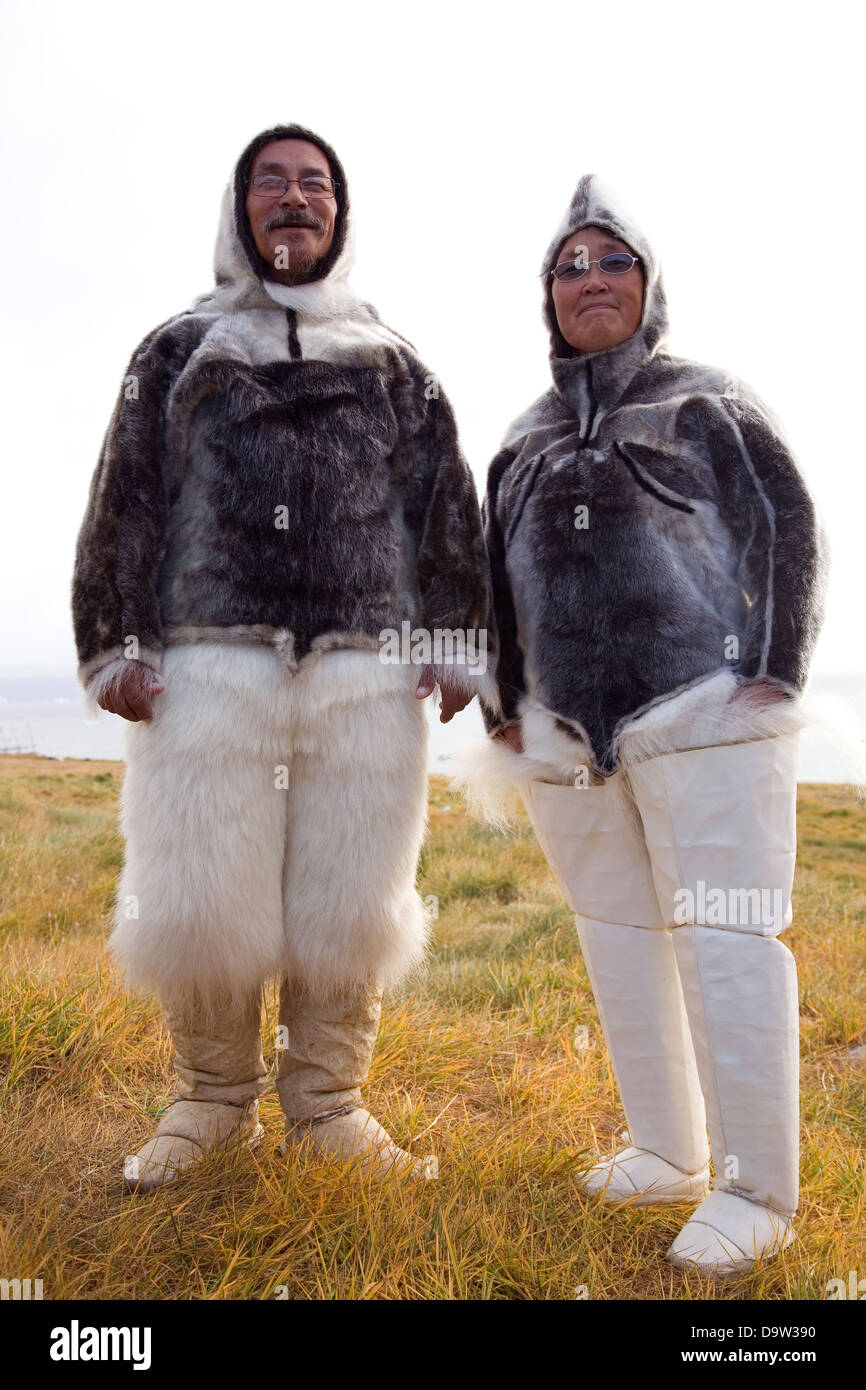

In the vast, unforgiving expanses of the Arctic, where temperatures plummet to extreme lows and winds howl relentlessly, survival hinges on ingenuity, resilience, and superior protection. For millennia, the Inuit people have mastered the art of living in this challenging environment, and at the heart of their endurance lies their remarkable clothing, meticulously crafted from sealskin.
More than mere attire, Inuit sealskin clothing represents a profound connection to the land, an intricate understanding of animal resources, and a legacy of cultural heritage passed down through generations. These garments are not just warm; they are a testament to human adaptation and the ultimate in natural insulation.
This comprehensive guide delves into the world of Inuit sealskin clothing materials, exploring their historical significance, unique properties, traditional preparation techniques, and their enduring relevance in the modern world. We aim to shed light on the craftsmanship and the deep cultural meaning embedded in every stitch.
A History Woven into Survival: The Arctic’s Ultimate Fabric
For thousands of years, the seal has been a central pillar of Inuit life, providing sustenance, oil for light and heat, and, crucially, the raw materials for clothing. The development of sealskin garments was an evolutionary necessity, enabling the Inuit to thrive where others would perish.
Early Arctic explorers often marveled at the Inuit’s ability to withstand the cold, attributing much of their success to their sophisticated understanding of clothing design and material science, long before such terms existed. Each garment was a carefully engineered system for warmth, dryness, and mobility.


The knowledge of how to hunt seals, process their skins, and sew them into garments was, and remains, a vital part of Inuit traditional knowledge, forming a cornerstone of their cultural identity.
The Unparalleled Properties of Sealskin
- Exceptional Insulation: The dense fur and underlying fat layer of a seal provide incredible thermal insulation, trapping body heat efficiently. When processed correctly, the hair-on skin creates a thick, insulating barrier against the cold.
- Superior Water Resistance: Sealskin is naturally water-resistant, and when treated with traditional methods, it becomes virtually waterproof. This is crucial for staying dry in a landscape of snow, ice, and slush, preventing hypothermia.
- Durability and Longevity: Properly prepared sealskin is incredibly robust and resistant to tearing and abrasion, ensuring garments last for many seasons, even with daily use in harsh conditions.
- Lightweight and Flexible: Despite its insulating power, sealskin can be surprisingly lightweight and flexible, allowing for ease of movement essential for hunting and daily activities.
- Breathability: Unlike many synthetic waterproof materials, natural sealskin, particularly when processed traditionally, allows for some breathability, preventing moisture buildup from perspiration.
These combined attributes make sealskin the ultimate natural material for Arctic survival gear, a testament to nature’s own engineering.
The Art of Preparation: From Seal to Garment
The transformation of a raw sealskin into a wearable garment is a labor-intensive process, demanding skill, patience, and deep traditional knowledge. This process is as crucial as the material itself in determining the final garment’s quality and protective capabilities.
Traditionally, sealskins were cleaned, scraped to remove blubber, and then stretched and dried. Various tanning methods were employed, including brain-tanning or chewing the skins to soften them, often by women, a physically demanding task that also helped to preserve their natural properties.
The choice of whether to keep the hair on or remove it depended on the garment’s intended use. Hair-on skins were typically used for outer layers like parkas and mittens for maximum warmth, while dehaired skins, often referred to as ‘hairless sealskin’ or ‘depilated sealskin,’ were used for waterproof boots (kamiks) and inner layers.
Modern processing techniques may involve more industrialized tanning methods, but the core principles of preserving the skin’s integrity and natural properties remain paramount. The goal is always to create a material that is both strong and pliable.

Iconic Sealskin Garments: Design for the Arctic
- The Atigi (Parka/Anorak): The most iconic sealskin garment, the parka, is designed for ultimate warmth. Often featuring a large hood lined with wolverine or wolf fur (for frost resistance), it’s crafted to protect the entire upper body and often extends to the thighs. Double-layered parkas, with an inner and outer layer of fur (fur-in and fur-out), provided unparalleled insulation.
- Kamiks (Boots): Essential for protecting feet from frostbite and wet conditions, kamiks are traditionally made from dehaired sealskin for the sole and sometimes the leg, or hair-on sealskin for the upper parts. They are often lined with caribou fur and sewn with waterproof stitches using sinew, creating remarkably effective footwear.
- Pants and Trousers: Sealskin pants provided crucial leg protection, often designed to overlap with parkas to prevent cold air from entering.
- Mittens and Gloves: Thick sealskin mittens, often lined with fur, ensured hands remained warm and functional, critical for handling tools and hunting in sub-zero temperatures.
- Amauti (Baby Carrier): While not exclusively sealskin, the amauti often incorporated sealskin elements for warmth and durability, allowing Inuit mothers to carry their infants close, ensuring their survival in harsh climates.
The tailoring itself is an art form, with precise cuts and strong, often waterproof, stitching techniques that are integral to the garment’s performance.
Sustainability and Ethical Considerations: A Balanced Perspective
The topic of sealskin often raises questions about sustainability and ethics. It’s crucial to understand the context of traditional Inuit seal hunting practices.
For Inuit communities, seal hunting is not merely a commercial activity but a fundamental aspect of their culture, diet, and economy. It is a highly regulated and sustainable practice, essential for their survival and cultural continuity.
Historically, every part of the seal was utilized, ensuring no waste. This holistic approach reflects a deep respect for the animal and the environment, a practice that continues today.
Misconceptions surrounding commercial sealing, particularly historical practices in other regions, have unfortunately cast a shadow over the legitimate and sustainable harvesting practices of Inuit communities. The modern Inuit seal harvest is conducted under strict regulations, focusing on abundant species, and is vital for many northern communities’ livelihoods.
Sealskin in the Modern World: Heritage and Innovation
Today, sealskin continues to be a valued material, not only for traditional purposes but also in contemporary fashion and art. Inuit designers are incorporating sealskin into modern garments, accessories, and art pieces, showcasing its beauty and durability to a global audience.
This fusion of traditional craftsmanship with modern aesthetics helps to preserve cultural knowledge, create economic opportunities for Inuit artisans, and educate the world about the heritage of Arctic peoples.
The demand for ethically sourced, sustainable materials has also brought renewed interest in sealskin, recognized for its natural properties and the cultural significance of its production.
Caring for Sealskin Garments: Preservation Tips
- Drying: Never dry sealskin garments near direct heat sources. Air dry them naturally in a cool, well-ventilated area, away from direct sunlight.
- Cleaning: For minor dirt, gently brush the fur. For deeper cleaning, professional cleaning specializing in fur or leather is recommended. Avoid washing machines and harsh detergents.
- Storage: Store sealskin in a cool, dark, and dry place. Allow air circulation and avoid plastic bags that can trap moisture. Moths can be an issue, so consider natural repellents.
- Avoid Chemicals: Perfumes, hairsprays, and other chemicals can damage the fur and skin.
Following these guidelines will help preserve the beauty and functionality of these precious garments for years to come.
The Enduring Legacy of Inuit Sealskin
Inuit sealskin clothing materials are far more than just a means to stay warm; they are a living testament to human ingenuity, resilience, and a profound connection to the natural world. From the intricate preparation techniques to the purposeful design of each garment, sealskin embodies centuries of accumulated wisdom.
It speaks of a culture that thrives in one of the planet’s most challenging environments, not by conquering nature, but by understanding and working in harmony with it. The legacy of Inuit sealskin clothing continues to inspire, educate, and protect, standing as a powerful symbol of Arctic heritage and sustainable living.
As we look to the future, the lessons embedded in these traditional garments – of resourcefulness, respect for nature, and the power of indigenous craftsmanship – remain profoundly relevant.
The warmth of an Inuit sealskin parka is not just physical; it is the warmth of a culture, a history, and a people who have mastered the art of survival with grace and wisdom.


