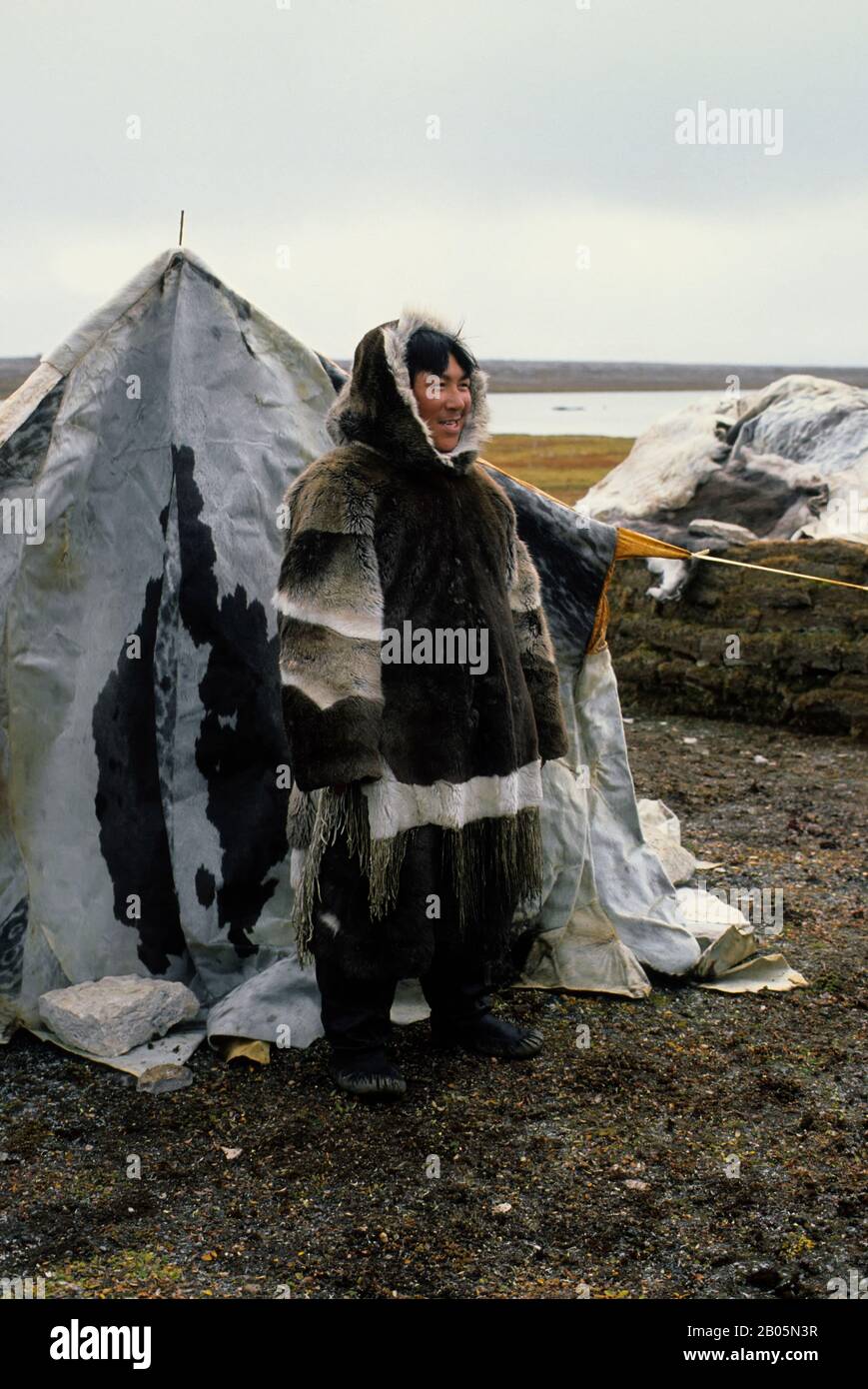
The vast, pristine landscapes of the Arctic have long been home to the Inuit, a people whose culture and survival are inextricably linked to the land and its resources. At the heart of their traditional way of life lies the hunting camp—a dynamic hub of activity, knowledge, and community that has sustained generations.
More than just a temporary dwelling, an Inuit hunting camp represents a profound connection to the environment, a school for survival, and a vibrant center for cultural transmission. It is where ancient skills meet modern ingenuity, ensuring the continuity of a unique heritage in one of the world’s harshest yet most beautiful regions.
This comprehensive article delves into the multifaceted world of Inuit hunting camp life, exploring its historical roots, daily rhythms, essential practices, and the challenges faced in the modern era. Join us as we uncover the resilience and wisdom embedded in these vital Arctic traditions.
A Timeless Tradition: The Historical Significance of Inuit Hunting
For millennia, hunting has been the cornerstone of Inuit existence. It provided not only food, but also materials for clothing, shelter, tools, and fuel. The ability to hunt successfully meant the difference between life and death in a land where resources were often scarce and unpredictable.
Early Inuit societies developed sophisticated hunting techniques and an intimate understanding of animal behavior and migration patterns. These skills were honed over generations, becoming an integral part of their identity and worldview, passed down through oral histories and practical experience.
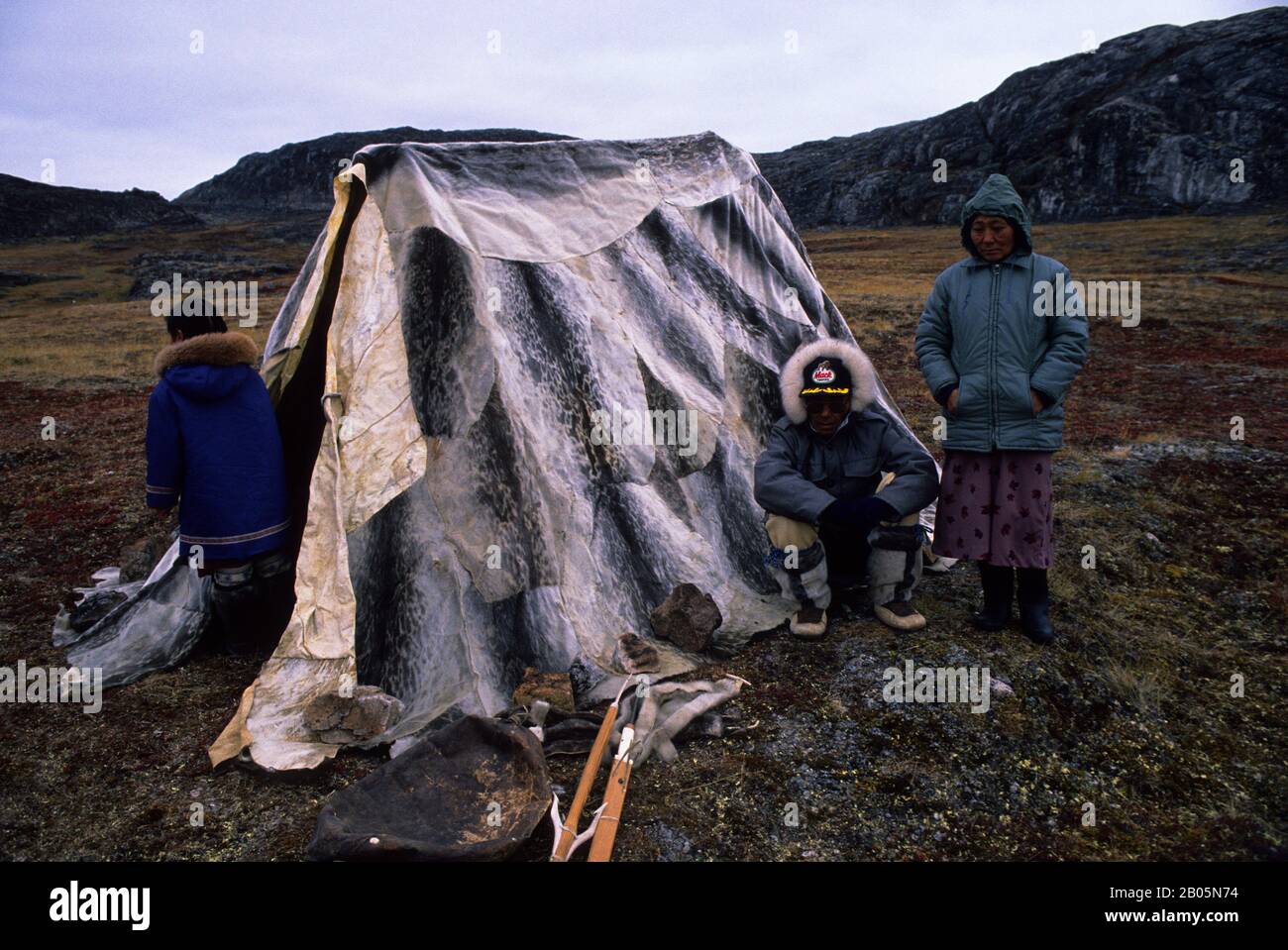
The establishment of temporary hunting camps allowed Inuit families and groups to follow game, adapt to seasonal changes, and efficiently harvest resources across their vast territories. These camps were never static; they moved with the rhythms of the land and sea.
The Essence of an Inuit Hunting Camp: More Than Just Shelter
An Inuit hunting camp is a microcosm of their society, embodying principles of cooperation, resourcefulness, and respect for nature. It’s a place where elders impart wisdom, youth learn essential skills, and the community strengthens its bonds.
These camps are strategically chosen for their proximity to game, access to water, and protection from harsh weather. Their location dictates the types of hunting undertaken, whether it’s for marine mammals along the coast or caribou inland.
Life in an Inuit hunting camp is characterized by a deep connection to the natural world. Every activity, from setting up shelter to preparing meals, is interwoven with the environment and the pursuit of sustenance.
Seasonal Rhythms: Adapting to the Arctic Calendar
Inuit hunting camp life is dictated by the dramatic seasonal shifts of the Arctic. Each season brings unique opportunities and challenges for hunters and their families.
Spring often marks the return of migratory birds and the breaking up of sea ice, opening up new hunting grounds for seals and whales. Camps might be located near polynyas (open water areas within sea ice) where marine mammals congregate.
Summer allows for travel by boat and greater access to fish, birds, and land mammals like caribou. Camps during this time might be more dispersed, with families focusing on specific resources.

Autumn is a crucial period for harvesting and preparing for winter. Caribou hunts are paramount, providing vital meat and hides. Camps are often set up along caribou migration routes.
Winter brings extreme cold and darkness, but also stable sea ice for seal hunting and access to inland areas by dog team or snowmobile. Winter camps are often more robust, sometimes featuring semi-permanent structures.
Traditional Hunting Methods and Tools: A Legacy of Ingenuity
Traditional Inuit hunting relied on an astounding array of ingenious tools and methods, each perfectly adapted to the Arctic environment. The harpoon, with its detachable head, was essential for hunting seals and whales.
For land mammals, bows and arrows were used, while snares and traps caught smaller game. Transportation was facilitated by kayaks for water travel and sleds (qamutik) pulled by dog teams for traversing ice and snow.
These methods were not just about killing animals; they were about understanding ecosystems, predicting movements, and exercising patience and profound respect for the hunted creatures.
Modern Adaptations: Bridging Tradition and Technology
While traditional knowledge remains paramount, modern technology has significantly impacted Inuit hunting camp life. Snowmobiles have largely replaced dog teams for faster travel, and rifles offer greater efficiency and safety compared to traditional weaponry.
GPS devices, satellite phones, and two-way radios enhance safety and communication, allowing hunters to navigate vast territories and stay connected with their communities. These tools are seen not as replacements for traditional skills, but as enhancements.
The integration of modern technology allows hunters to cover larger areas, hunt more effectively, and spend less time on travel, which can be crucial in a changing climate. However, the core principles of sharing, respect, and traditional knowledge persist.
Daily Life in a Hunting Camp: A Tapestry of Activities
Life in an Inuit hunting camp is a vibrant mix of practical tasks, communal activities, and intergenerational learning. Shelters vary from traditional igloos and skin tents (tupiq) to modern canvas tents and small wooden cabins.
Food preparation is a communal affair. Freshly hunted game is butchered and shared, often raw or lightly cooked. Meals are a time for storytelling, laughter, and strengthening family bonds. Nothing goes to waste; every part of an animal is utilized.
Children learn by observing and participating from a young age, developing essential survival skills, tracking abilities, and an understanding of the environment. Elders play a crucial role in passing down stories, songs, and practical wisdom.
The Bounty of the Arctic: Types of Game Hunted
Inuit hunters pursue a diverse range of animals, each vital to their diet and culture. Marine mammals such as seals (ringed, bearded, harp), walrus, and various whale species (bowhead, beluga, narwhal) provide rich sources of protein, fat, and vitamins.
On land, caribou are a primary food source, offering meat, hides for clothing and shelter, and antlers for tools. Muskox and occasionally polar bears are also hunted, with strict regulations in place for the latter.
Birds like geese and ducks, along with various fish species caught through ice fishing or netting, supplement the diet, especially during warmer months. The diversity of game ensures resilience in food security.
The Importance of Sharing: Nunaqpa and Community Well-being
A foundational principle of Inuit society is nunaqpa, the traditional practice of sharing. When a large animal is harvested, particularly a whale or caribou, the catch is meticulously divided among families and community members. This ensures that everyone benefits and no one goes hungry.
This sharing economy is not just about food distribution; it reinforces social cohesion, mutual support, and strengthens the community’s collective resilience. It’s a powerful demonstration of interdependence and generosity.
Passing Down Knowledge: The Oral Tradition and Experiential Learning
Inuit hunting camps are living classrooms. Knowledge is primarily transmitted through observation, direct participation, and storytelling. Young hunters learn by accompanying elders, watching their techniques, and practicing skills under their guidance.
This experiential learning encompasses not only hunting techniques but also navigation, weather prediction, animal behavior, and the spiritual protocols associated with hunting. It ensures that traditional ecological knowledge (TEK) endures.
Challenges Faced by Modern Inuit Hunters
Contemporary Inuit hunters face numerous challenges. Climate change is perhaps the most pressing, leading to unpredictable ice conditions, altered animal migration patterns, and increased risks on the land and sea.
Government regulations and quotas, often developed without sufficient Inuit consultation, can sometimes clash with traditional practices and food security needs. Economic pressures also play a role, as the cost of modern equipment (fuel, snowmobiles, rifles) can be substantial.
Furthermore, the allure of modern conveniences and globalized culture can sometimes draw youth away from traditional camp life, threatening the intergenerational transfer of vital skills.
Conservation and Sustainability: Inuit Traditional Ecological Knowledge
Despite external pressures, Inuit communities remain deeply committed to sustainable harvesting practices. Their traditional ecological knowledge (TEK) emphasizes respect for all living things and the careful management of resources.
Inuit hunters inherently understand the delicate balance of their ecosystem and practice self-regulation to ensure the long-term health of animal populations. They are often at the forefront of advocating for meaningful conservation strategies that incorporate their ancestral wisdom.
Spiritual and Cultural Significance: A Profound Connection
The act of hunting reinforces a profound sense of identity and belonging, fostering resilience and pride in their unique cultural heritage. It is a way of life that sustains not just the body, but also the soul.
Safety and Survival Skills: Mastering the Arctic Environment
Life in an Inuit hunting camp demands exceptional survival skills. Hunters must be adept at reading weather patterns, navigating vast, featureless landscapes, building temporary shelters, and treating injuries in remote conditions.
Knowledge of first aid, mechanical repair for equipment, and understanding the behavior of dangerous wildlife like polar bears are all critical components of ensuring safety in the harsh Arctic.
The Enduring Legacy of Inuit Hunting Camps
Inuit hunting camps stand as powerful testaments to human adaptability, resilience, and the enduring strength of cultural identity. They are dynamic spaces where ancient wisdom meets modern tools, all unified by the fundamental goal of sustaining life in the Arctic.
While facing new challenges, the spirit of Inuit hunting camp life—rooted in community, respect for nature, and the continuous transmission of knowledge—continues to thrive, ensuring that this vital tradition will inspire future generations.
The lessons learned in these camps—of resourcefulness, cooperation, and profound connection to the environment—offer valuable insights for us all as we navigate an increasingly complex world.


