
The Arctic, a region long defined by its icy landscapes and unique cultures, is undergoing a dramatic transformation due to climate change. Among those most profoundly affected are the Inuit, whose traditional hunting practices, deeply intertwined with their cultural identity and survival, are facing unprecedented challenges. This article delves into the intricate relationship between Inuit hunting and climate change, exploring the impacts, adaptations, and the future of this ancient way of life.
The Inuit: A People of the Arctic
For millennia, the Inuit have inhabited the Arctic regions of Alaska, Canada, Greenland, and Russia. Their traditional way of life is inextricably linked to the land and sea, with hunting serving as a cornerstone of their culture, economy, and social structure. Hunting provides food, clothing, tools, and a sense of community, passing down traditional knowledge from one generation to the next. The Inuit possess an intimate understanding of the Arctic environment, honed through centuries of observation and adaptation.
Traditional Inuit Hunting Practices
Inuit hunting is not merely a means of obtaining food; it is a deeply spiritual and cultural practice. Hunters possess extensive knowledge of animal behavior, migration patterns, and weather conditions. Traditional hunting methods vary depending on the region and available resources, but common prey includes seals, whales, caribou, and fish. The sharing of the hunt is a vital aspect of Inuit culture, reinforcing social bonds and ensuring the well-being of the community.
- Deep ecological knowledge: Understanding animal behavior and environmental cues.
- Sustainable practices: Respecting animal populations and avoiding over-hunting.
- Community sharing: Distributing the harvest among community members.
- Spiritual connection: Viewing animals as integral parts of the ecosystem and treating them with respect.
Climate Change: A Threat to the Arctic Ecosystem
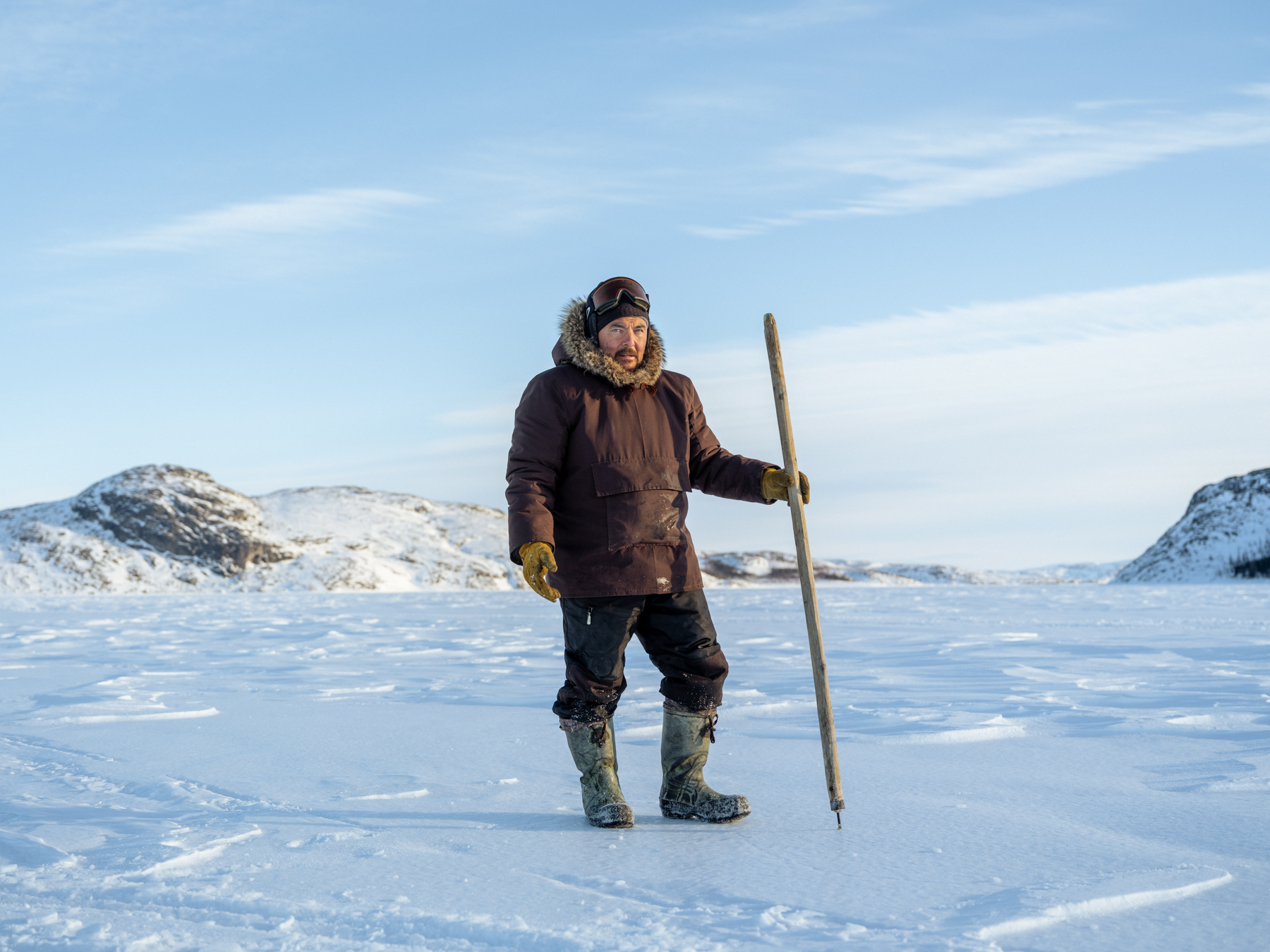
- Melting sea ice: Reduced ice cover makes hunting more dangerous and less predictable.
- Thawing permafrost: Destabilizes infrastructure and releases greenhouse gases.
- Changes in animal populations: Alters migration patterns and availability of prey.
- Extreme weather events: Increases the risk of dangerous hunting conditions.
The Impact of Climate Change on Inuit Hunting
The decline in sea ice is perhaps the most significant challenge. Sea ice serves as a platform for hunting seals, walruses, and other marine mammals. As the ice thins and melts earlier in the season, hunters have less access to these animals. The unpredictable nature of the ice also makes travel more dangerous, increasing the risk of accidents.
Warming temperatures and altered sea ice conditions are affecting the migration patterns of many Arctic animals. Caribou, for example, may migrate to different areas or alter their calving seasons, making it difficult for hunters to predict their movements. Similarly, changes in ocean currents and water temperatures can affect the distribution of fish and marine mammals.
Extreme weather events, such as storms and blizzards, are becoming more frequent and intense in the Arctic. These events can disrupt hunting activities, damage equipment, and create hazardous conditions for hunters. The increased unpredictability of the weather makes it difficult for hunters to plan their trips and ensure their safety.
While not directly related to hunting on ice, thawing permafrost impacts infrastructure and access to hunting grounds. It can damage roads and buildings, making it more difficult for hunters to reach remote areas. It also releases methane, a potent greenhouse gas, further exacerbating climate change.
The rapid changes in the Arctic environment are challenging the traditional knowledge that has been passed down through generations. Hunters rely on their understanding of animal behavior and environmental cues to locate prey and navigate safely. However, as the environment changes, this knowledge becomes less reliable, making hunting more difficult and dangerous.
Economic and Social Impacts
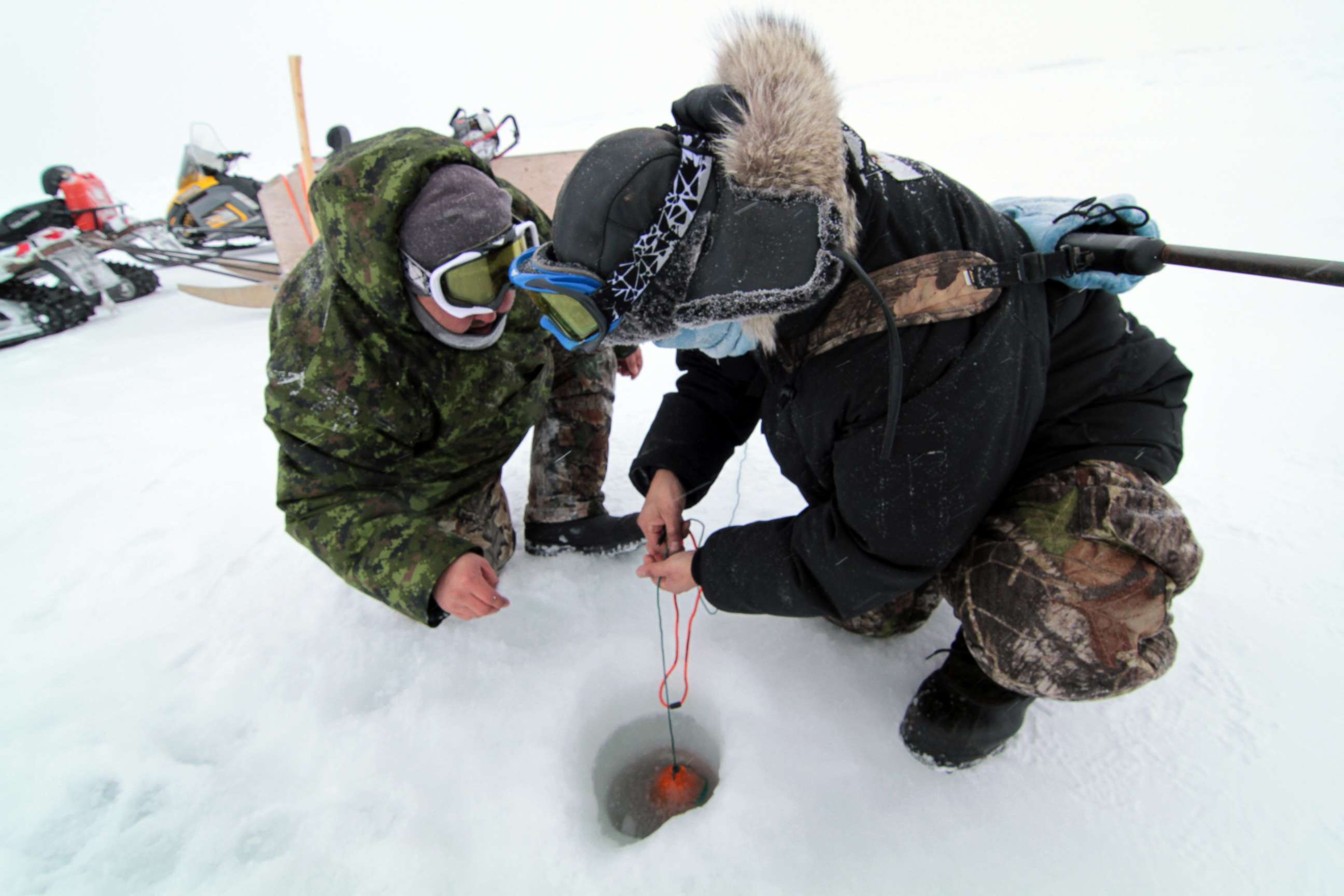
The decline in hunting success has significant economic and social consequences for Inuit communities. Hunting provides a vital source of food and income, and its decline can lead to food insecurity and economic hardship. The loss of hunting opportunities also affects cultural identity and social cohesion, as it disrupts the traditional ways of life and weakens the bonds between generations.
Hunting provides a significant portion of the Inuit diet, and the decline in hunting success can lead to food insecurity. Store-bought food is often expensive and less nutritious than traditional foods, leading to health problems and a reliance on government assistance. The loss of traditional foods also has cultural implications, as it disconnects people from their heritage and traditional ways of life.
Hunting is deeply intertwined with Inuit cultural identity, and its decline can lead to a loss of cultural heritage. Traditional hunting practices are passed down through generations, teaching young people about the land, animals, and the importance of respecting the environment. As hunting becomes less viable, these traditions are at risk of being lost.
The challenges faced by Inuit hunters can also have significant mental health impacts. The loss of hunting opportunities, food insecurity, and the disruption of traditional ways of life can lead to stress, anxiety, and depression. The erosion of cultural identity can also contribute to feelings of isolation and hopelessness.
Adaptation and Resilience
Despite the significant challenges posed by climate change, Inuit communities are demonstrating remarkable resilience and adapting to the changing environment.
Inuit hunters are increasingly using technology to adapt to the changing environment. GPS devices, satellite phones, and improved weather forecasting tools can help hunters navigate safely and plan their trips more effectively. Snowmobiles and other motorized vehicles can also provide access to hunting areas that are difficult to reach on foot or by dog sled.
Inuit communities are actively involved in monitoring the impacts of climate change on the environment. They are collecting data on sea ice conditions, animal populations, and weather patterns, and sharing this information with scientists and policymakers. This community-based monitoring helps to inform adaptation strategies and ensure that local knowledge is incorporated into decision-making processes.
Some Inuit communities are exploring alternative sources of income to reduce their reliance on hunting. These include tourism, arts and crafts, and renewable energy projects. Diversifying the economy can help to buffer the impacts of climate change on food security and economic stability.
Efforts are being made to preserve and transmit traditional knowledge to future generations. Elders are working with young people to document traditional hunting practices, stories, and songs. These efforts help to ensure that traditional knowledge is not lost and that future generations can continue to learn from the wisdom of their ancestors.
Inuit organizations are actively advocating for policies that address climate change and protect the rights of Indigenous peoples. They are working with governments and international organizations to raise awareness of the challenges faced by Inuit communities and to promote sustainable development in the Arctic.
The Future of Inuit Hunting
The future of Inuit hunting depends on a combination of factors, including the severity of climate change, the effectiveness of adaptation strategies, and the commitment of governments and international organizations to support Inuit communities. While the challenges are significant, the resilience and adaptability of the Inuit people offer hope for the future.
The most important step in ensuring the future of Inuit hunting is to mitigate climate change. This requires reducing greenhouse gas emissions and transitioning to a low-carbon economy. Governments, businesses, and individuals all have a role to play in reducing their carbon footprint and supporting policies that promote sustainability.
It is also essential to support adaptation efforts in Inuit communities. This includes providing resources for technological adaptations, community-based monitoring, and diversification of income. It also means respecting the rights of Inuit peoples and ensuring that their voices are heard in decision-making processes.
Traditional knowledge is a valuable resource for understanding and adapting to climate change. It is important to recognize and respect traditional knowledge and to incorporate it into scientific research and policy-making. This can help to ensure that adaptation strategies are effective and culturally appropriate.
Efforts to preserve Inuit culture are also essential for the well-being of Inuit communities. This includes supporting language revitalization programs, promoting traditional arts and crafts, and celebrating Inuit cultural heritage. Preserving cultural identity can help to strengthen communities and build resilience in the face of climate change.
Conclusion
Inuit hunting is facing unprecedented challenges due to climate change. The melting sea ice, changing animal migration patterns, and increased unpredictability of the weather are all impacting traditional hunting practices and threatening the cultural identity and way of life of Inuit communities. However, the Inuit people are demonstrating remarkable resilience and adapting to the changing environment through technological innovations, community-based monitoring, and diversification of income. The future of Inuit hunting depends on mitigating climate change, supporting adaptation efforts, recognizing traditional knowledge, and promoting cultural preservation. By working together, we can help to ensure that the Inuit people continue to thrive in the Arctic for generations to come.
- Climate change is severely impacting Inuit hunting practices.
- Melting sea ice and changing animal patterns are major challenges.
- Inuit communities are adapting through technology and traditional knowledge.
- Mitigating climate change is crucial for the future of Inuit hunting.
- Supporting adaptation and cultural preservation is essential.


