
The Arctic, a region of unparalleled beauty and profound challenges, is home to diverse Indigenous peoples, among them the Inuit. For generations, Inuit communities have thrived in one of the planet’s most extreme environments, developing deep knowledge and resilience. However, in contemporary times, they face a severe and persistent crisis: a critical shortage of adequate housing. This isn’t merely a matter of shelter; it’s a complex web of issues impacting health, education, cultural continuity, and overall well-being.
Understanding the Inuit housing challenges in the Arctic requires a look beyond simple statistics. It demands an appreciation for the unique environmental, economic, social, and political factors that converge to create this ongoing crisis. From the melting permafrost to the exorbitant cost of materials, the obstacles are formidable.
The Harsh Reality: A Crisis in Numbers and Lives
Across the Canadian Arctic, Greenland, Alaska, and Chukotka, Inuit communities grapple with housing conditions that would be unacceptable in most other parts of the world. Overcrowding is rampant, with many homes housing multiple generations and often exceeding safe occupancy limits. This leads to a cascade of negative consequences, impacting every facet of daily life.
For example, in Nunavut, Canada’s predominantly Inuit territory, estimates suggest a need for thousands of new housing units to simply meet current demand and alleviate overcrowding, let alone accommodate future growth. Similar situations are found in other Arctic regions, painting a stark picture of housing insecurity.
Environmental Adversity: Climate Change and Permafrost Thaw
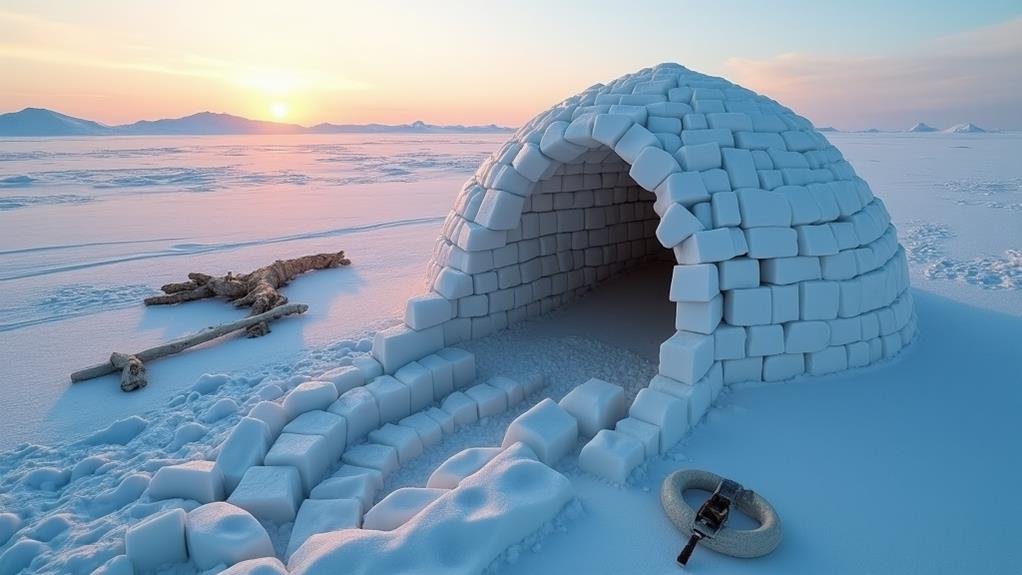
One of the most pressing and increasingly urgent challenges is the direct impact of climate change. The Arctic is warming at a rate far exceeding the global average, leading to significant environmental shifts that directly threaten existing infrastructure and make new construction incredibly difficult.
Permafrost degradation is a primary concern. Much of the Arctic’s land is underlain by permafrost, ground that remains frozen for at least two consecutive years. As temperatures rise, this permafrost thaws, causing the ground to become unstable. Buildings founded on this thawing ground can crack, shift, and even collapse, requiring expensive repairs or complete demolition.
Coastal erosion, another consequence of a warming Arctic with reduced sea ice, also poses a significant threat. Many Inuit communities are situated along coastlines, and rising sea levels combined with increased storm surges are eroding shorelines, putting homes and critical infrastructure at risk of being washed away.
Economic Barriers: Exorbitant Costs and Remote Logistics
Building in the Arctic is inherently expensive. The remote nature of most Inuit communities means that nearly all construction materials, equipment, and skilled labor must be transported thousands of kilometers, often by air or sea lift during specific seasons.
The cost of shipping alone can double or triple the price of materials compared to southern regions. Furthermore, the specialized nature of Arctic construction—requiring robust foundations, high insulation values, and resilient designs to withstand extreme cold, high winds, and permafrost instability—adds further to the overall expense.
This economic reality makes it incredibly difficult for individuals, communities, and even governments to fund the necessary housing development. The capital costs are immense, and the operational costs, including heating and maintenance, are equally challenging.
Infrastructure Deficiencies: Water, Sanitation, and Energy
Beyond the physical structures, a lack of adequate infrastructure exacerbates the housing crisis. Many homes in remote Inuit communities lack basic amenities such as running water and flush toilets. Instead, residents often rely on trucked-in water and ‘honey bags’ for human waste, which are then collected and disposed of.

This reliance on non-piped water and sanitation systems not only reduces the quality of life but also poses significant public health risks. It makes hygiene practices more challenging and contributes to the spread of infectious diseases, especially in overcrowded conditions.
Energy insecurity is another critical issue. Heating homes in the Arctic consumes vast amounts of energy, typically diesel fuel, which is expensive to transport and contributes to greenhouse gas emissions. High utility costs place a huge financial burden on households, often forcing families to choose between heating their homes adequately and other essential needs like food.
Social and Health Impacts: Overcrowding and Well-being
The direct consequences of inadequate and overcrowded housing are profound and far-reaching. Respiratory illnesses, such as tuberculosis and RSV, are significantly higher in communities with poor housing conditions, as airborne diseases spread more easily in confined, poorly ventilated spaces.
Overcrowding also contributes to increased stress, mental health challenges, and higher rates of domestic violence. Children growing up in overcrowded homes often struggle with concentration and academic performance due to a lack of quiet study spaces and disrupted sleep patterns.
The lack of dignity and privacy associated with inadequate housing can lead to feelings of shame and hopelessness, undermining the social fabric of communities and impacting the overall mental well-being of residents.
Cultural Appropriateness and Design Gaps
Historically, many housing solutions imposed on Inuit communities by external agencies failed to consider local cultural practices, family structures, and traditional ways of life. Southern-designed homes often do not meet the specific needs of Inuit families, who may require space for extended family, traditional activities like preparing country food, or storage for hunting gear.
A lack of culturally appropriate design can lead to homes that are not functional or comfortable for residents, further contributing to maintenance issues and a sense of disconnect. Emphasizing Inuit self-determination in housing design and development is crucial for creating sustainable and livable communities.
Maintenance and Repair Challenges
Even when homes are built, maintaining them in the Arctic climate is a constant battle. The extreme cold, wind, and moisture take a heavy toll on building materials. Many communities lack local tradespeople or access to specialized repair services, making timely and effective maintenance difficult and costly.
The high turnover of external workers and the challenges of retaining a skilled local workforce further compound these issues, leading to a backlog of repairs and homes falling into disrepair prematurely.
Addressing the Crisis: Pathways to Sustainable Solutions
Solving the Inuit housing crisis requires a multi-pronged approach that integrates local knowledge, innovative technologies, and sustained financial commitment. It’s not a quick fix but a long-term investment in the future of Arctic communities.
Community-led housing initiatives are proving to be effective, empowering Inuit organizations and local governments to design, build, and manage housing solutions that truly meet their needs. This approach ensures cultural relevance and fosters local capacity building.
Investing in sustainable building technologies and energy-efficient designs is paramount. This includes exploring modular construction, passive house principles, and renewable energy sources like solar and wind power to reduce reliance on expensive fossil fuels and lower utility costs.
Training and employment of local Inuit tradespeople is crucial. Developing a skilled local workforce not only addresses maintenance challenges but also creates economic opportunities within the community, fostering self-reliance and reducing dependence on external labor.
Increased and sustained government funding, coupled with flexible funding models, is essential to bridge the significant cost gap of Arctic construction. This includes funding for both capital projects and ongoing operations and maintenance.
Research and development into new materials and construction techniques specifically suited for permafrost environments and extreme cold are also vital. This includes advanced foundation systems and highly insulated building envelopes.
In conclusion, the Inuit housing challenges in the Arctic are a complex tapestry woven from environmental change, economic hardship, social disparities, and historical injustices. It is a crisis that demands urgent attention and collaborative solutions.
By prioritizing Inuit self-determination, embracing innovative and sustainable approaches, and committing to long-term investment, it is possible to build not just houses, but healthier, stronger, and more resilient communities across the Arctic. The future of the North depends on it.


