The Arctic, a vast expanse of ice and unforgiving cold, has been home to the Inuit people for millennia. Survival in this extreme environment demanded extraordinary ingenuity, deep knowledge of the land and sea, and, crucially, highly specialized tools. Among these, the harpoon stands out as a symbol of Inuit innovation and a cornerstone of their subsistence hunting practices.
Far from being a simple spear, the Inuit harpoon is a marvel of engineering, meticulously crafted to secure prey in the most challenging conditions. Its design reflects a profound understanding of mechanics, animal behavior, and the properties of natural materials available in the polar regions. This article delves into the intricate world of Inuit harpoon hunting tools, exploring their components, types, cultural significance, and enduring legacy.
The Arctic’s Lifeline: Why Harpoons Were Essential
For the Inuit, hunting was not merely a sport; it was the bedrock of their existence. Marine mammals like seals, whales, and walruses provided not only food but also blubber for fuel and light, hides for clothing and shelter, and bones and ivory for tools and art. The ability to effectively hunt these animals was paramount, and the harpoon was the primary instrument for this vital task.
The harpoon’s unique design allowed hunters to strike and then securely tether their prey, preventing escape into the icy depths or beneath the ice. This critical function differentiated it from a simple spear, which would merely wound or potentially lose the animal.
Anatomy of Ingenuity: Key Components of an Inuit Harpoon
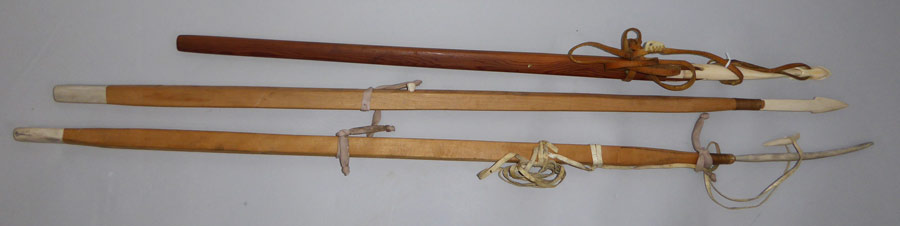
An Inuit harpoon was rarely a single, monolithic piece. Instead, it was an assembly of several distinct components, each serving a specific purpose and often crafted from different materials. This modular design allowed for repair, replacement, and adaptation to various hunting scenarios.
The Shaft: Typically made from wood (driftwood was highly prized), bone, or antler, the shaft provided the necessary length and rigidity. Its length varied depending on the target animal and hunting method, from shorter shafts for kayak hunting to longer ones for ice hole hunting.
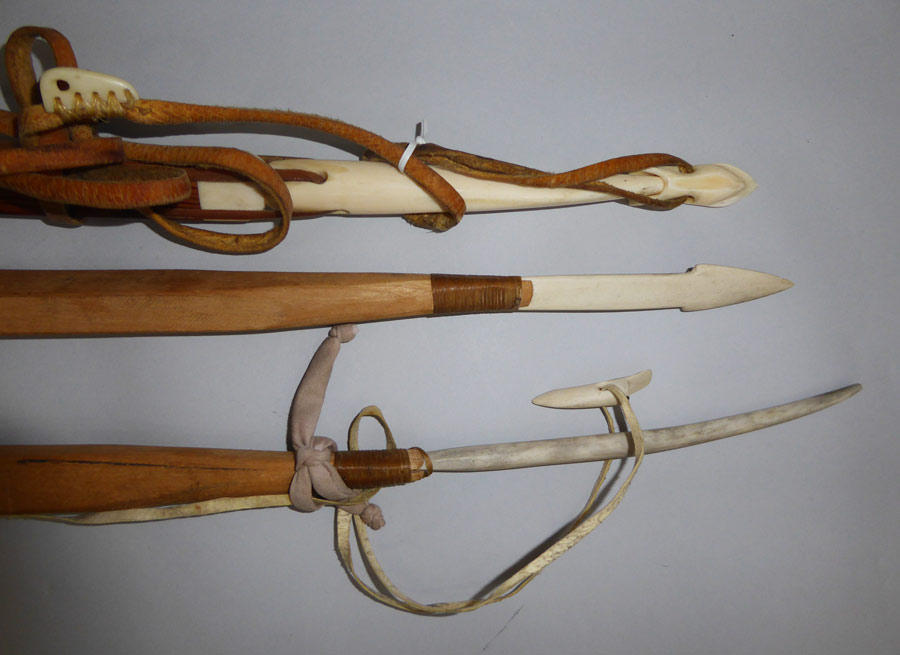
The Foreshaft: Positioned between the shaft and the harpoon head, the foreshaft was often made of antler or bone. Crucially, it could be flexible or rigid. A flexible foreshaft helped absorb the impact of the strike and prevent the harpoon from breaking, especially when hunting larger, more powerful animals.
The Harpoon Head (Toggle Head): This is perhaps the most iconic and ingenious part of the Inuit harpoon. Crafted from bone, ivory, antler, or, in later periods, metal, the head was detachable and barbed. Its defining feature was the ‘toggle’ mechanism.
When the harpoon struck an animal, the head would detach from the foreshaft. As the animal struggled, the barbs and the toggle design would cause the head to rotate horizontally within the animal’s flesh, creating a secure anchor that was extremely difficult to dislodge. This ingenious mechanism ensured the catch.
The Line: A strong, durable line was essential for retrieving the harpooned animal. Traditionally made from braided sinew, rawhide (such as sealskin thongs), or baleen, the line connected the harpoon head to the shaft or, more commonly, directly to a float or drag.
The Float/Drag: Often made from inflated sealskin bladders, these floats served multiple purposes. They helped track the harpooned animal, tired it out by creating drag, and prevented it from sinking if it died in the water. For larger prey like whales, multiple floats might be used.
Diverse Tools for Diverse Prey: Types of Inuit Harpoons
The Inuit developed specialized harpoons tailored to specific hunting needs and target species. Their toolkit was a testament to their adaptive genius.

- Sealing Harpoons: These were the most common. For hunting seals at breathing holes in the ice (mauliqtuq), longer shafts were used. For open-water hunting from kayaks, shorter, lighter harpoons were preferred.
- Whaling Harpoons: Significantly larger and more robust, whaling harpoons were designed to penetrate the thick blubber of whales. They often featured larger toggle heads and stronger lines, sometimes requiring multiple hunters to deploy them from an umiak (large open boat).
- Bird and Fish Harpoons: While not always featuring the toggle mechanism, multi-pronged spears or harpoons were used for catching birds and fish. These were lighter and designed for quick, precise strikes.
Materials and Master Craftsmanship: The Art of Harpoon Making
The creation of a harpoon was a highly skilled craft, passed down through generations. Hunters had to be adept at identifying suitable materials and transforming them into functional, reliable tools.
Traditional materials included: driftwood for shafts (a precious commodity in the treeless Arctic), bone (from caribou, muskox, or marine mammals), antler (caribou), walrus ivory (highly valued for its strength and workability), sinew (from caribou or seals) for lines and lashing, and rawhide (seal or walrus) for lines and floats. Stone tools were used for shaping, drilling, and carving these hard materials.
The introduction of European metal through trade routes significantly impacted harpoon design, providing stronger, sharper, and more durable heads and tips. However, the fundamental principles of the toggle harpoon remained, simply adapting to new materials.
Hunting Strategies: How Inuit Used Their Harpoons
The effectiveness of the harpoon was intrinsically linked to sophisticated hunting strategies.
Ice Hole Hunting (Mauliqtuq): A solitary hunter would patiently wait for hours, sometimes days, at a seal’s breathing hole. When a seal surfaced, the hunter would strike swiftly with a long-shafted harpoon, the toggle head securing the animal. The hunter would then use the line to pull the seal onto the ice.
Open Water Hunting from Kayaks: Agile kayaks (qajaq) allowed hunters to silently approach seals, walruses, or even narwhals. A shorter harpoon with a line attached to a float would be thrown. The float would track the animal, allowing the hunter to pursue and eventually retrieve it.
Whaling from Umiaks: Large-scale whaling involved coordinated efforts from multiple hunters in an umiak. Harpoons with very strong lines and several floats were used to exhaust the massive whales before they could be dispatched with lances.
The Cultural Heartbeat: Harpoons and Inuit Identity
Beyond their practical function, harpoons held immense cultural significance. They were not just tools; they were extensions of the hunter’s skill, knowledge, and connection to the spiritual world.
The successful hunter, equipped with a well-made harpoon, was a provider for their family and community, earning respect and status. The act of hunting was often accompanied by rituals and a deep reverence for the animals, ensuring sustainable practices and showing gratitude for the sustenance provided.
The knowledge of crafting and using harpoons was passed down from elders to youth, reinforcing community bonds and preserving vital traditions. Each harpoon told a story of survival, craftsmanship, and a profound relationship with the Arctic environment.
Evolution and Enduring Legacy in the Modern Era
With the arrival of European explorers and traders, Inuit hunting practices began to evolve. Firearms became available, offering new methods for dispatching prey. Motorized boats and snowmobiles changed mobility. However, the fundamental principles of sustainable hunting and the deep respect for animals endured.
While modern technology has altered some aspects of Arctic hunting, the traditional knowledge associated with harpoons and other indigenous tools remains vital. Many Inuit communities continue to hunt marine mammals, often blending traditional methods with modern equipment, ensuring the continuity of their cultural heritage and food security.
The ingenious design of the Inuit harpoon stands as a testament to human adaptability and innovation in the face of extreme environmental challenges. It represents not just a tool for survival, but a powerful symbol of a rich cultural history and a profound connection to the natural world.
In conclusion, the Inuit harpoon hunting tools are far more than simple implements; they are sophisticated instruments born of necessity, crafted with unparalleled skill, and imbued with deep cultural meaning. Their modular design, the ingenious toggle head, and their integration into complex hunting strategies allowed the Inuit to thrive in the Arctic for thousands of years. From providing sustenance to shaping cultural identity, the legacy of these remarkable tools continues to resonate, reminding us of the enduring power of human ingenuity and respect for the environment.


