
In the vast, often unforgiving landscapes of the Arctic, survival has historically hinged on cooperation, resilience, and an intricate understanding of the environment. At the very heart of Inuit culture, connecting these elements, lies the profound tradition of food sharing. Far more than a simple exchange of sustenance, these practices embody a complex social contract, a philosophy of communal well-being, and a deep respect for both hunter and hunted.
For generations, Inuit communities have thrived in conditions that would challenge most. This enduring success is largely attributed to their sophisticated systems of mutual support, with food sharing standing as its most visible and vital manifestation. It is a practice deeply embedded in their identity, reflecting values of generosity, humility, and collective responsibility.
Beyond Sustenance: The Philosophy of Nunaqpaq (Sharing)
The concept of sharing, known as Nunaqpaq in some Inuit dialects, transcends mere caloric intake. It is a foundational pillar that reinforces social cohesion, ensures community survival, and strengthens cultural identity. In a world where food scarcity was a constant threat, individual success in hunting was never for personal gain, but for the benefit of the entire group.
This contrasts sharply with many modern Western food systems, which often emphasize individual ownership and market-driven distribution. For the Inuit, the bounty of the land and sea was, and largely still is, considered a communal resource, to be managed and distributed equitably among all members.
A Tradition Forged by the Arctic Environment
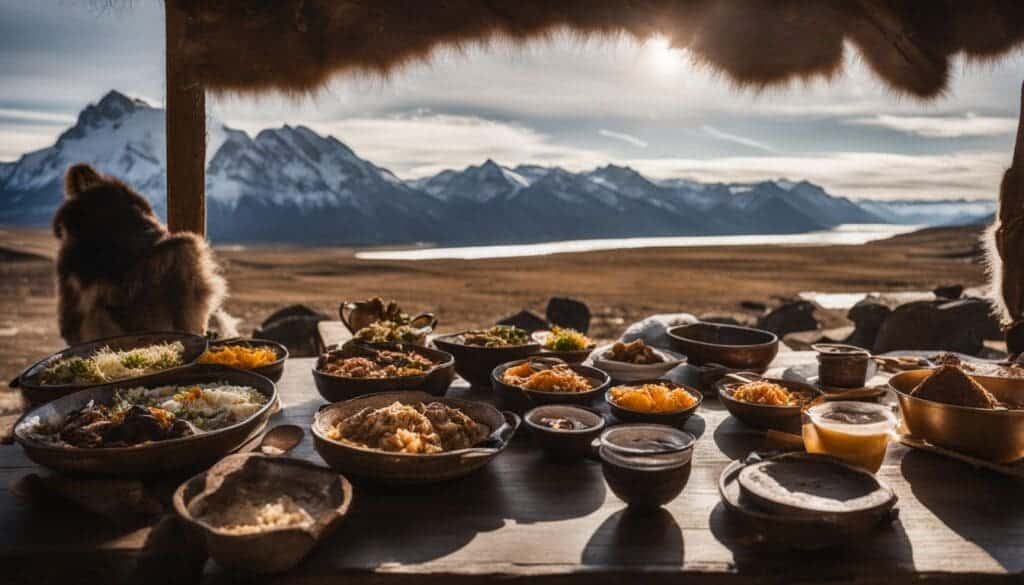
The harsh realities of the Arctic climate directly shaped these sharing traditions. Limited natural resources, extreme weather conditions, and the inherent dangers of subsistence hunting meant that no single individual or family could reliably secure enough food on their own. A successful hunt, especially of large animals like bowhead whales or caribou herds, yielded far more than one family could consume before spoilage, necessitating immediate and systematic distribution.
This environmental imperative fostered a deep sense of interdependence. The hunter who provided today might be in need tomorrow, and the community’s collective welfare depended on a robust network of mutual support. This created a powerful incentive for sharing, transforming it from an act of charity into a fundamental aspect of daily life and survival.
The Role of the Hunter: Provider and Steward
Within this system, the hunter holds a position of immense respect and responsibility. A skilled hunter is not only admired for their prowess but also for their commitment to the community. Their responsibility extends far beyond the kill itself; it encompasses the meticulous and equitable distribution of the meat and other valuable parts.
Traditional Food Sources: Sustaining Life in the Arctic
The traditional Inuit diet, often referred to as ‘country food’ (niqituinnaq), is incredibly rich in nutrients, particularly protein and healthy fats. Key traditional foods include:
- Marine Mammals: Seals (ringed, bearded, harp), walrus, various species of whales (narwhal, beluga, bowhead).
- Land Animals: Caribou, muskox, polar bear.
- Fish: Arctic char, cod, salmon.
- Birds: Migratory birds and their eggs.
- Plants: Limited berries, roots, and seaweed collected seasonally.
The fat, or uqsuq (blubber), from marine mammals is particularly vital, providing essential energy, warmth, and fat-soluble vitamins in a diet with limited plant-based options.
The Intricate System of Distribution: Who Gets What?
- Need: Families with many children, elders, or those who have recently had less successful hunts often receive priority.
- Relationship: Close kin, hunting partners, and those who have previously shared are remembered.
- Contribution: Individuals who participated in the hunt or assisted with processing might receive specific cuts.
- Prestige: Certain cuts might be given to respected elders or community leaders as a sign of deference.
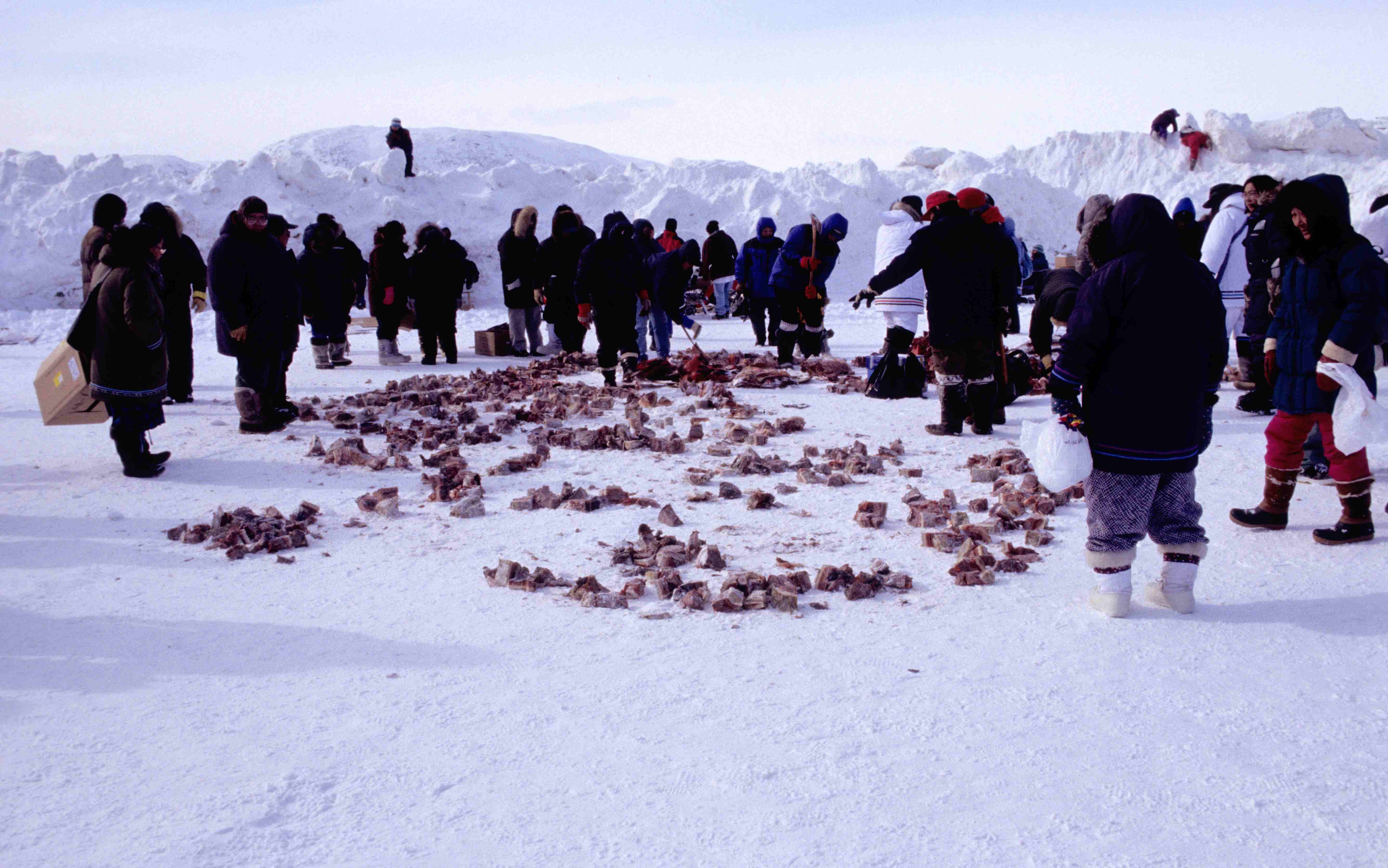
The process often involves the hunter’s wife or other respected women in the community, who possess extensive knowledge of traditional cutting techniques and distribution protocols. They ensure fairness and adherence to established customs.
Naluaq and Other Specialized Cuts
Specific parts of an animal hold particular significance. For instance, the skin and blubber (naluaq) of a seal are highly prized. The liver, heart, and kidneys are often consumed immediately after a hunt, both for their nutritional value and as a gesture of appreciation for the animal. Certain cuts might be reserved for the hunter’s immediate family, while others are designated for wider distribution. This intricate knowledge of animal anatomy and cultural protocols ensures maximum utilization and equitable sharing.
Community Feasts and Celebrations
Shared food is also central to community gatherings, feasts, and celebrations. These events are not just about eating; they are powerful opportunities to strengthen social bonds, transmit cultural knowledge, share stories, and reinforce the collective identity. A large whale harvest, for example, often leads to a community-wide feast (maktak feast), where the sharing of meat and blubber becomes a deeply symbolic act of unity and gratitude.
Modern Challenges to Traditional Sharing Practices
Inuit food sharing practices, while enduring, face significant modern challenges. The introduction of a wage economy, the increasing availability of store-bought food, and the legacy of colonialism (including residential schools that disrupted traditional knowledge transfer) have all impacted these customs. Economic pressures often force individuals to seek wage employment, reducing time available for traditional hunting.
The high cost of imported food in remote Arctic communities means that ‘country food’ remains crucial for nutrition and economic stability. However, the balance between traditional practices and modern life is a constant negotiation.
Climate Change and Its Effects on Hunting and Sharing
Perhaps the most pressing modern threat is climate change. Unpredictable weather patterns, rapidly melting sea ice, and changes in animal migration routes and populations directly impact the ability of Inuit hunters to safely and successfully harvest food. This not only threatens food security but also the intergenerational transfer of traditional knowledge and the very foundation of food sharing systems.
Revitalization Efforts: Preserving a Vital Heritage
These efforts recognize that food sharing is not merely about food; it’s about cultural continuity, community resilience, and the well-being of future generations.
People Also Ask: How do the Inuit share food?
Inuit share food through a highly organized, community-driven system based on mutual aid, respect, and established cultural protocols. After a successful hunt, the animal is often processed communally, and specific cuts are distributed according to need, relationship, and contribution to the hunt. The hunter’s family typically receives prime cuts, but a substantial portion is always shared with elders, other families, and those in need, ensuring everyone benefits from the collective effort.
People Also Ask: Why is food sharing important to the Inuit?
Food sharing is important to the Inuit for multiple profound reasons: it ensures physical survival in a harsh environment, fosters strong social cohesion and community bonds, reinforces cultural identity and values like generosity and humility, serves as a mechanism for economic distribution, and strengthens intergenerational connections through the transfer of traditional knowledge and skills.
People Also Ask: What is the main food of the Inuit?
The main food of the Inuit, often called ‘country food’ (niqituinnaq), primarily consists of meat and fat from marine mammals such as seals, walrus, and whales, and land animals like caribou and muskox. Fish (e.g., Arctic char) and migratory birds also form significant parts of their diet. This diet is rich in protein, essential fats, and vital nutrients, perfectly adapted to their Arctic environment.
People Also Ask: Do Inuit still hunt?
Yes, Inuit still hunt. Hunting remains a vital and cherished practice for many Inuit, providing not only essential nutrition but also reinforcing cultural identity, traditional knowledge, and community bonds. While modern challenges like climate change and economic shifts impact hunting practices, it continues to be a central part of life in many Arctic communities, often integrating modern tools with traditional methods.
The Concept of Reciprocity (Pitsialak)
Underlying the act of sharing is the powerful concept of reciprocity, often encapsulated by the idea of Pitsialak—doing good things for others. Sharing is not seen as charity, but as an investment in a network of mutual support. A hunter who shares generously knows that in times of need, others will reciprocate. This creates a robust social safety net, ensuring that no one in the community is left to suffer alone.
This reciprocal relationship extends beyond human interactions to the spiritual realm, where respect shown to animals is believed to ensure their continued return in future hunts.
Respect for Animals: The Spiritual Dimension of Hunting
The Inuit worldview imbues animals with spirits and sees them as sentient beings who offer themselves to respectful hunters. Hunting is therefore not merely a utilitarian act but a spiritual exchange. Rituals and practices demonstrate profound respect for the hunted animal, ensuring that its life is taken honorably and that its bounty is shared widely, maximizing its contribution to the community.
This spiritual connection underscores the sacredness of the food and the responsibility that comes with its harvest and distribution.
The Intergenerational Transfer of Knowledge
The intricate knowledge required for hunting, processing, and sharing is passed down through generations. Elders and experienced hunters teach youth not only the practical skills of tracking, navigation, and animal behavior but also the ethical framework of humility, patience, and respect that governs these practices. This intergenerational learning is crucial for maintaining cultural continuity and ensuring the viability of these traditions.
The Role of Technology in Modern Hunting and Sharing
While rooted in ancient traditions, Inuit hunting and sharing practices have also adapted to incorporate modern technology. Snowmobiles, rifles, GPS devices, and even satellite phones are now common tools that enhance safety and efficiency. These technologies are not seen as replacing traditional methods but rather as augmenting them, allowing hunters to continue their vital role in new ways.
Food Safety and Traditional Preservation Methods
Inuit have developed sophisticated methods for preserving food, crucial for ensuring availability throughout the year, especially during lean seasons. Techniques include drying (e.g., dried fish, caribou), freezing (naturally using the Arctic climate), and fermentation (e.g., kiviak, a traditional fermented bird dish). These methods are not only effective but also contribute unique flavors and nutritional profiles to the traditional diet.
Impact on Health and Nutrition
The nutritional superiority of country food compared to many processed, store-bought options is well-documented. Rich in omega-3 fatty acids, vitamins, and minerals, country food provides vital health benefits. The continued reliance on country food helps combat modern health challenges like diabetes and heart disease, which are often exacerbated by the adoption of Western diets high in refined sugars and unhealthy fats.
The Social Fabric: Beyond Immediate Family
The reach of Inuit food sharing extends far beyond the immediate family unit. It encompasses extended family, close friends, and indeed, anyone in the community who expresses a need. This broad network of distribution strengthens the entire social fabric, weaving individuals into a tightly knit community where everyone is valued and supported.
This collective approach to food security stands as a testament to their enduring communal spirit.
Economic Implications of Food Sharing
In an economic sense, food sharing acts as a powerful form of traditional social welfare. It reduces reliance on expensive imported foods, which can be prohibitively costly in remote Arctic communities. By supplementing diets with country food, families can allocate their limited financial resources to other necessities, contributing to overall household and community stability.
The Future of Inuit Food Sharing: Adaptation and Resilience
The future of Inuit food sharing will undoubtedly involve continued adaptation. Communities are finding innovative ways to blend traditional practices with modern realities, ensuring that core values of generosity, community, and respect for the land and animals endure. This resilience is a hallmark of Inuit culture.
Conclusion: A Timeless Practice for a Sustainable Future
Inuit food sharing practices represent a timeless testament to human ingenuity, cultural resilience, and profound respect for the natural world. More than just a means of survival, these traditions embody a holistic worldview that prioritizes community well-being, ecological stewardship, and intergenerational knowledge. As the Arctic continues to change, the lessons embedded in Inuit food sharing—of interdependence, generosity, and sustainable living—offer invaluable insights for all societies grappling with questions of food security, social equity, and environmental harmony. It is a powerful legacy that continues to nourish both body and spirit.


