
The Inuit Contemporary Art Movement represents a dynamic evolution of artistic expression rooted in the rich cultural heritage of the Inuit people. Traditionally, Inuit art was closely tied to utilitarian objects and spiritual practices, often crafted from materials sourced directly from the Arctic environment, such as bone, ivory, and stone. Today, while honoring these ancestral techniques and themes, Inuit artists are pushing boundaries, incorporating modern materials, and exploring diverse subjects that reflect their experiences in a rapidly changing world. This movement is not merely a continuation of the past; it is a powerful statement of cultural survival, adaptation, and self-determination.
This blog post delves into the heart of the Inuit Contemporary Art Movement, examining its historical context, key artists, prevalent themes, and its significance in shaping contemporary Indigenous identity. We will explore how Inuit artists are navigating the complexities of globalization, climate change, and cultural preservation through their art.
A Legacy of Art and Culture: Historical Roots
Inuit art has a long and storied history, stretching back millennia. Archaeological evidence reveals intricate carvings and engravings on tools and ornaments, demonstrating the artistic sensibilities of the Inuit ancestors. These early forms of art were deeply intertwined with daily life, serving both practical and spiritual purposes. For example, intricately carved hunting tools were believed to bring good fortune, while shamanistic masks and amulets played a crucial role in ritual practices.
The arrival of European traders and missionaries in the Arctic regions had a profound impact on Inuit art. Initially, trade provided access to new materials, such as metal tools, which facilitated more intricate carving. However, it also led to the commodification of Inuit art, as traders sought souvenirs and curiosities to bring back to Europe. This period saw the emergence of ‘airport art,’ mass-produced carvings catering to tourist demand, often lacking the depth and authenticity of traditional Inuit art.
Despite the challenges posed by colonialism and cultural assimilation, Inuit artists persevered, maintaining their artistic traditions and adapting them to new contexts. The mid-20th century witnessed a resurgence of Inuit art, fueled by government initiatives and the establishment of art cooperatives in various Inuit communities. These cooperatives provided artists with access to training, materials, and markets, enabling them to pursue their artistic endeavors professionally.
The Rise of Printmaking
One of the most significant developments in the history of Inuit art was the introduction of printmaking in the late 1950s. James Houston, an artist and administrator working in the Arctic, recognized the potential of printmaking as a means of artistic expression and economic empowerment for Inuit artists. He introduced the techniques of stonecut and stencil printing to the community of Cape Dorset (Kinngait), Nunavut, which soon became a renowned center for Inuit printmaking.
The Cape Dorset print collection, released annually since 1959, showcases the talents of Inuit artists and provides a window into their world. These prints depict a wide range of subjects, including traditional Inuit life, mythology, wildlife, and landscapes. The success of the Cape Dorset print program led to the establishment of other printmaking studios in Inuit communities across the Arctic, further solidifying the importance of printmaking in Inuit contemporary art.
Defining Inuit Contemporary Art: Themes and Mediums
Inuit Contemporary Art is characterized by its diverse range of themes and mediums, reflecting the evolving experiences and perspectives of Inuit artists. While traditional themes such as hunting, fishing, and family life remain prevalent, contemporary artists are also addressing issues such as climate change, cultural identity, and social justice.
- Connection to the Land: The Arctic landscape is a constant source of inspiration for Inuit artists, who depict its beauty, harshness, and spiritual significance.
- Cultural Identity: Inuit art serves as a powerful means of preserving and celebrating Inuit culture, language, and traditions.
- Mythology and Spirituality: Traditional Inuit myths and legends continue to inspire contemporary artists, who reinterpret these stories in new and innovative ways.
- Social and Political Issues: Many Inuit artists use their art to address contemporary issues such as climate change, resource extraction, and the impact of colonialism on Inuit communities.
Inuit contemporary artists work in a variety of mediums, including:
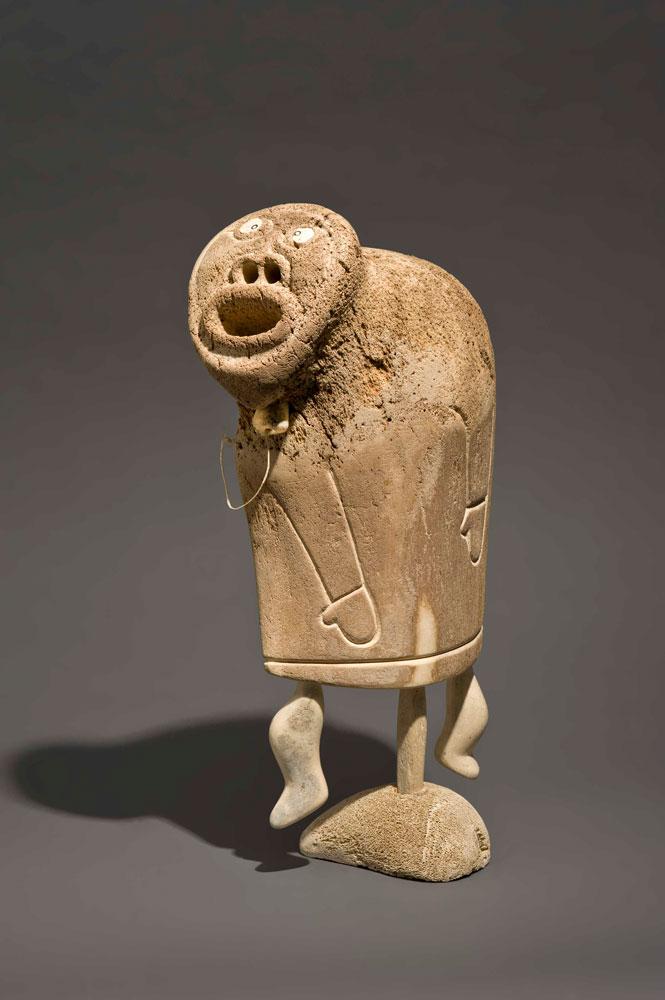
- Sculpture: Stone, bone, ivory, and antler remain popular materials for sculpture, although artists are also experimenting with new materials such as metal and glass.
- Printmaking: Stonecut, stencil, lithography, and etching are all used to create stunning prints that capture the essence of Inuit life and culture.
- Drawing and Painting: Inuit artists are increasingly exploring drawing and painting as mediums of expression, using a variety of techniques and styles.
- Textile Art: Sewing, embroidery, and weaving are used to create intricate textile art that often incorporates traditional Inuit motifs and designs.
- Digital Art: Some Inuit artists are embracing digital technologies to create innovative and interactive art experiences.
Prominent Inuit Contemporary Artists
Kenojuak Ashevak (1927-2013)
Considered one of the most important figures in Inuit art, Kenojuak Ashevak was a renowned printmaker whose vibrant and imaginative works captured the beauty and spirit of the Arctic. Her iconic image, ‘The Enchanted Owl,’ is one of the most recognizable works of Inuit art.
Annie Pootoogook (1969-2016)
Annie Pootoogook was a groundbreaking artist whose drawings offered a candid and often humorous glimpse into contemporary Inuit life. Her work challenged stereotypes and provided a unique perspective on the challenges and triumphs of living in the modern Arctic.
Shuvinai Ashoona (born 1961)
Shuvinai Ashoona is a contemporary artist known for her large-scale drawings that explore themes of identity, spirituality, and the relationship between humans and the environment. Her intricate and surreal compositions invite viewers to contemplate the complexities of the Inuit world.
Zacharias Kunuk (born 1957)
While primarily known as a filmmaker, Zacharias Kunuk’s work extends to the realm of visual art. His films, such as ‘Atanarjuat: The Fast Runner,’ are deeply rooted in Inuit culture and storytelling, and his artistic vision has had a profound impact on the representation of Inuit people in the media.
Inuk Silis Høegh (born 1972)
Inuk Silis Høegh is a Greenlandic artist working with video and installation art. His works often reflect on postcolonial identity and culture, and he represented Denmark at the Venice Biennale in 2022.
The Significance of Inuit Contemporary Art
Inuit Contemporary Art plays a vital role in preserving and promoting Inuit culture, language, and identity. It provides a platform for Inuit artists to share their stories, perspectives, and experiences with the world, challenging stereotypes and fostering cross-cultural understanding. Furthermore, it serves as a powerful tool for social and political commentary, raising awareness about the challenges facing Inuit communities and advocating for their rights.
Addressing Climate Change
Climate change is having a disproportionate impact on the Arctic, threatening the traditional way of life of Inuit communities. Many Inuit artists are using their art to raise awareness about the devastating effects of climate change on the Arctic environment and to advocate for climate action.
Promoting Cultural Preservation
Inuit art is a powerful means of preserving and promoting Inuit culture, language, and traditions. By incorporating traditional motifs, stories, and techniques into their work, Inuit artists are ensuring that their cultural heritage is passed down to future generations.
Empowering Inuit Communities
The Inuit Contemporary Art Movement has played a significant role in empowering Inuit communities by providing artists with economic opportunities and a platform for self-expression. Art cooperatives and other organizations support Inuit artists by providing them with access to training, materials, and markets.
Where to Experience Inuit Contemporary Art
- Winnipeg Art Gallery (WAG)-Qaumajuq, Winnipeg, Manitoba, Canada: Home to the world’s largest public collection of contemporary Inuit art.
- Art Gallery of Ontario, Toronto, Ontario, Canada: Features a significant collection of Inuit art, including works by Kenojuak Ashevak and Annie Pootoogook.
- The Museum of Inuit Art, San Francisco, California, USA: Dedicated to showcasing the art and culture of the Inuit people.
- Feheley Fine Arts, Toronto, Ontario, Canada: A leading commercial gallery specializing in Inuit art.
Conclusion: A Vibrant Tapestry of Tradition and Innovation
The Inuit Contemporary Art Movement is a testament to the resilience, creativity, and cultural vitality of the Inuit people. By blending traditional techniques and themes with modern materials and perspectives, Inuit artists are creating a vibrant and dynamic art form that reflects their experiences in a rapidly changing world. This art serves as a powerful voice for cultural preservation, social justice, and environmental awareness, ensuring that the stories and perspectives of the Inuit people are heard and valued on a global stage. As we continue to engage with and appreciate Inuit contemporary art, we gain a deeper understanding of the richness and complexity of Inuit culture and the challenges and triumphs of the Inuit people.
This movement not only enriches the art world but also fosters intercultural dialogue and understanding, contributing to a more inclusive and equitable society. By supporting Inuit artists and their work, we can help ensure that their voices continue to resonate for generations to come.


